
Florida Electrical Safety Guide
Single-Strand Aluminum Branch Wiring: What Homebuyers Should Know
Older solid aluminum branch-circuit wiring can develop hazardous connections. Identification and repair should be handled by qualified professionals—not through do-it-yourself panel or device work.
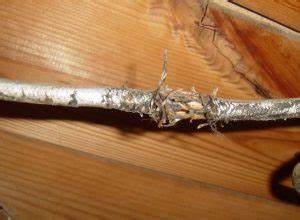
Single-strand aluminum conductors were used in many 15- and 20-amp residential branch circuits, especially in homes built or renovated during the mid-1960s through early 1970s. The principal concern is connection failure at receptacles, switches, splices, and panel terminations—not simply the presence of aluminum as a conductor material.
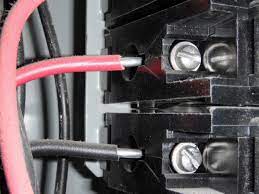
Why Can Older Aluminum Connections Overheat?
Aluminum and copper behave differently as temperature and load change. Poorly made or incompatible terminations can loosen or develop increased resistance. Resistance produces heat, and repeated heating can further damage a connection. Improper devices, connectors, workmanship, corrosion, and circuit loading can increase the risk.
Warning Signs That Need Prompt Attention
- Warm or discolored receptacle and switch cover plates.
- Flickering lights or intermittent circuits.
- A burning-plastic odor or visible smoke.
- Buzzing, arcing, or sparking at devices.
- Repeated loss of power without a clear breaker trip.
If there is smoke, active arcing, or a burning odor, avoid touching the affected equipment, leave the area when necessary, and contact emergency services or a qualified electrician as appropriate.
How Is Aluminum Branch Wiring Identified?
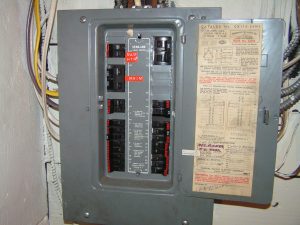
Accessible cable jackets may contain markings such as “AL” or “Aluminum.” A qualified inspector or electrician may also identify conductor material at accessible locations without unsafe dismantling. Homeowners should not remove panel covers or pull devices from energized boxes to investigate.
What Repair Methods Does CPSC Discuss?
The U.S. Consumer Product Safety Commission’s aluminum-wiring guidance describes complete copper replacement, the COPALUM crimp method, and an AlumiConn connector method as permanent repair approaches under the conditions stated in its publication. The work requires a qualified electrician and careful treatment of every applicable connection. Ordinary twist-on connectors or casual pigtailing should not be assumed to provide an acceptable permanent repair.
What a Home Inspection Can and Cannot Determine
A home inspector may report visible aluminum branch wiring, accessible connection concerns, signs of overheating, and the need for electrician evaluation. A general inspection does not inventory every concealed conductor, remove all devices, certify a repair program, or guarantee insurability.
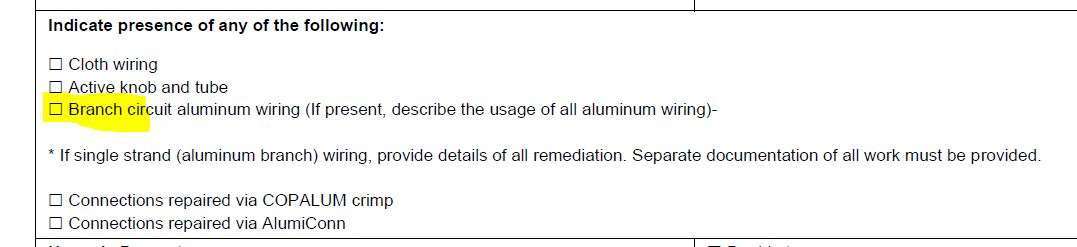
Insurance and Transaction Considerations
Some insurers may request documentation, electrician reports, permits, photographs, or evidence of an accepted repair. Requirements differ by carrier and can change. Insurance inspections involving this service are offered by GGR only in Miami-Dade, Broward, and Palm Beach Counties.
Frequently Asked Questions
Is all aluminum wiring dangerous?
No. This article addresses older single-strand aluminum branch-circuit wiring and its connections, not every aluminum conductor application. Larger aluminum service and feeder conductors remain common when properly selected and installed.
Can only the visibly damaged outlet be repaired?
A localized symptom can indicate a broader connection issue. A qualified electrician should determine the necessary scope rather than assuming one repair resolves the system.
Should buyers walk away from a home?
Not automatically. Obtain an electrician’s evaluation, define repair scope and documentation, confirm insurance requirements, and consider the findings in the transaction.
Schedule a South Florida Home Inspection
GGR Home Inspections evaluates accessible electrical conditions during a comprehensive inspection. Call 305-908-7050 or schedule online.
Continue Learning


Pingback: 4 Point Inspection, What No One Tells You. Read This Today
Pingback: Shop for a Home with these 4 Major Components in Mind - GGR Home Inspections
Pingback: Learn What 50 AMP Wire Size For a 50 Amp Breaker (2023 Guide) – GGR Home Inspections