
Electrical Safety Guide
Electrical Panels That Deserve Extra Attention During a Home Inspection
An older brand name does not diagnose an electrical system by itself. Learn which panel types commonly prompt further evaluation, what visible warning signs matter, and why a licensed electrician should make repair decisions.
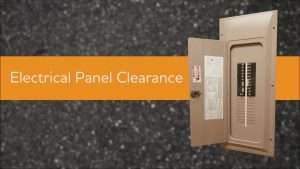
The electrical panel distributes power to the home’s branch circuits and houses protective breakers or fuses. During a home inspection, the panel is evaluated for visible safety concerns, improper modifications, deterioration, and conditions that may warrant a licensed electrician’s review.
Some older panel and breaker families receive additional attention because of documented performance concerns, obsolete components, known recalls, or difficulty obtaining compatible replacement parts. However, the label on the cabinet is only one part of the evaluation. The exact equipment, condition, installation, modifications, and local insurance requirements all matter.
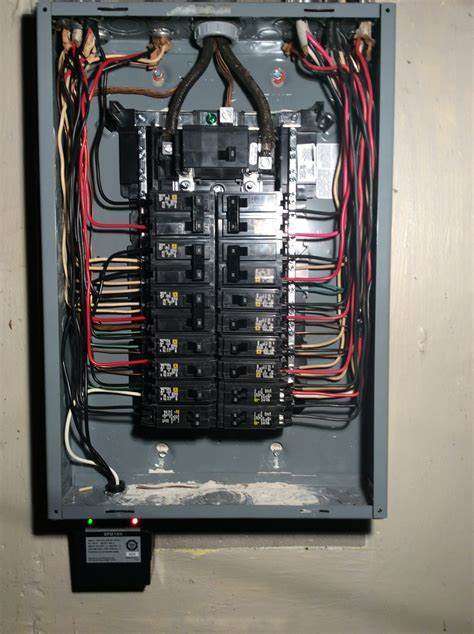
What Makes an Electrical Panel a Concern?
A panel is not unsafe solely because it is old, and a newer panel is not automatically free of defects. Conditions that commonly lead to further evaluation include:
- Evidence of overheating, arcing, scorching, melted insulation, or a burning odor.
- Loose, damaged, corroded, or improperly terminated conductors.
- Breakers that appear incompatible with the panel’s labeling.
- Multiple conductors under a terminal not listed for that use.
- Missing covers, open knockouts, damaged dead fronts, or exposed energized components.
- Improper neutral and grounding connections.
- Water intrusion, heavy corrosion, pest activity, or physical damage.
- Insufficient capacity or modifications that need professional assessment.
The Electrical Safety Foundation International advises calling a qualified electrician when warning signs such as frequent tripping, flickering lights, buzzing, warm or discolored devices, burning odors, sparks, or shocks occur.
Federal Pacific Electric Stab-Lok
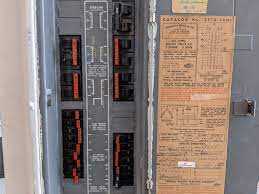
Federal Pacific Electric Stab-Lok panels were installed in many older homes. The U.S. Consumer Product Safety Commission reported that testing confirmed some FPE breakers failed certain UL calibration requirements. The CPSC closed its investigation in 1983 without determining that the breakers presented a serious risk of injury and cautions readers to interpret that outcome carefully.
Because of the equipment’s history and the limits of a visual inspection, many inspectors recommend evaluation by a licensed electrician familiar with FPE Stab-Lok systems. The electrician can identify the exact equipment and advise whether replacement or other action is appropriate.
Zinsco and Sylvania-Zinsco
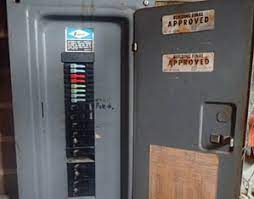
Zinsco panels and related Sylvania-Zinsco equipment are frequently flagged in older homes. Concerns reported by electrical professionals include breaker-to-bus connection damage, overheating, breakers that become difficult to operate, and limited availability of original compatible components.
Brand identification can be complicated because labels, covers, and replacement breakers may differ. Do not remove a panel cover or touch components to investigate it yourself. A licensed electrician should confirm the equipment and evaluate its condition.
Pushmatic Panels
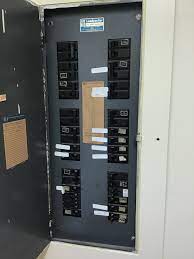
Bulldog and ITE Pushmatic equipment is now old and may present practical concerns involving serviceability, replacement components, labeling, and the condition of the breaker mechanism. The presence of a Pushmatic panel does not by itself prove an active defect, but its age and design justify careful review.
Challenger Equipment
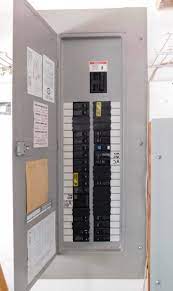
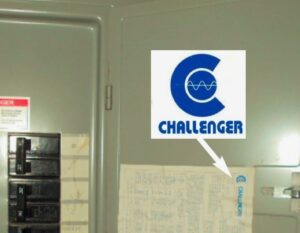
Not every Challenger product is subject to the same concern. For example, the CPSC announced a 1988 replacement program for specific Challenger HAGF-15 and HAGF-20 GFCI breakers manufactured during a limited period. That recall does not mean every Challenger-branded panel or breaker was recalled.
An electrician should compare the actual model, breaker markings, panel label, and any applicable recall information. Broad statements that every panel from a manufacturer is defective or uninsurable are not reliable.
Fuse Panels
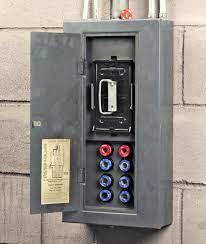
Properly designed fuses can provide overcurrent protection, so the mere presence of a fuse panel is not proof of a defect. Older fuse systems may nevertheless have limited capacity, obsolete equipment, oversized fuses, damaged sockets, amateur modifications, or insurance complications.
Never replace a fuse with a larger rating to stop repeated blowing. A blown fuse or tripped breaker can be a warning of an overload or fault. Have the cause evaluated rather than repeatedly resetting or replacing the protective device.
Insurance and Replacement Decisions
Florida insurance carriers set their own underwriting requirements. A carrier may request a 4-point inspection, decline certain equipment, require repairs, or ask for an electrician’s documentation. The home inspector records visible conditions; the insurer determines coverage eligibility.
There is no universal rule that every electrical panel must be replaced at a specific age. Replacement decisions should consider equipment condition, manufacturer documentation, compatibility, available capacity, modifications, current needs, applicable recalls, and the electrician’s professional judgment.
What Buyers Should Do
- Keep the panel area accessible for the inspection.
- Do not remove covers or touch wiring yourself.
- Read the full inspection report and photographs.
- Obtain a licensed electrician’s evaluation when recommended.
- Request permits and invoices for prior electrical work.
- Confirm insurance requirements before the inspection-period deadline.
- Obtain written estimates for significant repairs or replacement.
Frequently Asked Questions
Can a home inspector declare a panel uninsurable?
No. The inspector documents equipment and visible conditions. The insurance carrier applies its underwriting rules and decides whether it will insure the property.
Should I open my panel to identify the brand?
No. Electrical panels can contain exposed energized parts. Read visible exterior labeling only and leave cover removal and internal evaluation to qualified professionals.
Does a familiar modern brand guarantee the panel is safe?
No. Any panel can have loose connections, incompatible breakers, overheating, corrosion, damage, or improper modifications. Condition and installation must be evaluated along with the brand and model.
What should I do if I smell burning or see sparks?
Treat those as urgent warning signs. Avoid touching the equipment, move away from the hazard, and contact emergency services or a licensed electrician as appropriate for the situation.
Schedule a South Florida Home Inspection
GGR Home Inspections evaluates visible electrical components as part of a comprehensive buyer inspection. Call 305-908-7050 or schedule online.
Continue Learning

Pingback: Federal Pacific Electrical Panel Can Be Dangerous (2023 Guide) - GGR Home Inspections