
Florida Electrical Safety Guide
GFCI Receptacle vs. GFCI Breaker: What Homebuyers Should Know
Both devices help protect people from dangerous ground-fault current, but they protect different portions of an electrical system. Here is how to recognize them, test them safely, and know when an electrician is needed.
A ground-fault circuit interrupter, or GFCI, monitors the current leaving and returning through a circuit. When it detects leakage that could be traveling through a person or another unintended path, it shuts off power quickly to reduce the risk of severe shock or electrocution.
GFCI protection can be built into a receptacle or a circuit breaker. The best choice depends on the circuit, accessibility, equipment compatibility, manufacturer instructions, and locally adopted electrical requirements.
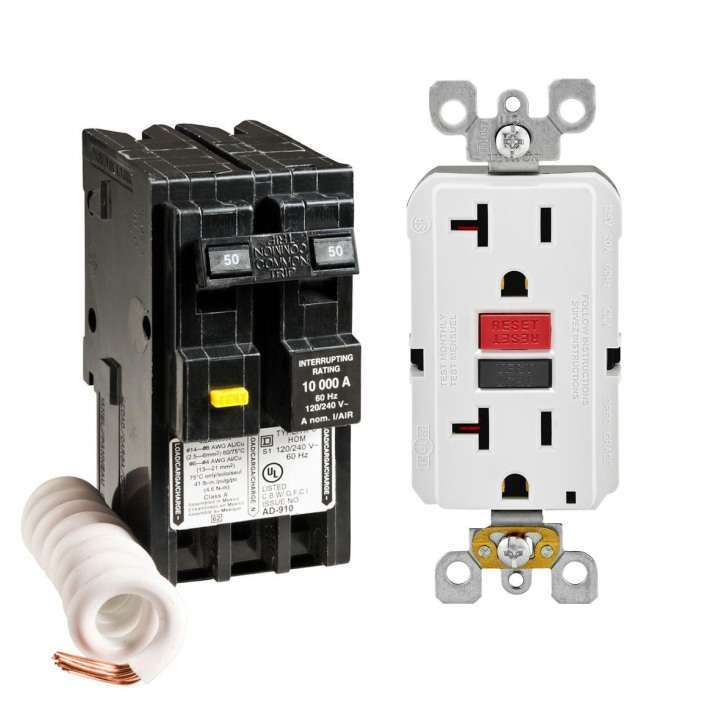
What Is a GFCI Receptacle?
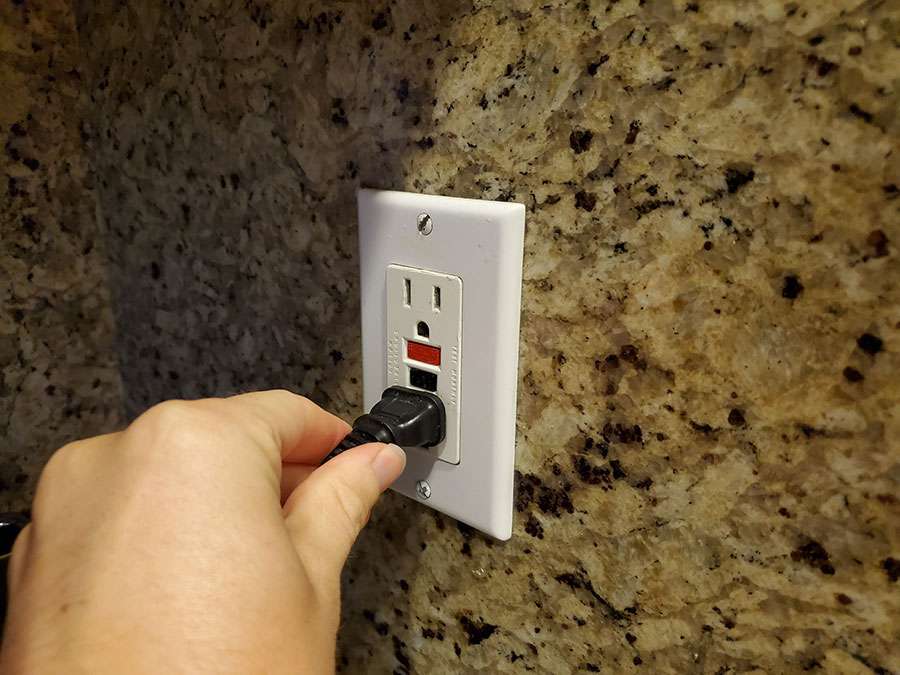
A GFCI receptacle looks similar to a standard wall outlet but has TEST and RESET controls on its face. It protects devices plugged directly into it. When wired correctly, it can also protect additional outlets connected to its load side farther downstream on the same branch circuit.
Because the reset control is at the outlet, a receptacle-type GFCI can be convenient when the device remains readily accessible. One GFCI receptacle may protect other ordinary-looking outlets, so a tripped device in a garage, bathroom, kitchen, or exterior location can sometimes interrupt power elsewhere.
What Is a GFCI Circuit Breaker?
A GFCI breaker is installed in the electrical panel and provides ground-fault protection for the entire branch circuit it serves. It also performs the normal overcurrent-protection function of a circuit breaker. When it trips, the reset is performed at the panel rather than at an individual outlet.
A breaker can be practical when several outlets or hardwired loads on the same circuit require protection. It must be listed and compatible with the electrical panel. A licensed electrician should determine whether a GFCI breaker, receptacle, or another listed solution is appropriate.
GFCI Receptacle vs. Breaker: Key Differences
- Protection area: a receptacle protects itself and may protect correctly connected downstream outlets; a breaker protects the entire branch circuit.
- Reset location: a receptacle resets at the outlet; a breaker resets at the electrical panel.
- Overcurrent protection: a GFCI breaker also protects the circuit from overloads and short circuits. A GFCI receptacle relies on the circuit breaker or fuse for that protection.
- Accessibility: the chosen test and reset location should remain readily accessible.
- Installation: either device must be correctly selected, wired, and tested. Incorrect line/load connections or incompatible equipment can leave a circuit improperly protected.
GFCI Is Not the Same as a Standard Circuit Breaker
A standard breaker primarily protects wiring from excessive current. A GFCI is intended to reduce the risk of shock from ground-fault current. One device does not automatically replace every function of the other, and GFCI protection does not prevent every possible electrical injury.
Arc-fault circuit interrupter protection addresses a different hazard involving certain arcing conditions. Where both functions are required, a listed dual-function device may be used when it is compatible with the installation.
Where Is GFCI Protection Commonly Required?
Modern electrical standards broadly require GFCI protection in locations where water, dampness, grounded surfaces, or outdoor exposure can increase shock risk. Common examples include bathrooms, kitchens, garages, laundry areas, basements, crawlspaces, outdoor receptacles, and receptacles near sinks. Current requirements may also apply to certain hardwired equipment.
The exact rule depends on the adopted code edition, local amendments, equipment, voltage, installation date, and later renovations. An older installation is not evaluated solely by comparing it with every requirement for new construction. A licensed electrician and the local authority having jurisdiction should make the final code determination.
How to Test a GFCI Safely
The U.S. Consumer Product Safety Commission and Electrical Safety Foundation International recommend testing GFCIs monthly. Follow the manufacturer’s instructions for the installed device.
Receptacle test
- Make sure the receptacle is accessible and dry.
- Plug in a small lamp or night-light and turn it on.
- Press the TEST button. The light should turn off.
- Press RESET. The light should turn on again.
Breaker test
- Follow the label and manufacturer instructions on the breaker and panel.
- Press the breaker’s TEST button. Its handle should move to the trip or off position and power to the protected circuit should stop.
- Reset the breaker as directed, commonly by moving the handle fully off and then on.
If a device does not trip, does not reset, trips repeatedly, feels unusually warm, is damaged, or has no clear label, stop using the affected outlet or circuit and contact a licensed electrician. Do not remove an outlet, panel cover, or breaker to troubleshoot it yourself.
What a Home Inspector Looks For
During a buyer home inspection, the inspector checks accessible GFCI devices and representative receptacles using normal operating controls and appropriate test equipment. The inspection may identify concerns such as:
- Missing GFCI protection in an area where it is expected.
- A device that does not trip or reset during normal testing.
- Improperly wired or unprotected downstream receptacles.
- Damaged, loose, scorched, painted, or inaccessible devices.
- Repeated tripping or evidence of moisture exposure.
- An electrical panel or breaker that is unsafe or inaccessible.
A home inspection is a visual, noninvasive evaluation. It does not include dismantling electrical devices, tracing concealed wiring, or certifying full code compliance. Conditions that require diagnosis or repair should be referred to a licensed electrician.
Frequently Asked Questions
Does a GFCI receptacle protect every outlet on the circuit?
Not automatically. It protects itself and can protect downstream outlets only when they are correctly connected to its load terminals. Testing is necessary to determine which outlets lose power when the device trips.
Can I replace a regular outlet with a GFCI myself?
GFCI installation involves energized electrical systems, correct line/load identification, grounding considerations, box conditions, device ratings, and required testing. GGR Home Inspections recommends installation and evaluation by a licensed electrician.
Why does my bathroom outlet have no power?
It may be protected by a tripped GFCI located in another bathroom, the garage, the electrical panel, or another part of the circuit. If the correct reset point is not obvious or the device trips again, contact an electrician rather than repeatedly resetting it.
Should I replace a GFCI just because it is old?
Age alone does not establish a universal replacement date. Replace a device when it fails its prescribed test, is damaged, is recalled, is incompatible, or a qualified electrician recommends replacement. Follow the manufacturer’s guidance.
Schedule a South Florida Home Inspection
GGR Home Inspections evaluates accessible electrical safety components as part of a comprehensive home inspection. Call 305-908-7050 or schedule online.
Continue Learning

Pingback: Safety First: Why Knowing Your HVAC Circuit Breaker Matters - GGR Home Inspections
Pingback: Learn What 50 AMP Wire Size For a 50 Amp Breaker (2023 Guide) – GGR Home Inspections