
Open-Ground Outlets: Risks, Testing, and Safe Repairs
An open-ground reading means the receptacle grounding path is missing, disconnected, damaged, or not functioning as expected.
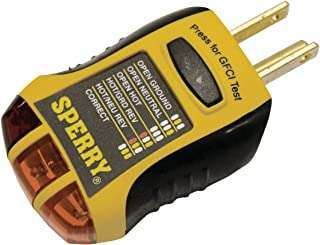
The equipment grounding path helps carry fault current so protective devices can operate. A three-slot receptacle does not prove that grounding is present, and a plug-in tester provides only limited information.
What open ground means
The grounding conductor may be absent in older wiring, loose at the receptacle, interrupted upstream, or improperly connected. Metal raceway may serve as a grounding path only when the complete system is intact and approved.
A bootleg connection between neutral and ground can fool simple testers and create a dangerous condition.
Why grounding matters
Grounding supports fault clearing and helps protect metal equipment enclosures. Sensitive electronics and surge-protection devices may also depend on a proper grounding path.
The absence of grounding does not always stop an appliance from operating, which is why the problem can go unnoticed.
GFCI is not a grounding conductor
A GFCI can provide shock protection on an ungrounded circuit when installed and labeled correctly, but it does not create an equipment ground.
Equipment requiring grounding or surge protection may still need rewiring or another approved solution.
Use an electrician for diagnosis
An electrician can test continuity, polarity, box grounding, upstream connections, circuit configuration, and permitted repair options.
Repairs may involve reconnecting conductors, replacing damaged wiring, installing GFCI protection, or rewiring the circuit.
Warning signs to address
- Three-slot outlet with open-ground reading
- Reversed polarity or inconsistent tests
- Two-prong wiring altered without labeling
- Damaged or loose receptacles
- Shocks, tingling, heat, or arcing
What a home inspection can document
A home inspector can test a representative number of accessible receptacles and document open grounds, polarity concerns, damage, or missing GFCI protection. Concealed wiring requires further evaluation.
A visual inspection cannot predict every failure or replace evaluation by the appropriately licensed specialist. It can identify visible concerns, explain why they matter, and help buyers and homeowners plan qualified follow-up.
Need a clearer picture of the property?
GGR Home Inspections provides clear, photo-documented inspections across Miami-Dade, Broward, Palm Beach, and St. Lucie counties.



Pingback: Differences Between GFCI Receptacle and GFCI Circuit Breaker? (2023 Guide) - GGR Home Inspections