Fuse Box vs. Electrical Panel: Safety, Capacity, and Upgrades
Fuses and circuit breakers both protect wiring from excessive current, but equipment condition, compatibility, capacity, and installation quality determine safety.
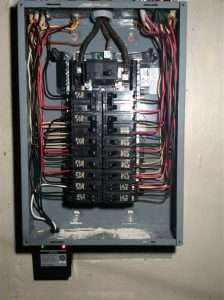
Older homes may have plug-fuse panels, cartridge fuses, modern breaker panels, or combinations created during additions. Age alone does not prove a defect, but obsolete or altered equipment may be difficult to insure, service, or expand.
How fuses and breakers protect circuits
A fuse opens by melting when current exceeds its rating. A breaker trips mechanically. Both must match the conductor and equipment they protect.
Oversized fuses, adapters, damaged breakers, or devices that do not fit the panel can leave wiring inadequately protected.
Capacity and modern loads
Older services may not support large HVAC systems, EV charging, electric ranges, pools, or additions without evaluation. Available spaces do not automatically mean capacity exists.
An electrician uses load calculations and equipment requirements to design upgrades.
Common visible concerns
Inspectors look for corrosion, overheating, missing covers, exposed openings, double tapping, improper conductors, damaged insulation, and unclear labels.
Some conditions require immediate electrician review, especially heat damage, buzzing, arcing, or water intrusion.
Planning an upgrade
Panel replacement may involve the meter, service entrance, grounding and bonding, permits, utility coordination, surge protection, and branch-circuit repairs.
Obtain a detailed proposal rather than comparing panel prices alone.
Warning signs to address
- Oversized or bypassed fuses
- Scorching or melted parts
- Rust or water entry
- Loose covers or exposed openings
- Frequent trips or blown fuses
What a home inspection can document
A home inspector visually reviews accessible electrical equipment and may remove dead-front covers when safe and within scope. Exact capacity and upgrade design require a licensed electrician.
A visual inspection cannot predict every failure or replace evaluation by the appropriately licensed specialist. It can identify visible concerns, explain why they matter, and help buyers and homeowners plan qualified follow-up.
Need a clearer picture of the property?
GGR Home Inspections provides clear, photo-documented inspections across Miami-Dade, Broward, Palm Beach, and St. Lucie counties.