
Practical homeowner guide
Sewer Pipe Lining: Benefits, Limits, and Buyer Questions
Learn how cured-in-place lining works, which defects it may address, and what documentation buyers should request.
Sewer pipe lining can rehabilitate some damaged drain and sewer lines without excavating the entire run. A resin-saturated liner is installed inside the existing pipe and cured to create a new pipe surface. Suitability depends on the pipe’s condition, shape, connections, and access.
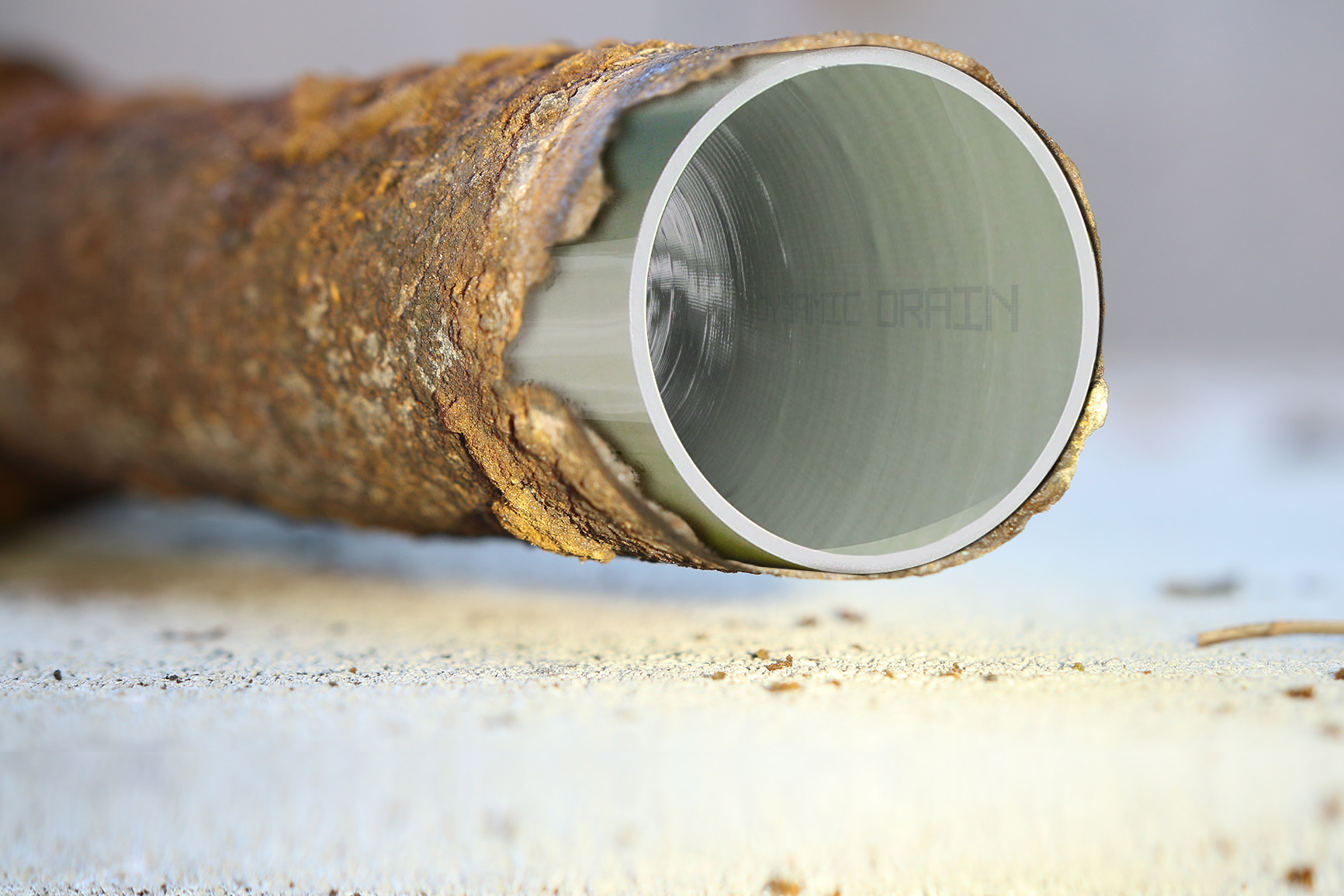
How sewer lining works
- The contractor inspects the line with a sewer camera.
- Roots, scale, grease, and debris are removed.
- The pipe is measured and prepared.
- A resin liner is pulled or inverted into place.
- The liner is expanded and cured with the specified process.
- The finished line is camera-inspected and branch connections are reopened as needed.
Common lining methods
Cured-in-place pipe
CIPP uses a flexible resin-saturated liner that hardens inside the host pipe. It can span long runs with limited excavation when the existing pipe provides a workable pathway.
Pull-in-place or sectional lining
A liner may be positioned across a specific damaged section for a localized repair.
Pipe bursting is different
Pipe bursting breaks the existing line while pulling a new pipe through the path. It is a replacement method, not an internal liner.
Potential advantages
- Less excavation and landscape disruption.
- Ability to bridge certain cracks, joints, and corrosion.
- Smoother interior surface.
- Useful access option beneath slabs, hardscape, or landscaping.
Questions buyers should ask
- Was the line camera-inspected before and after work?
- What defects were found, and were any sections excluded?
- Were permits required and obtained?
- How were branch connections reopened?
- What product, curing method, warranty, and installer credentials apply?
- Is the video and completion documentation transferable?
Inspection limits
A standard home inspection does not verify the inside of buried sewer piping. A sewer-scope specialist can document accessible portions of the lateral, but standing water, bends, offsets, and access limitations may restrict the view.
Frequently asked questions
Can roots grow through a liner?
A properly installed liner can seal many joints and defects, but unlined connections, damaged transitions, or new defects can still allow intrusion.
Does lining fix bad slope?
No. Lining follows the existing route and generally does not correct belly, back-pitch, or major alignment problems.
Is lining always cheaper than replacement?
Not always. Cost depends on access, cleaning, diameter, length, branches, damage, and local conditions. Compare documented options.
Related resources