

Practical homeowner guide
Plumbing Vent Pipes on the Roof: Purpose and Problems
Learn how roof plumbing vents protect trap seals, where leaks develop, and what buyers should look for above and below the roof.
Plumbing vent pipes extend through the roof so the drainage system can move air, protect trap seals, and release sewer gases above the building. Problems at the roof penetration or inside the vent system can lead to odors, slow drainage, leakage, and damaged finishes.
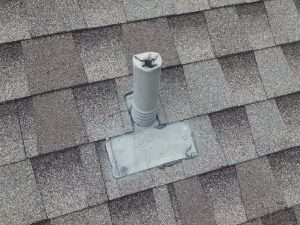
What a plumbing vent does
- Allows air into the drainage system as wastewater moves.
- Helps prevent siphoning or pressure from emptying fixture traps.
- Routes sewer gases to an exterior termination.
- Supports smoother drainage when the system is properly designed.
Common roof-vent problems
- Cracked rubber boot or deteriorated seal.
- Improper flashing integration with shingles or roofing.
- Pipe too short, damaged, or loose.
- Debris, nests, frost, or other blockage.
- Unapproved cap or screen restricting airflow.
- Water staining below the penetration.
Signs of a venting problem
Possible clues include recurring sewer odor, gurgling, slow drainage across multiple fixtures, trap-seal loss, or leakage near the roof penetration. Similar symptoms can also come from drain blockages, dry traps, damaged piping, or failed seals, so diagnosis matters.
What inspectors check
- Visible pipe condition and termination.
- Roof boot, flashing, sealant, and surrounding roofing.
- Staining in the attic or interior below the penetration.
- Obvious blockage or damage visible without dismantling.
- Drainage symptoms at accessible fixtures.
Repair considerations
Roof leakage may require a roofer, while vent blockage or drainage symptoms may require a plumber. Repeatedly applying surface sealant is not always a durable repair; the flashing must work with the roof covering and pipe movement.
Frequently asked questions
Should a plumbing vent have a cap?
Usually it remains open, but requirements and approved terminations vary. Do not add a restrictive cap without professional guidance.
Can rain enter the vent?
Small amounts of rain normally enter the drainage system. The roof flashing—not a rain cap—protects the building around the pipe.
Can a clogged vent cause slow drains?
It can contribute, but a blocked drain is often more common. A plumber should distinguish between drainage and venting problems.
Related resources

Pingback: How To Fix A Ceiling Crack Forever (2023 Guide)
Pingback: Do Cast Iron Pipes Fail 4 Point Inspections? - GGR Home Inspections
Pingback: Vent Stack vs Stack Vent; Learn What They Are (2023 Guide) – GGR Home Inspections