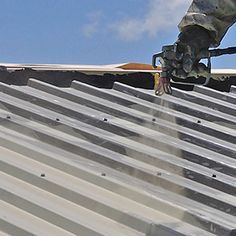
Roof Flashing: Critical Locations, Failure Signs, and Repairs
Roof flashing directs water away from joints, penetrations, walls, valleys, and edges where roofing materials alone cannot provide reliable protection.
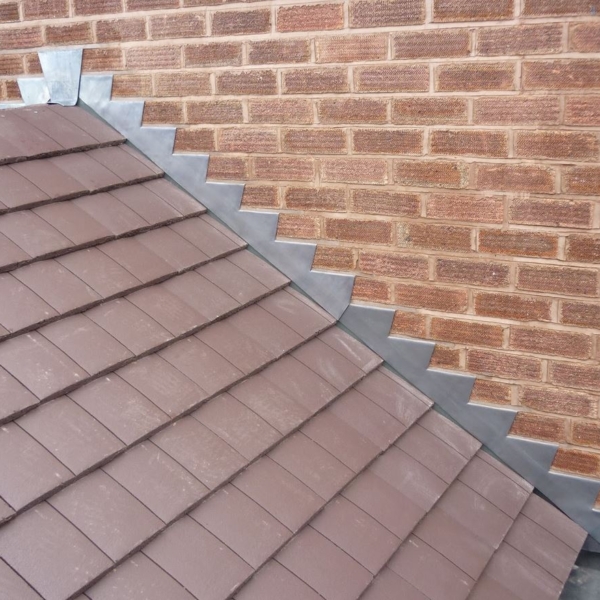
Effective flashing works with the roof covering, underlayment, sealants, fasteners, wall cladding, and drainage. Details vary by roof system and location.
Where flashing belongs
Common locations include valleys, chimneys, skylights, plumbing vents, roof-to-wall intersections, edge transitions, and equipment curbs.
Kickout flashing helps direct water away from walls and into gutters.
Why flashing fails
Corrosion, poor overlap, exposed fasteners, cracked sealant, storm movement, incompatible metals, and improper repairs can create openings.
Leak stains may appear far from the exterior defect because water travels along framing or underlayment.
Repair principles
Repairs should restore proper layering and compatible materials, not merely cover the surface with roofing cement.
Document permits, roof work, product information, and recurring leak history.
Warning signs to address
- Rust or displaced metal
- Heavy sealant patches
- Staining near roof penetrations
- Missing kickout flashing
What a home inspection can document
An inspector can document visible flashing, sealant, corrosion, and interior leakage evidence from safe access points. Concealed details require roofing evaluation.
A visual inspection cannot predict every failure or replace evaluation by the appropriately licensed specialist. It can identify visible concerns, explain why they matter, and help owners plan qualified follow-up.
Need a clearer picture of the property?
GGR Home Inspections provides clear, photo-documented inspections across Miami-Dade, Broward, Palm Beach, and St. Lucie counties.