

Florida Home Inspection Guide
What Does a Home Inspection Include?
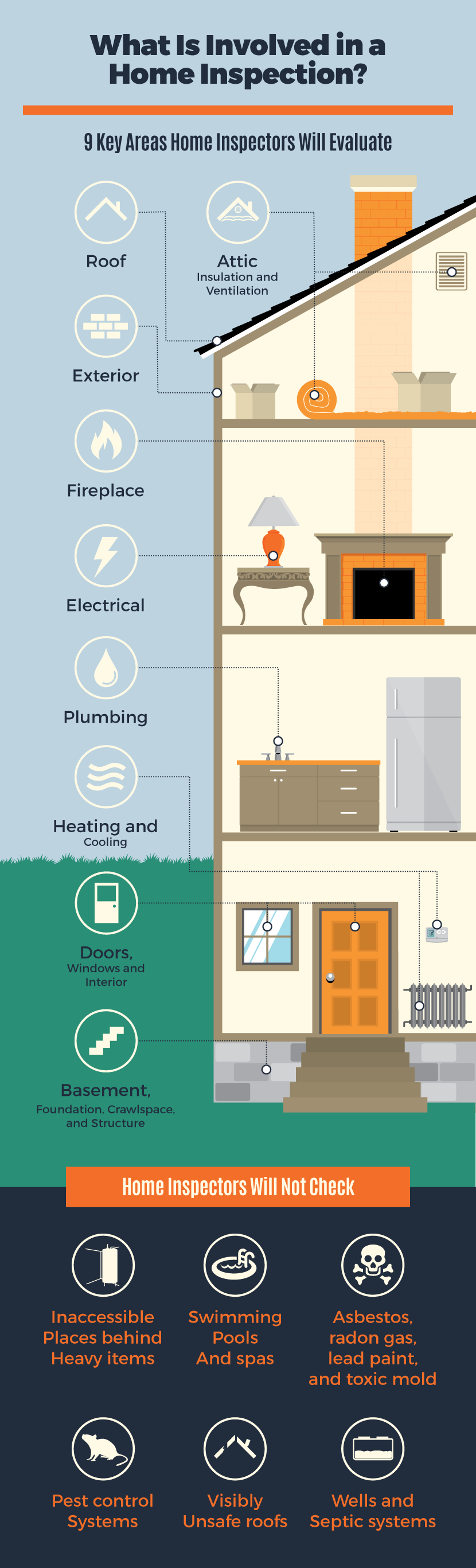
A professional home inspection is a visual evaluation of the home’s accessible systems and components. Here is what buyers can expect GGR Home Inspections to examine, what may require a separate service, and how to use the final report.
A home can look move-in ready while still having roof leaks, unsafe wiring, aging plumbing, moisture damage, or equipment near the end of its useful life. A buyer home inspection helps you understand the property before the inspection period ends, so you can make decisions with better information.
The exact scope depends on the home’s design, age, installed equipment, and what is safely accessible on inspection day. The inspection is visual and non-invasive: inspectors do not open walls, move personal belongings, or dismantle equipment. Within those limits, the following areas are typically included.
Exterior and Site Conditions
The inspection begins with the home’s exterior and visible site conditions. The inspector looks for defects that may allow water intrusion, create a safety concern, or indicate maintenance needs.
- Exterior walls, siding, stucco, trim, and visible penetrations
- Doors, windows, flashing, and exterior sealant
- Driveways, walkways, patios, porches, decks, and balconies
- Grading and drainage conditions near the structure
- Attached garages, carports, railings, and stairs
- Vegetation or site conditions visibly affecting the home
Roof Covering and Drainage
South Florida roofs face intense sun, wind-driven rain, and tropical weather. When conditions and access allow, the inspector evaluates the visible roof covering, flashings, penetrations, drainage components, and signs of deterioration or leakage.
- Shingles, tiles, metal panels, or other visible roof covering
- Roof valleys, flashing, vents, and plumbing penetrations
- Gutters, downspouts, and visible drainage concerns
- Visible evidence of prior repairs, storm damage, or active leakage
A standard home inspection is not the same as a carrier-requested roof certification inspection or a wind mitigation inspection. Those services use different forms and answer different insurance questions.
Structure and Foundation
The inspector examines visible structural components for movement, damage, deterioration, or conditions that warrant further evaluation. Depending on the property, this may include the foundation, slab, crawlspace, framing, columns, beams, and load-bearing components visible from accessible areas.
Electrical System
The electrical review focuses on visible service equipment, distribution components, fixtures, and representative devices. It can identify concerns such as damaged wiring, improper connections, missing protection, unsafe panels, or components needing repair by a qualified electrician.
- Service entrance and main disconnect
- Electrical panels, breakers, and visible conductors
- Representative outlets, switches, and lighting fixtures
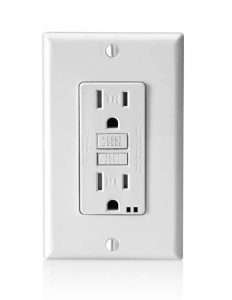
- GFCI and AFCI protection where present and accessible
- Visible grounding, bonding, and electrical safety concerns
Plumbing System
The plumbing inspection covers visible supply, drain, waste, and vent components. Fixtures are operated when normal conditions allow, and the inspector checks for leaks, drainage concerns, inadequate flow, corrosion, and visible installation defects.
- Visible water supply and distribution piping
- Sinks, toilets, tubs, showers, and accessible fixtures
- Water heater, shutoff locations, and visible connections
- Drainage performance and signs of active or previous leakage
The buried drain line cannot be fully evaluated during a visual inspection. Buyers concerned about older piping, recurring backups, or underground defects should consider a separate sewer camera inspection.
Heating, Cooling, and Ventilation
Air-conditioning is essential in South Florida. The inspector operates permanently installed heating and cooling equipment using normal controls when conditions permit. Visible equipment, condensate drainage, accessible ductwork, filters, and temperature performance are reviewed for defects or service needs.
Interior Rooms and Built-In Components
Inside the home, the inspector evaluates accessible rooms and permanently installed components. The focus is on function, safety, water intrusion, and visible damage rather than cosmetic imperfections.
- Walls, ceilings, floors, doors, and windows
- Stairs, guards, and handrails
- Cabinets, countertops, and permanently installed appliances
- Garage doors and installed safety features
- Visible signs of moisture, deterioration, or previous repairs
Attic, Insulation, and Ventilation
When safely accessible, the attic can reveal important information about the roof structure, insulation, ventilation, electrical components, and past or current moisture intrusion. Access may be limited by low clearance, stored belongings, unsafe conditions, or an opening that cannot be entered without risking damage.
What Is Not Automatically Included?
A standard home inspection does not include every possible test or specialty evaluation. Conditions hidden behind finishes, underground, or inside closed equipment cannot be confirmed through a visual inspection. The following may require separate services or specialists:
- Mold sampling and laboratory analysis
- Termite or wood-destroying organism inspection
- Radon, lead, asbestos, or other environmental testing
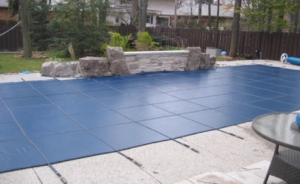
- Pool, seawall, dock, septic, well, or irrigation evaluation
- Sewer camera inspection
- Engineering, code-compliance, appraisal, or insurability decisions
If indoor-air or moisture concerns exist, ask about air quality testing. GGR can also coordinate a termite and WDO inspection when requested.
Home Inspection vs. Insurance Inspection
A full home inspection is designed to give the buyer a broad understanding of the property. A 4-point inspection focuses on the roof, electrical, plumbing, and HVAC systems for an insurance carrier, while a wind mitigation inspection documents qualifying wind-resistant features. Insurance inspection availability is limited to Miami-Dade, Broward, and Palm Beach Counties.
What Happens After the Inspection?
You receive a written report with photographs and descriptions of the inspector’s findings. Read the complete report—not only the summary—because maintenance items, limitations, and supporting details may appear throughout it. If a recommendation is unclear, ask the inspector to explain it.
The report can help you prioritize safety issues, major repairs, specialist evaluations, and routine maintenance. It does not predict every future failure or guarantee that the home will remain defect-free.
Frequently Asked Questions
How long does a home inspection take?
Timing varies with the home’s size, age, condition, systems, and accessibility. Larger or more complex properties generally require more time. Avoid choosing an inspector based only on who promises the shortest appointment.
Should the buyer attend?
When possible, attending the final portion of the inspection can help you see major findings firsthand, learn the locations of important shutoffs, and ask questions about the report.
Does a home inspection pass or fail the house?
No. A home inspection documents visible conditions and recommends action where appropriate. The buyer, with advice from qualified real-estate and trade professionals, decides how those findings affect the purchase.
Will the inspector find every defect?
No visual inspection can uncover every concealed or intermittent issue. The inspection substantially improves your understanding of the home, but it is not a warranty or guarantee.
Schedule a South Florida Home Inspection
GGR Home Inspections serves homebuyers across Miami-Dade, Broward, Palm Beach, and St. Lucie Counties. To discuss the property and select the right inspection services, call 305-908-7050 or schedule online.
Continue Learning

Pingback: My Bathroom Vents into Attic, Is That Correct? (2023 Guide) - GGR Home Inspections
Pingback: Answers to Top 20 Homeowners Insurance Questions
Pingback: home care
Pingback: The Cost of Duct Cleaning: Is it Worth the Investment? – GGR Home Inspections
Pingback: Best Moisture Meter for Home Inspectors: A Quick Guide - GGR Home Inspections