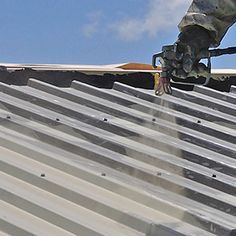
How Long Does a Metal Roof Last in Florida?
A Florida metal roof can provide long service, but panel type, coating, fasteners, salt exposure, installation, storm damage, and maintenance determine actual lifespan.
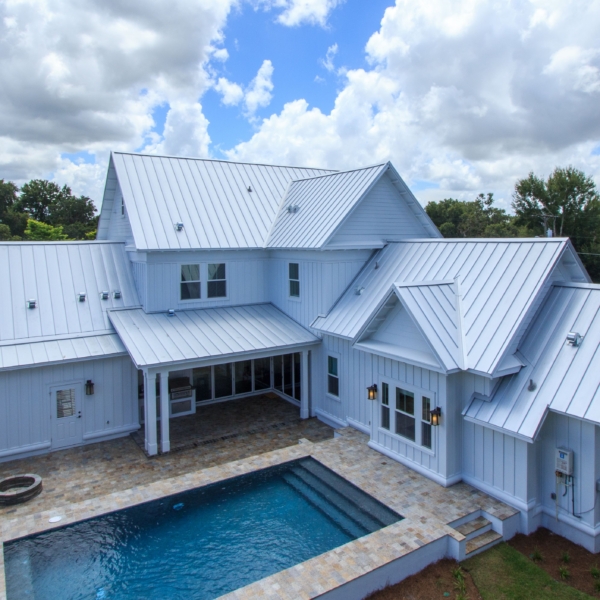
Standing-seam and exposed-fastener roofs age differently. The roof covering is only one part of a system that includes underlayment, flashings, penetrations, decking, fasteners, and drainage.
Factors that control lifespan
Material thickness, protective finish, coastal corrosion, roof slope, ventilation, workmanship, foot traffic, and storm exposure affect deterioration.
Exposed fasteners and sealants often require attention before the panels themselves reach the end of service.
Maintenance priorities
Keep debris and gutters clear, limit unnecessary roof traffic, repair loose components, and address incompatible metals or damaged coatings.
Use roofing contractors familiar with the specific panel system.
Evaluate after severe weather
Wind can loosen panels and flashings, while impact can damage seams or finishes. Interior leakage may appear far from the exterior defect.
Document repairs and permits for future buyers and insurers.
Warning signs to address
- Rust or coating failure
- Loose panels or backed-out fasteners
- Failed sealant at penetrations
- Interior staining or active leakage
What a home inspection can document
An inspector can document visible roof condition from safe access points. Remaining-life certification, engineering, and concealed damage evaluation require specialists.
A visual inspection cannot predict every failure or replace evaluation by the appropriately licensed specialist. It can identify visible concerns, explain why they matter, and help owners plan qualified follow-up.
Need a clearer picture of the property?
GGR Home Inspections provides clear, photo-documented inspections across Miami-Dade, Broward, Palm Beach, and St. Lucie counties.