Thanks for vising our blog. We hope that you learn more about electrical systems for your home or business. This guide provides tips and advice on installation, components, and maintenance.
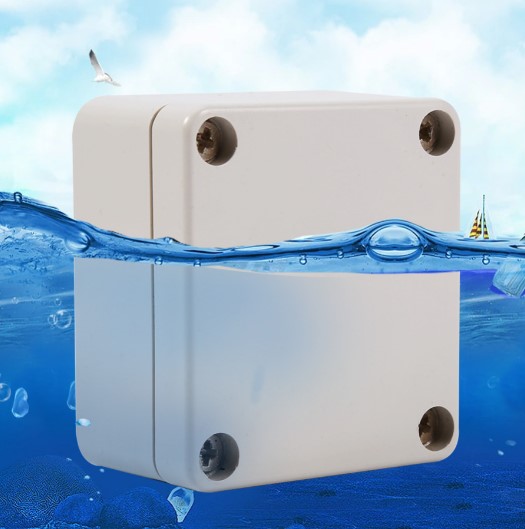
Exterior Electrical SafetyWeatherproof Electrical Boxes: Protection for Outdoor WiringOutdoor electrical boxes must protect wiring and devices from rain, irrigation, humidity, corrosion, physical damage, and insects. The box, cover, fittings, seals, receptacle protection, and installation location must work as a listed system.Quick answer: A weather-resistant cover…
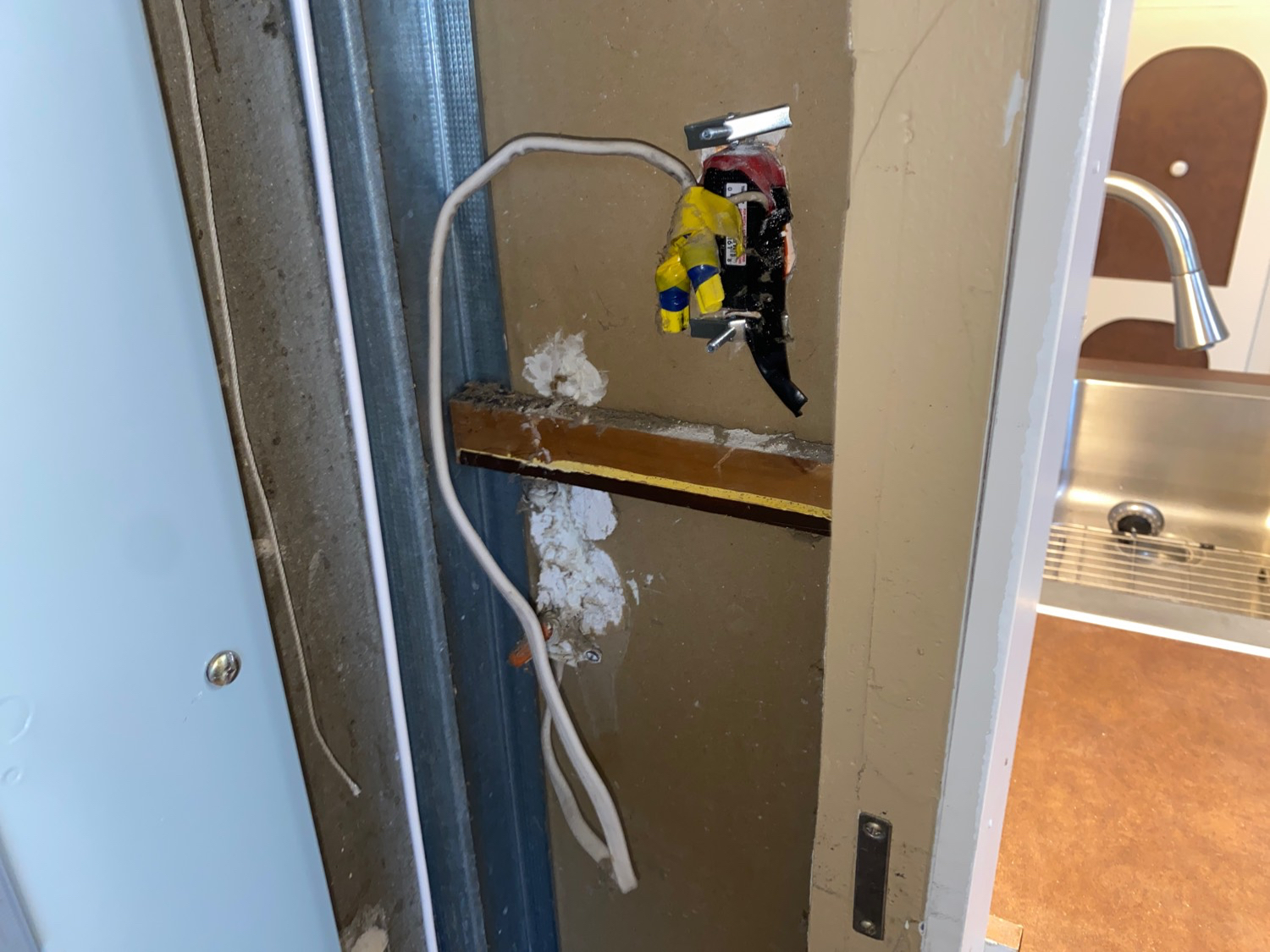
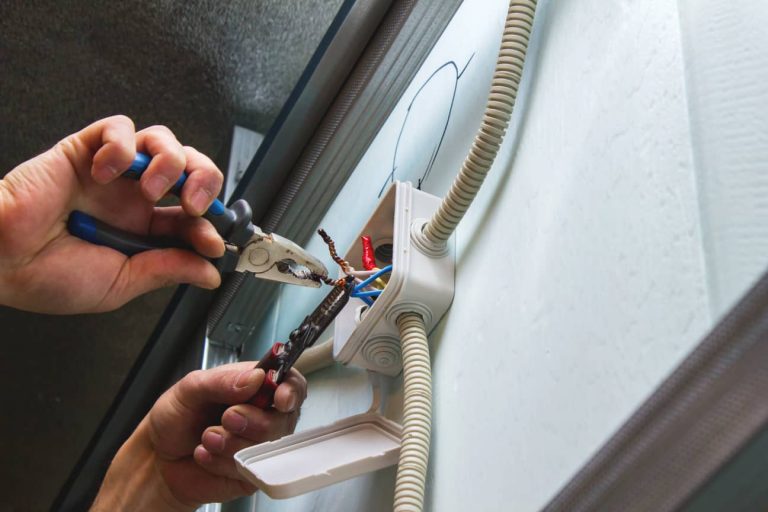
The Importance of Junction Boxes in Electrical Outlets: Signs, Risks, and Solutions Have you ever been left puzzled by a missing junction box from electrical outlets in your home? This small but essential component plays a vital role in ensuring the safety of your…
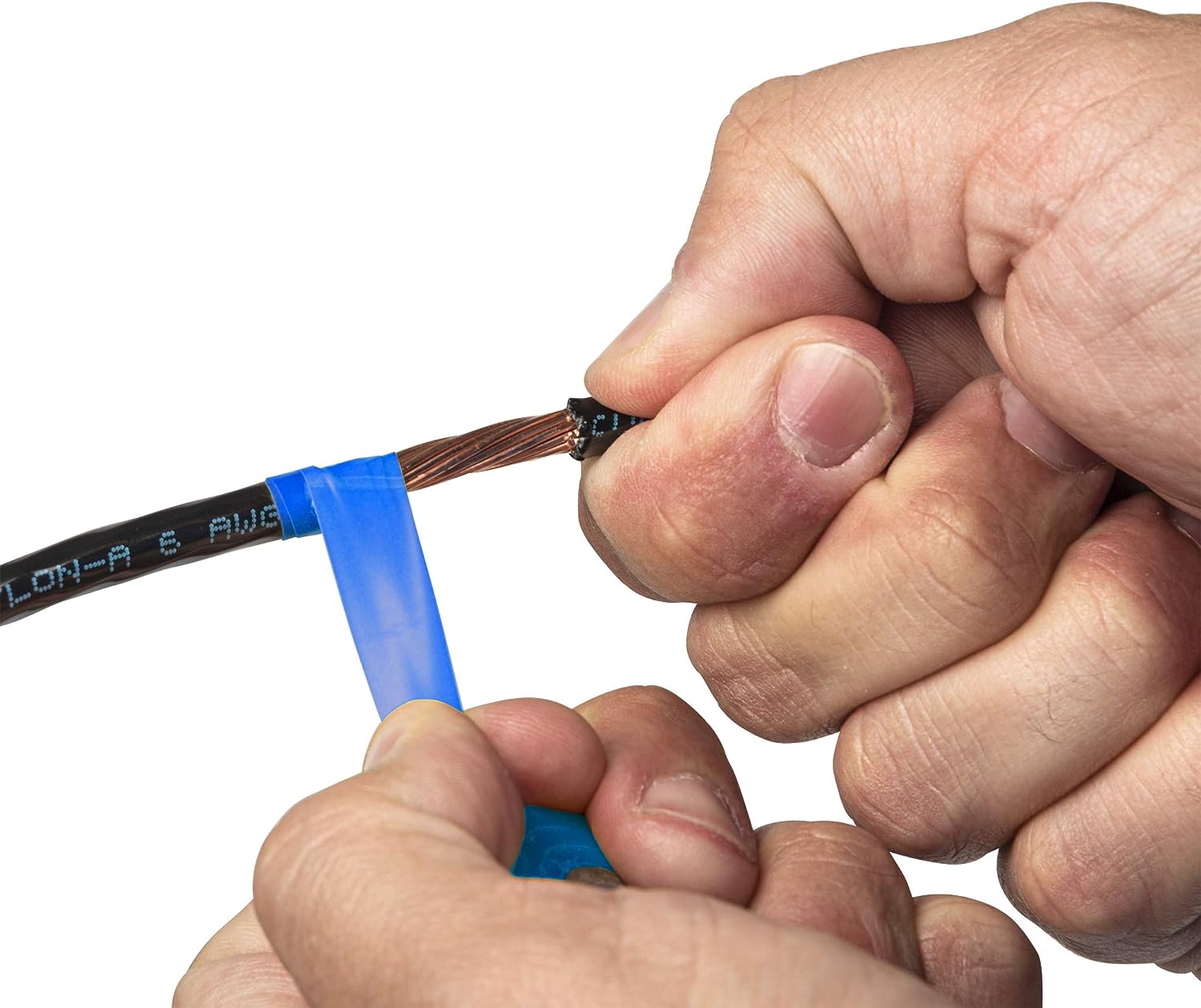
Electrical Safety GuideCan Duct Tape Be Used as Electrical Tape?Ordinary duct tape is not a substitute for listed electrical tape or an approved wiring method. Its adhesive, backing, heat resistance, and electrical properties are designed for different jobs, so using it on electrical connections can…
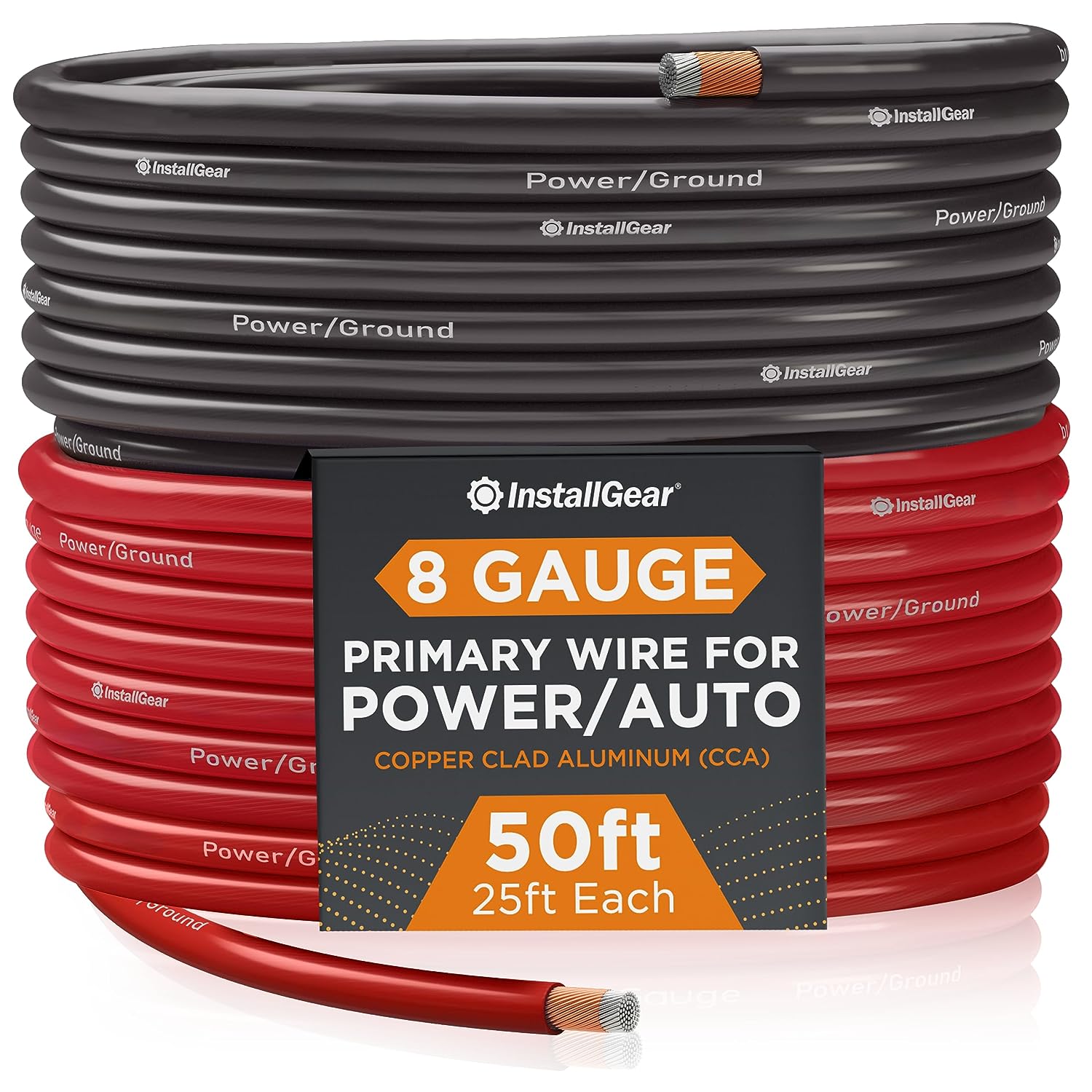
Electrical Safety Guide40-Amp Wire Size: What Homeowners Should KnowA 40-amp circuit is commonly associated with larger appliances and equipment, but conductor size cannot be selected from amperage alone. Material, distance, terminal ratings, temperature, equipment instructions, and local requirements all affect the final design.Quick answer: Eight-gauge…
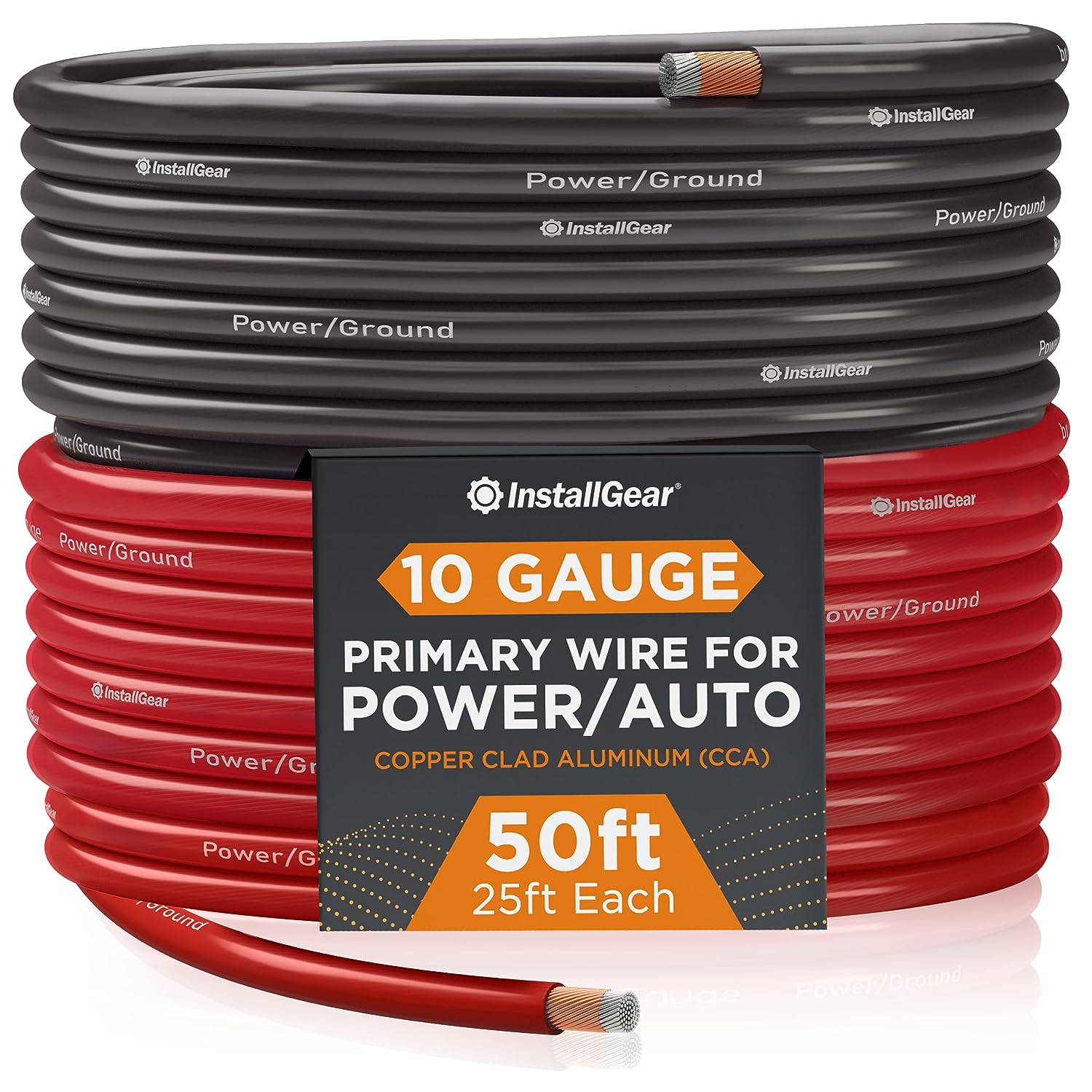
Electrical Safety Guide 30-Amp Wire Size: What South Florida Homeowners Should Know A 30-amp circuit needs conductors, overcurrent protection, terminals, and installation conditions that work together safely. The familiar short answer is often 10-gauge copper, but the correct answer depends on the equipment, distance, conductor…
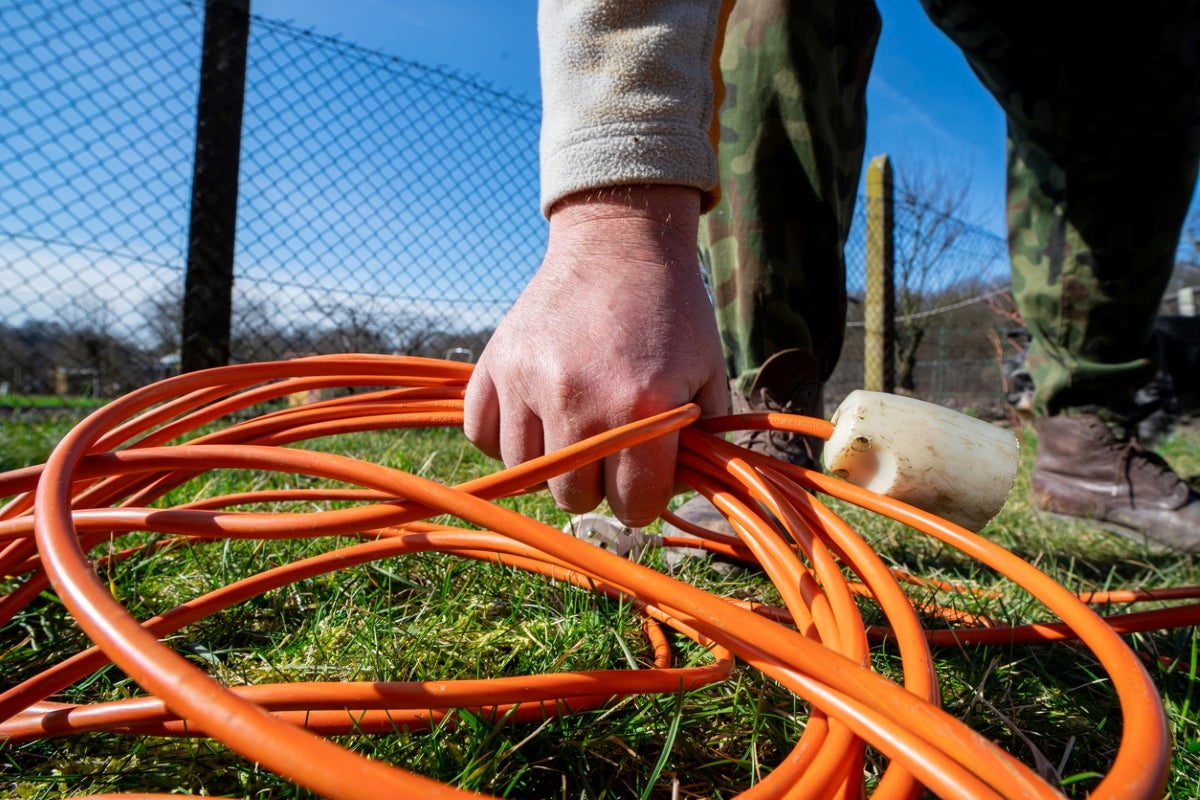
How to Roll Up an Extension Cord: A Step-by-Step Guide Stumbling over a tangled extension cord can make any task frustrating. Luckily, there's a simple solution: learning how to roll up an extension cord properly. This skill saves time, prevents damages, and keeps your work…
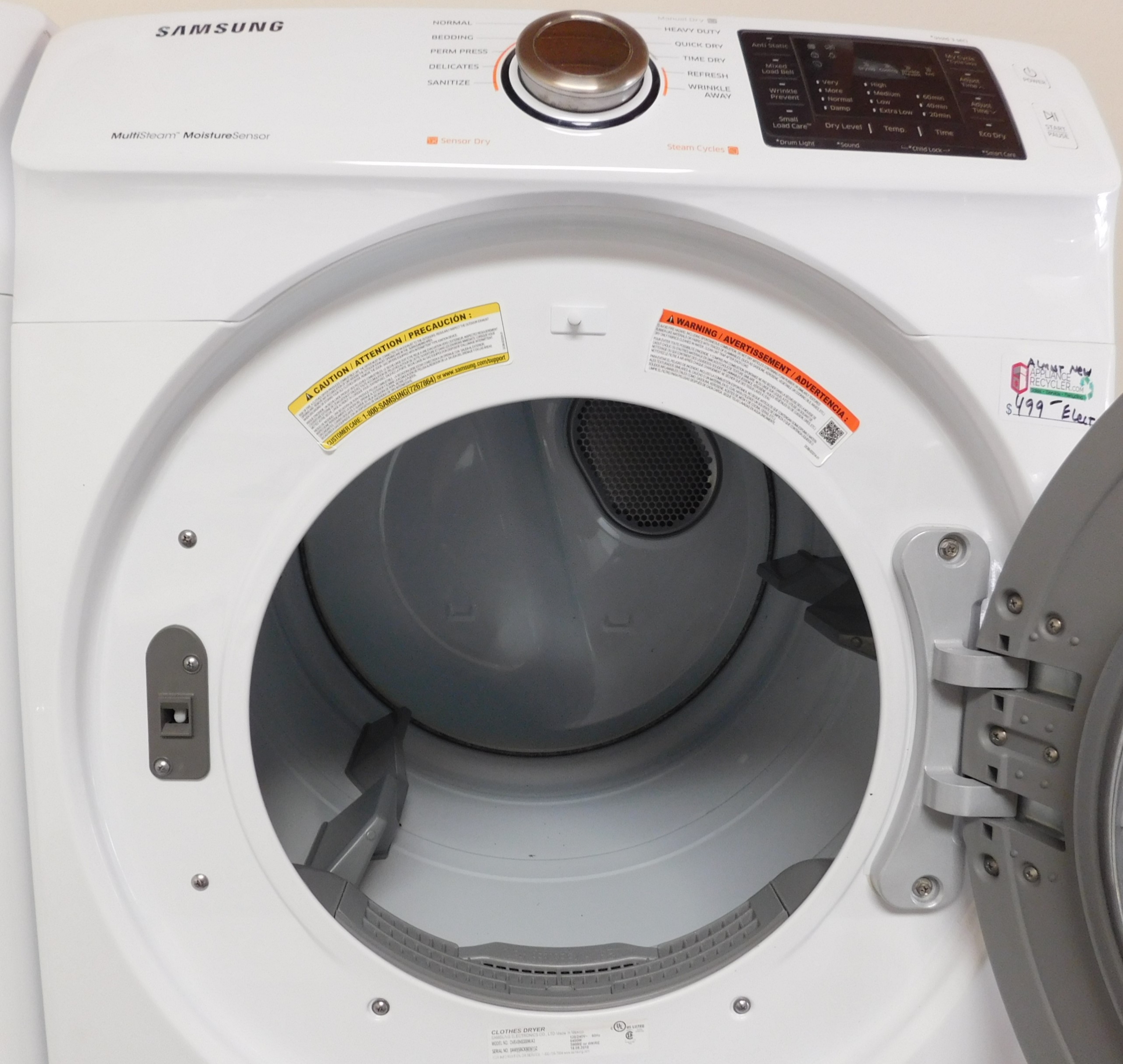
Laundry Electrical GuideElectric Dryer Wire and Breaker Size: What Must MatchAn electric dryer circuit must coordinate the appliance nameplate, breaker, conductors, receptacle, cord, grounding, and neutral arrangement. A familiar plug shape or breaker number does not confirm that the complete installation is safe.Quick answer: Many…
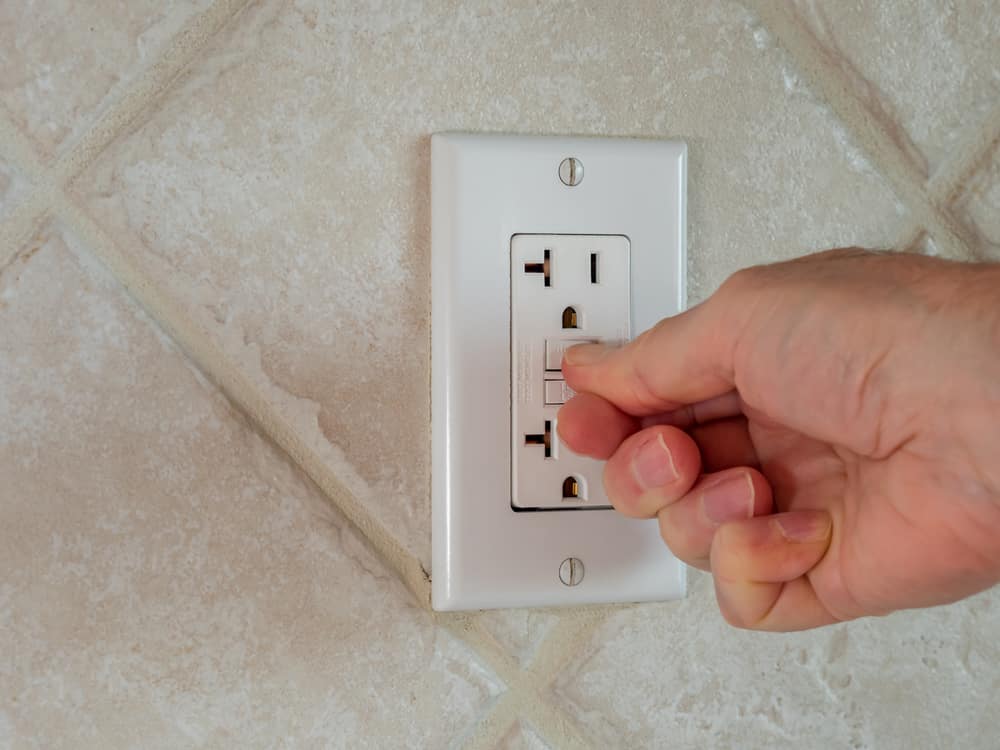
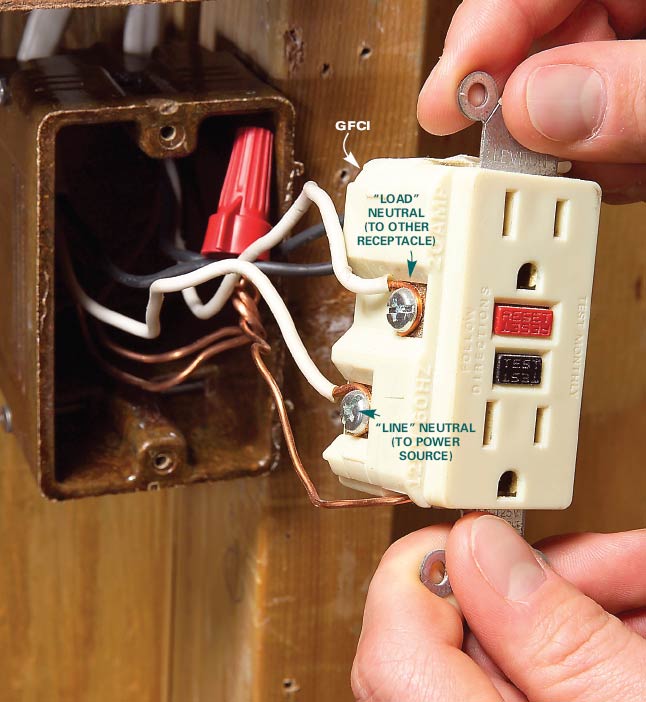
Electrical Troubleshooting GuideWhy a GFCI Keeps Tripping: Common Causes and Safe Next StepsA GFCI trips when it detects an imbalance that may indicate current leaving the intended path. Moisture, damaged equipment, deteriorated wiring, shared downstream loads, or a failed device can cause repeated trips.Quick answer:…
Older-Home Electrical SafetyUpgrading to GFCI Protection in Older HomesGround-fault circuit-interrupter protection can reduce shock risk in kitchens, bathrooms, garages, exteriors, laundry areas, and other locations exposed to moisture. Older homes may need careful evaluation because wiring methods, grounding, boxes, and downstream connections vary.Quick answer: GFCI…
Laundry Electrical GuideDryer Breaker Size: What Determines the Correct CircuitMost modern electric clothes dryers use a dedicated 240-volt circuit, but the correct breaker, conductors, receptacle, and cord depend on the dryer nameplate and installation. Matching only the plug shape is not enough to confirm a…