
Practical homeowner guide
Window Glazing: Panes, Coatings, Safety Glass, and Inspection Clues
Understand single- and multi-pane glass, low-emissivity coatings, safety glazing, impact protection, and common signs of window failure.
Glazing means the glass and related components installed in a window or door. The type of glass affects energy performance, safety, sound, storm resistance, and repair options. Labels and permit records are more reliable than appearance alone.
Single-pane and insulated glass
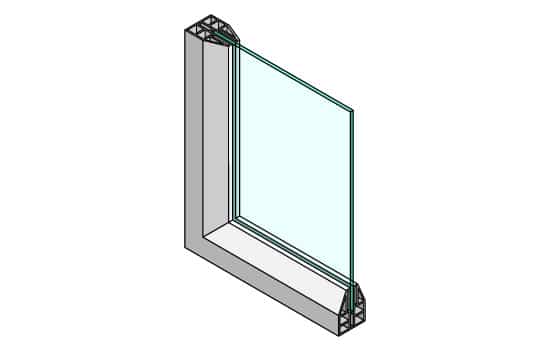
Single-pane windows have one layer of glass. Insulated glass units use two or more panes separated by a sealed space. The spacer and perimeter seal are critical; once that seal fails, moisture or haze may develop between panes.
Low-E coatings and tint
Low-emissivity coatings reduce heat transfer and solar gain. Factory coatings differ from aftermarket film. Dark film on unsuitable glass can increase thermal stress, so follow the window manufacturer’s guidance.
Safety glazing
Tempered and laminated glass are common safety-glazing types. Hazardous locations may include glass near doors, tubs, stairs, or low walking surfaces. Permanent etching or labels can identify some products.
Impact protection
South Florida homes may use impact-rated windows, shutters, panels, or other approved protection. The complete assembly—including frame, glass, anchors, and installation—matters. Product approvals and permits are the best evidence.
Common visible defects
Look for cracks, chips, failed glazing beads, loose gaskets, deteriorated sealant, frame corrosion, water staining, difficult operation, and fogging between panes. Condensation on the room side is different from moisture trapped inside an insulated unit.
Repair or replacement
A failed insulated glass unit may sometimes be replaced without replacing the entire frame. Structural damage, recurring leakage, obsolete components, or poor installation can make full replacement more appropriate. A qualified window contractor should diagnose the assembly.
Frequently asked questions
Does fog between panes mean the seal failed?
Usually, yes. Moisture inside the sealed air space indicates failure of the insulated-glass seal.
Can an inspector confirm impact glass?
Visible labels and records may support identification, but absence of documentation can prevent confirmation.
Is laminated glass always hurricane-rated?
No. Hurricane performance applies to a tested and approved complete assembly.
Related resources