
Practical homeowner guide
Water-Heater TPR Valve: Purpose, Piping, and Defects
Understand how the temperature-and-pressure relief valve protects the tank, why discharge piping matters, and which conditions need a plumber.
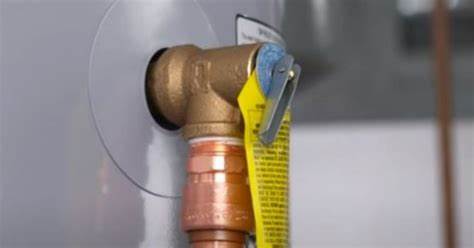
A temperature-and-pressure relief valve is a critical water-heater safety device. It is designed to open if temperature or pressure reaches a dangerous level, allowing water to discharge before the tank is subjected to more severe stress.
What the TPR valve does
The valve responds to excessive temperature, pressure, or both. It is selected and installed for the specific water heater. The attached discharge pipe directs released water toward a safer visible termination.
Where the valve is located
It may be installed in an opening near the top or side of a tank water heater. The data plate and manufacturer instructions identify the required rating and installation details.
Discharge-pipe basics
- Remain full-sized and made from suitable material.
- Run without a cap, plug, valve, or threaded end fitting that could encourage capping.
- Drain by gravity without traps or upward sections that retain water.
- Terminate where discharge is visible and less likely to injure someone.
- Follow manufacturer instructions and local requirements.
Common defects
- Missing discharge pipe.
- Capped, reduced, or valved piping.
- Improper material or damaged connection.
- Termination too high, hidden, or directed toward people.
- Active dripping, corrosion, or mineral deposits.
- Wrong valve rating or evidence of leakage at the tank connection.
Why a valve may discharge
Possible causes include a worn valve, debris, high supply pressure, uncontrolled thermal expansion, or overheating. Replacing the valve without diagnosing pressure and temperature may not solve the problem.
Testing and replacement
Follow the water-heater manufacturer’s instructions. Operating an old or corroded test lever can sometimes leave the valve leaking. A plumber can evaluate the valve, pressure, expansion control, thermostat, and heater condition.
Frequently asked questions
Is a little dripping normal?
Recurring discharge deserves evaluation. It may indicate expansion, pressure, debris, or valve deterioration.
Can the discharge pipe connect to a drain?
Arrangements vary, but termination must not create backpressure, conceal discharge, or violate manufacturer and local requirements.
Does a 4-point inspection include the valve?
The water heater and visible plumbing are documented within the plumbing section when an insurer requests a 4-point inspection. GGR provides insurance inspections only in Miami-Dade, Broward, and Palm Beach counties.
Related resources