

Practical homeowner guide
Vent Stack vs. Stack Vent: Plumbing Terms Explained
Understand the difference between a drainage-stack extension and a separate vent stack—and why both matter to trap seals and sewer-gas control.
“Vent stack” and “stack vent” sound interchangeable, but plumbing terminology distinguishes their functions. Both relate to the vertical drainage and vent system that moves wastewater while protecting fixture trap seals.
What is a soil or waste stack?
The stack is the main vertical pipe receiving discharge from fixtures on multiple levels. A soil stack carries discharge containing human waste; a waste stack carries other fixture discharge. Modern descriptions often use broader drainage-stack language.
What is a stack vent?
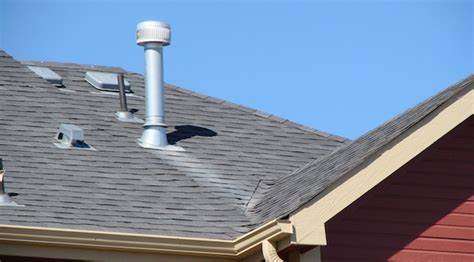
The portion of the drainage stack above the highest connected fixture drain continues as a vent. It allows air movement and routes sewer gases to an approved exterior termination.
What is a vent stack?
A vent stack is a separate vertical vent connected to the drainage system to help equalize pressure and protect traps. Its required arrangement depends on the building and adopted plumbing code.
Why the distinction matters
- It helps plumbers describe which portion of the system is being repaired.
- It clarifies whether a pipe carries waste, air, or both at different points.
- It helps buyers understand scope in inspection reports and proposals.
- It prevents a roof vent from being mistaken for an exhaust duct.
Common visible concerns
- Open, abandoned, or improperly capped piping.
- Unapproved fittings or reductions.
- Leaks, corrosion, or damaged supports.
- Sewer odor near fixtures or penetrations.
- Gurgling and recurring trap-seal loss.
- Improper connections between plumbing vents and mechanical exhaust.
Frequently asked questions
Does every fixture need a separate roof pipe?
No. Properly designed vent piping can combine before terminating, subject to layout and local requirements.
Can a plumbing vent terminate in the attic?
A conventional open vent should not discharge sewer gas into the attic. Approved air-admittance valves serve a different purpose and do not replace every required exterior vent.
Is a vent stack the same as a bathroom exhaust vent?
No. Plumbing vents serve the drainage system; bathroom exhaust ducts remove humid air.
When to call a plumber
Recurring sewer odors, gurgling, widespread slow drainage, visible leaks, or altered piping deserve evaluation. A plumber may use smoke testing, camera work, or other methods beyond a visual inspection.
Related resources

Pingback: Don’t Flush Your Money Away: The Value of a Sewer Scope Inspection – GGR Home Inspections