Dew point is the temperature at which air becomes saturated and water vapor begins to condense. For South Florida homeowners, it is more than a weather term: it helps explain condensation on ducts, supply registers, windows, pipes, and other cool surfaces.
Dew Point in Simple Terms
Warm air can contain more water vapor than cool air. When moist air contacts a surface at or below its dew point, some vapor changes into liquid water. That is why a cold drink sweats outdoors and why an air-conditioning register may collect moisture in a humid home.
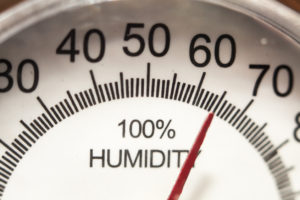
Dew point describes the actual moisture content of the air more directly than relative humidity. A higher dew point generally means the air contains more water vapor.
Dew Point vs. Relative Humidity
Relative humidity is the percentage of moisture in the air compared with the maximum it could hold at the current temperature. Because that capacity changes with temperature, relative humidity can rise as air cools even when no additional moisture enters.
Dew point changes when the amount of water vapor changes. Both measurements are useful, but they answer different questions: relative humidity describes how close the air is to saturation at its current temperature, while dew point helps show how much moisture is actually present.
Why Condensation Appears Inside a Home
Condensation forms when a surface becomes cool enough to fall below the surrounding air’s dew point. Common examples include:
- Cold supply registers exposed to humid indoor air.
- Uninsulated refrigerant lines or chilled plumbing pipes.
- Ductwork in a hot, humid attic with damaged insulation or air leakage.
- Single-pane windows or metal frames during cool conditions.
- Interior surfaces cooled by excessive air conditioning while outdoor air enters the building.
Common South Florida Moisture Sources
- Open doors, air leakage, or ventilation bringing humid outdoor air inside.
- An oversized air conditioner that cools quickly but runs too briefly to remove enough moisture.
- Blocked condensate drainage or wet HVAC components.
- Bathroom, laundry, or cooking moisture not exhausted appropriately.
- Roof, plumbing, window, or exterior-wall leakage.
- Disconnected ducts or pressure imbalances drawing attic air indoors.
A dehumidifier may help manage indoor moisture, but it will not repair water intrusion, damaged duct insulation, or HVAC defects.
Why Repeated Condensation Matters
Occasional light condensation can occur under unusual weather or operating conditions. Repeated wetting can stain finishes, corrode metal, deteriorate insulation, damage drywall or cabinetry, and support microbial growth. The visible droplet is often a symptom; the underlying moisture source and cold surface need to be identified.
Safe Steps for Homeowners
- Track indoor temperature and humidity with a reliable monitor.
- Keep exterior doors and windows closed while air conditioning is operating.
- Use bathroom and kitchen exhaust as intended.
- Replace HVAC filters according to equipment guidance.
- Keep supply and return openings unobstructed.
- Call an HVAC professional for sweating ducts, registers, recurring drainage, or poor humidity control.
Do not cover active moisture with paint or caulk before the source is understood.
What a Home Inspector Checks
During a buyer home inspection, the inspector looks for visible condensation, staining, damaged insulation, drainage concerns, moisture intrusion, and conditions that may warrant HVAC or building-envelope evaluation. A visual inspection cannot verify concealed duct leakage or predict humidity performance under every season and occupancy pattern.
Frequently Asked Questions
Is dew point the same as humidity?
No. Dew point is a temperature related to the air’s moisture content; relative humidity is a percentage that also depends on the current air temperature.
Why is my air vent sweating?
The register surface may be below the surrounding air’s dew point. Humid air entry, duct leakage, damaged insulation, low supply-air temperature, or HVAC sizing and airflow concerns may contribute.
Can condensation cause mold?
Repeated dampness can support microbial growth when materials stay wet long enough. Correct the moisture source and dry affected materials promptly.
Schedule a South Florida Home Inspection
GGR Home Inspections evaluates visible moisture, HVAC, roof, plumbing, and building-envelope conditions during a comprehensive inspection. Call 305-908-7050 or schedule online.
Continue Learning