
South Florida HVAC Guide
Why Is My Air Handler Sweating?
Condensation forms when a cold air-handler surface falls below the surrounding air’s dew point. Persistent sweating can damage finishes and insulation, corrode equipment, and signal humidity, airflow, drainage, or duct problems.
An air handler contains or supports cold evaporator-coil components and moves conditioned air through the duct system. Some moisture belongs inside the condensate collection and drainage system. Water collecting on the outside of the cabinet, plenum, ducts, or nearby finishes is different and deserves investigation.
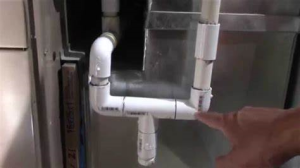
Why Condensation Forms
Warm, humid air contains water vapor. When it contacts a surface at or below its dew point, some vapor changes into liquid water. The colder the cabinet or duct surface and the more humid the surrounding air, the greater the condensation risk.
Read our dew-point guide for a fuller explanation of that relationship.
Common Causes of Air-Handler Sweating
High humidity around the equipment
Outdoor air leakage, open access panels, building pressure imbalances, or a humid attic or closet can expose cold equipment to moisture-laden air.
Damaged or missing insulation
Air handlers, plenums, refrigerant suction lines, and ducts require appropriate insulation and vapor control. Compressed, torn, wet, or disconnected insulation can allow surface temperatures to fall below the local dew point.
Duct or cabinet air leakage
Leaking return connections may pull humid attic or closet air into the system. Supply leakage can cool nearby surfaces and create localized condensation. Gaps at panels and plenums may also affect pressure and temperature.
Airflow problems
A dirty filter, obstructed return, dirty coil, incorrect fan setting, damaged blower, or restrictive ductwork can lower coil temperature or change cabinet conditions. Ice on the coil or refrigerant piping requires prompt service.
Condensate drainage trouble
A blocked drain, damaged pan, improper trap, disconnected line, or failed pump can release water that looks like sweating. Confirm whether the water forms on a surface or escapes from the drainage system.
Equipment sizing or control concerns
An oversized system may cool the home quickly but run too briefly to remove enough moisture. Thermostat fan settings and dehumidification controls can also influence indoor humidity.
Why Persistent Sweating Matters
- Wet insulation can lose performance and remain damp.
- Cabinets, fasteners, and nearby metal may corrode.
- Drywall, framing, shelving, and stored belongings may be damaged.
- Recurring dampness can support microbial growth.
- Water may reach electrical equipment or create a slip hazard.
Safe Homeowner Checks
- Replace or inspect the filter according to equipment guidance.
- Keep supply and return openings unobstructed.
- Check for visible water in the emergency pan.
- Look for an active condensate overflow or float-switch condition.
- Measure indoor humidity over several days.
- Note when and where the moisture appears.
Do not open energized HVAC compartments, bypass a float switch, puncture the cabinet, or cover wet surfaces with improvised insulation. Wet insulation and recurring condensation should be corrected only after the source is identified.
When to Call an HVAC Professional
Request service when sweating is persistent, insulation is wet or damaged, the system short cycles, the coil freezes, drainage backs up, the breaker trips, or the home remains humid despite normal operation. The technician may need to evaluate airflow, duct leakage, refrigerant operation, condensate drainage, equipment sizing, and control settings.
What a Home Inspector Checks
During a buyer home inspection, the inspector observes accessible air handlers, plenums, filters, condensate components, visible ductwork, and surrounding areas. Staining, corrosion, damaged insulation, standing water, abnormal operation, or apparent leakage may be reported. Concealed duct leakage and performance under every weather condition cannot be verified during a visual inspection.
Frequently Asked Questions
Is a little condensation normal?
Condensate inside the designed pan and drain is normal during cooling. Water collecting on the exterior cabinet, ductwork, or building finishes is not something to ignore.
Will adding insulation stop the sweating?
Only if missing or damaged insulation is the actual cause and the correct material and vapor barrier are installed. Insulation will not fix drainage, airflow, refrigerant, duct-leakage, or humidity problems.
Can high indoor humidity cause the air handler to sweat?
Yes. Higher humidity raises the dew point, making condensation more likely on cold surfaces. The reason for the high humidity still needs to be determined.
Schedule a South Florida Home Inspection
GGR Home Inspections evaluates accessible HVAC and moisture conditions during a comprehensive inspection. Call 305-908-7050 or schedule online.
Continue Learning


Pingback: Air Conditioning Drainage Is Important, Learn Why – GGR Home Inspections