
Bidet Converter Guide: Plumbing, Electrical, and Hygiene Considerations
A bidet attachment can add washing functions to an existing toilet, but compatibility, backflow protection, secure connections, power, clearances, and maintenance matter.
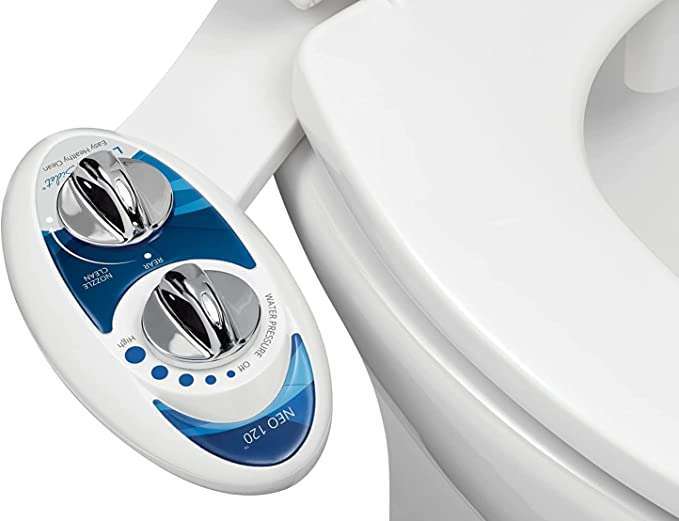
Attachments range from simple cold-water sprayers to heated electronic seats. Choose by installation requirements and safety—not product rankings or affiliate promotions.
Check toilet compatibility
Confirm bowl shape, mounting-hole spacing, seat clearance, shutoff access, hose routing, and manufacturer limitations.
Avoid forcing fittings or using parts not approved for potable-water connections.
Protect the water supply
Use listed components and required backflow protection. Inspect hoses and tees for stress, kinks, corrosion, and leakage.
Close the shutoff and stop if an older valve begins leaking during installation.
Plan electrical models safely
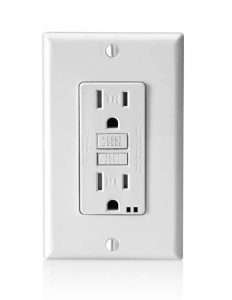
Heated seats may require a properly located GFCI-protected receptacle and a circuit suitable for the load.
Do not use extension cords or place unlisted adapters near water.
Warning signs to address
- Leaking tee or supply hose
- Loose seat or attachment
- Missing backflow protection
- Unsafe extension-cord use
What a home inspection can document
An inspector can document visible leakage, loose fixtures, accessible electrical protection, and questionable plumbing connections.
A visual inspection cannot predict every failure or replace evaluation by the appropriately licensed specialist. It can identify visible concerns, explain why they matter, and help owners plan qualified follow-up.
Need a clearer picture of the property?
GGR Home Inspections provides clear, photo-documented inspections across Miami-Dade, Broward, Palm Beach, and St. Lucie counties.



Pingback: Why Won’t My Toilet Stop Running? 3 Possible Reasons - GGR Home Inspections