Trane Air Conditioner Cost: Equipment, Installation, and Ownership
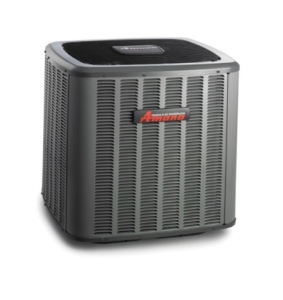
The cost of a Trane air-conditioning system depends on capacity, efficiency, equipment pairing, ductwork, electrical work, installation conditions, and warranty—not the outdoor unit alone.
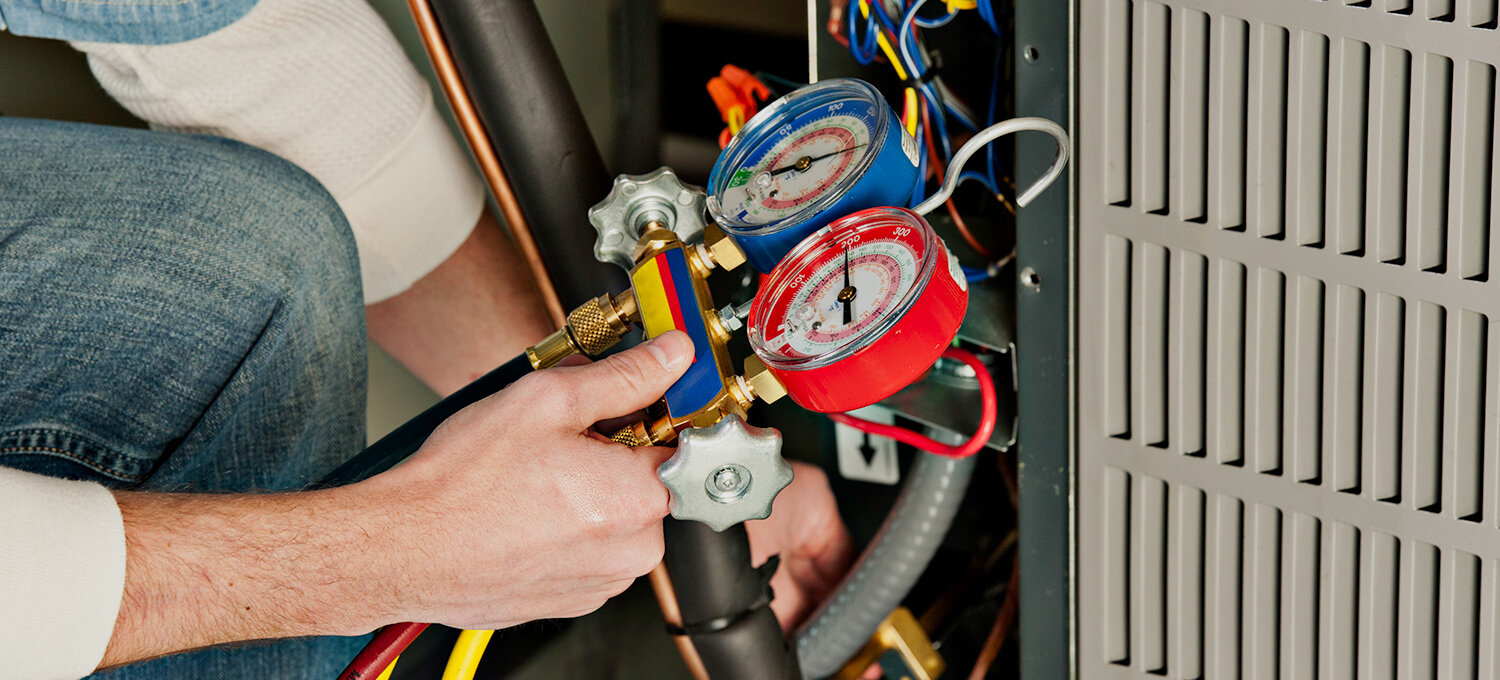
Online price ranges can be misleading because a complete cooling system may include an outdoor unit, indoor coil or air handler, controls, refrigerant piping, drain components, permits, labor, electrical work, and duct modifications. South Florida humidity control and long cooling seasons make correct design especially important.
Equipment capacity and sizing
Cooling capacity should be based on the building load, not simply the size of the existing unit. Windows, insulation, orientation, air leakage, occupancy, roof conditions, and duct losses affect the load.
Oversized equipment may cool quickly but remove moisture poorly and cycle excessively. Undersized equipment may run continuously and struggle during peak conditions.
Efficiency ratings and system matching
Higher-efficiency systems may cost more initially and can require matched indoor and outdoor components, compatible controls, and specific airflow. Published ratings apply to tested combinations rather than any mix of equipment.
Ask the contractor to identify the exact model pairing and efficiency documentation. Compare projected savings with purchase price, maintenance, repair complexity, and expected ownership period.
Installation conditions
Attic or rooftop access, crane needs, platform repairs, line-set replacement, condensate routing, electrical upgrades, and permit requirements can materially change the project cost.
A low equipment quote may exclude work necessary for a safe, complete installation. Proposals should state what is included, what may change after opening concealed areas, and who handles permits and inspections.
Ductwork and airflow
Leaking, undersized, damaged, or poorly balanced ducts can prevent a new system from performing as expected. Static-pressure testing, airflow measurements, sealing, insulation, or redesign may be recommended.
Replacing only the equipment does not correct every comfort problem. Uneven temperatures can also involve building-envelope issues, solar gain, or room layout.
Drainage, electrical, and controls
Condensate lines, float switches, drain pans, breakers, disconnects, conductors, thermostats, and surge protection may need attention during replacement. Coastal and lightning exposure can influence protective choices.
These components should be compatible with the selected equipment and installed by qualified professionals. Improvised drain or electrical work can create water and fire hazards.
Warranty and long-term ownership
Compare parts, compressor, labor, registration, and maintenance requirements. Manufacturer coverage may not include diagnostic labor, refrigerant, access, or related building repairs.
Budget for filters, routine service, drain maintenance, and eventual component replacement. A strong installation and documented maintenance often matter more than choosing solely by advertised price.
Warning signs that deserve prompt attention
- A proposal without exact model numbers
- No load calculation or airflow discussion
- Unclear permit, electrical, or drainage scope
- Unmatched indoor and outdoor equipment
- Warranty terms that exclude major labor costs
What a home inspection can document
During a home inspection, accessible HVAC equipment may be operated under normal controls when conditions permit. The inspector can document approximate age, visible defects, temperature response, drainage concerns, and maintenance needs, but not determine exact replacement pricing.
A visual inspection cannot predict every failure or replace evaluation by the appropriately licensed contractor. It can identify visible concerns, explain why they matter, and help buyers and homeowners plan qualified follow-up.
Need a clearer picture of the property?
GGR Home Inspections provides clear, photo-documented inspections across Miami-Dade, Broward, Palm Beach, and St. Lucie counties.