50-Amp Wire Size: Breakers, Conductors, Distance, and Safety
There is no single wire size that is correct for every 50-amp circuit. Conductor material, insulation rating, temperature limits, terminals, load type, installation method, and distance all matter.
A 50-amp circuit may serve a range, EV charger, spa, welder, HVAC unit, recreational vehicle receptacle, or other equipment. Those loads are not interchangeable. Manufacturer instructions, adopted electrical code, equipment terminals, conductor ampacity, continuous-load rules, and voltage-drop considerations determine the final design.
Copper and aluminum conductors
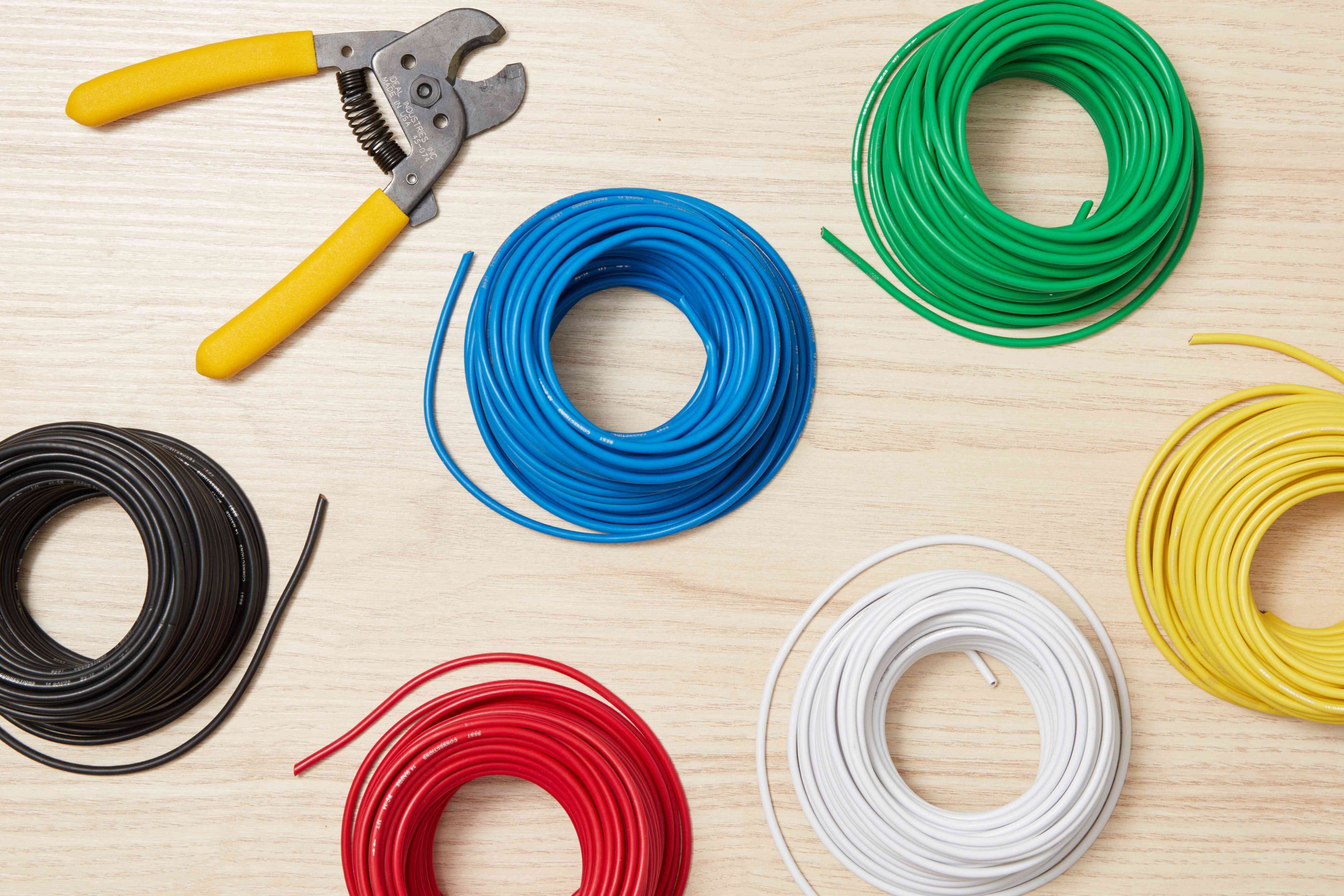
Copper and aluminum have different electrical and physical properties, so the same ampacity may require different conductor sizes. Aluminum terminations must be listed for the conductor material and installed using the specified preparation and torque.
Never place aluminum conductors on terminals not marked for aluminum, and do not substitute one material without recalculating the complete circuit.
Terminal temperature ratings
Allowable ampacity can be limited by equipment terminal ratings even when conductor insulation has a higher temperature rating. Equipment size, conductor size, and listing instructions affect which column may be used in code tables.
Using a higher insulation rating does not automatically permit a smaller conductor. The lowest applicable limitation in the connected system controls.
Continuous and noncontinuous loads
Some loads are treated as continuous and require conductor and overcurrent sizing above the calculated operating current. EV charging is a common example, but the rule depends on the actual load and equipment instructions.
The breaker handle rating alone does not establish that a circuit is correctly designed for a specific appliance.
Distance and voltage drop
Long conductor runs have greater voltage drop. Excessive drop can reduce equipment performance, increase heating, and contribute to nuisance operation. Designers may increase conductor size for long distances even when minimum ampacity is otherwise satisfied.
Voltage, load current, conductor material, length, and acceptable performance must all be considered. Online distance charts often omit critical assumptions.
Cable and raceway conditions
Conductor ampacity can be affected by ambient temperature, rooftop exposure, bundling, the number of current-carrying conductors, insulation, wet locations, and the selected cable or raceway.
A conductor acceptable in one wiring method may not be acceptable in another. Physical protection and grounding must also be included in the design.
Breaker and equipment coordination
The breaker protects circuit conductors and must coordinate with the load, conductor ampacity, and any manufacturer-required maximum overcurrent protection. Some equipment permits or requires a specific range of breaker sizes.
Oversizing a breaker to stop nuisance trips can leave wiring inadequately protected. Repeated trips require diagnosis, not a larger breaker without engineering the circuit.
Warning signs that deserve prompt attention
- Breaker and conductor sizes that appear mismatched
- Heat damage or discolored insulation
- Aluminum conductors on incompatible terminals
- Improvised splices or undersized grounding
- Long runs with equipment performance problems
What a home inspection can document
A home inspector may document visible conductor material, breaker rating, equipment labeling, damage, and apparent inconsistencies. Exact conductor size, concealed routing, derating, and voltage drop may require electrician testing and calculation.
A visual inspection cannot predict every failure or replace evaluation by the appropriately licensed contractor. It can identify visible concerns, explain why they matter, and help buyers and homeowners plan qualified follow-up.
Need a clearer picture of the property?
GGR Home Inspections provides clear, photo-documented inspections across Miami-Dade, Broward, Palm Beach, and St. Lucie counties.