
Loose HVAC Duct Tape in the Attic: Causes and Repairs
Loose duct connections and failed sealants can waste conditioned air, pull humid attic air into the system, and contribute to condensation and comfort problems.
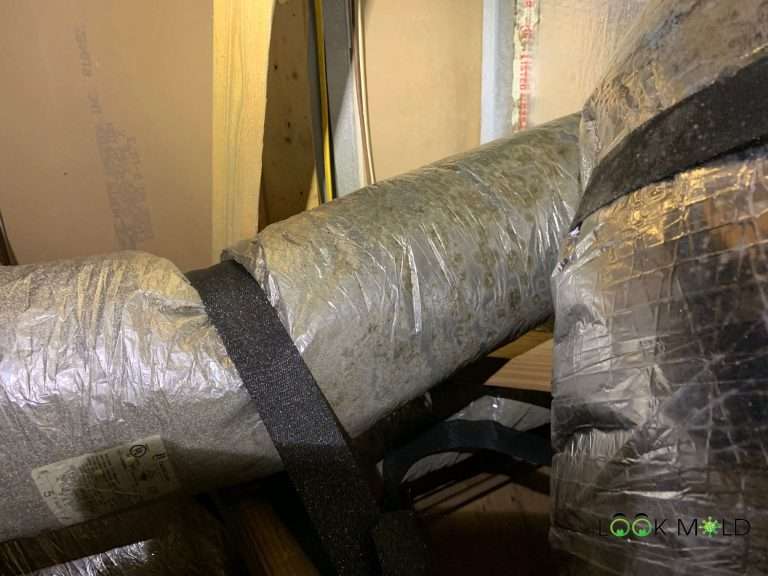
Duct joints should be mechanically secured, sealed with approved materials, supported, and insulated for their location. Ordinary cloth-backed tape often dries out and releases in hot attics, leaving gaps that reduce performance.
Why joints come loose
Heat, age, vibration, poor surface preparation, unsupported ducts, condensation, and unsuitable tape can cause seals to fail. A loose outer jacket may also expose or compress insulation.
The repair should address both the connection and the reason it moved rather than simply adding another layer of tape.
Supply and return leakage
Supply leaks lose cooled air into the attic. Return leaks may pull hot, dusty, humid air into the system, raising loads and potentially creating condensation.
Symptoms can include uneven rooms, long runtimes, high bills, dusty grilles, or moisture on ducts and nearby materials.
Use compatible repair methods
A qualified HVAC contractor can clean and mechanically secure the joint, apply listed mastic or tape, restore insulation, and correct support. Materials must be compatible with the duct system.
Do not cover wet insulation or visible growth without diagnosing moisture and drying or replacing affected material.
Look beyond the visible joint
Static pressure, damaged flexible ducts, blocked filters, closed dampers, equipment airflow, and duct sizing can contribute to stress and poor performance.
Testing can identify leakage and airflow problems that are not obvious during a visual inspection.
Warning signs to address
- Separated or sagging duct joints
- Condensation or stained insulation
- Uneven temperatures
- Dust streaks at connections
- Long HVAC runtimes
What a home inspection can document
A home inspector can document visible loose joints, damaged insulation, condensation, support problems, and accessible duct defects. Leakage rates and airflow balancing require specialized testing.
A visual inspection cannot predict every failure or replace evaluation by the appropriately licensed specialist. It can identify visible concerns, explain why they matter, and help buyers and homeowners plan qualified follow-up.
Need a clearer picture of the property?
GGR Home Inspections provides clear, photo-documented inspections across Miami-Dade, Broward, Palm Beach, and St. Lucie counties.


Pingback: Shop for a Home with these 4 Major Components in Mind – GGR Home Inspections