
Asbestos Insulation in Homes: Identification and Safe Next Steps
Some older insulation and building products may contain asbestos, but appearance alone cannot confirm it; laboratory analysis is required.
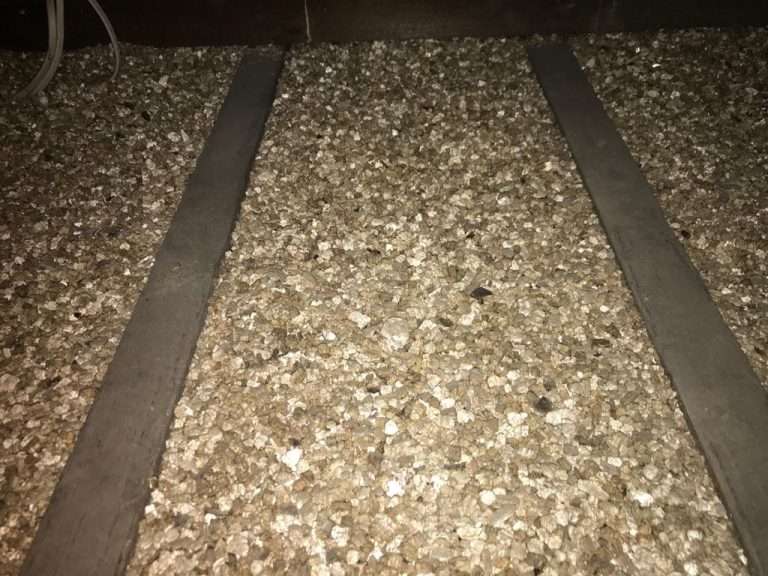
Asbestos was used in pipe insulation, boiler materials, vermiculite, flooring, roofing, siding, mastics, and other products. Risk increases when material is damaged and fibers become airborne.
Where it may occur
Age and product type provide clues but are not proof. Renovations can leave older material concealed behind newer finishes.
Treat damaged friable insulation, pipe wrap, and debris cautiously.
Testing and management
A qualified professional can assess condition and collect controlled samples for an accredited laboratory.
Management may involve leaving stable material in place, enclosure, encapsulation, or regulated removal.
Before renovation
Survey suspect materials before demolition, drilling, sanding, or HVAC work that may disturb them.
Follow applicable federal, state, and local requirements for notification, workers, containment, transport, and disposal.
Warning signs to address
- Damaged fibrous pipe wrap
- Loose vermiculite-like material
- Debris from older insulation
- Planned disturbance of unknown products
What a home inspection can document
A standard home inspection does not identify asbestos. An inspector can note suspect materials and recommend qualified testing without disturbing them.
A visual inspection cannot predict every failure or replace evaluation by the appropriately licensed specialist. It can identify visible concerns, explain why they matter, and help owners plan qualified follow-up.
Need a clearer picture of the property?
GGR Home Inspections provides clear, photo-documented inspections across Miami-Dade, Broward, Palm Beach, and St. Lucie counties.


Pingback: My Bathroom Vents into Attic, Is That Correct? (2023 Guide) - GGR Home Inspections
Pingback: Remove Attic Insulation – #1 Reasons Why – GGR Home Inspections