HVAC Condensate Pumps: Operation, Problems, and Maintenance
A condensate pump moves water from cooling or high-efficiency equipment when gravity drainage is not available. A small failure can quickly become a water-damage problem.
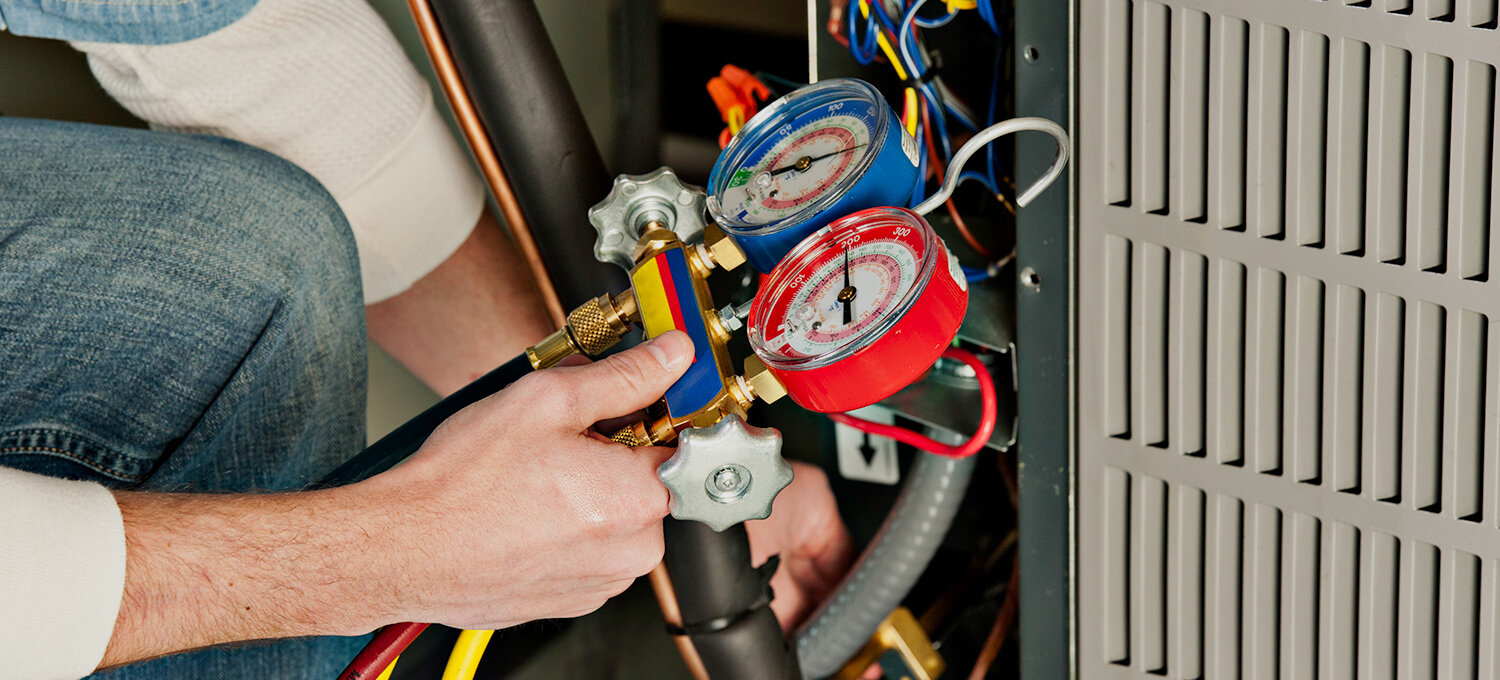
Air-conditioning equipment removes moisture from indoor air. That water should drain safely away from the equipment. When the unit is below the available drain or the route cannot rely on gravity, a small pump collects condensate and sends it through discharge tubing to an approved location.
How the pump works
Condensate flows into a reservoir. As the water level rises, a float activates the pump motor. The pump sends water through small tubing to a drain or exterior termination, and the float drops when the reservoir empties.
Some systems include an overflow safety switch that can shut down cooling if the water rises too high. Bypassing that switch can allow a minor drainage problem to become ceiling, wall, or floor damage.
Common causes of failure
Algae, sludge, debris, mineral buildup, kinked tubing, failed check valves, stuck floats, worn motors, and power loss can interrupt drainage. A pump may also be undersized or installed where it cannot be serviced.
Frequent cycling, unusual noise, water remaining in the reservoir, or a pump that runs continuously should be evaluated. Replacing the pump without clearing the complete drain route may not solve the cause.
Discharge tubing and termination
Tubing should be secure, protected from kinks and damage, and routed to an acceptable discharge point. Loose tubing can release water inside the building, while a blocked exterior termination can cause backup.
The discharge should not create slippery surfaces, damage finishes, or send water where it can reenter the building. Local requirements and manufacturer instructions govern acceptable arrangements.
Cleaning and maintenance
Maintenance commonly includes disconnecting power, cleaning the reservoir and float, clearing approved tubing, and testing pump operation. The exact procedure depends on the equipment and manufacturer.
Do not mix cleaning chemicals or use products that damage plastics, seals, coils, or drain components. HVAC technicians can service the entire condensate system during routine maintenance.
Water damage and microbial growth
Overflow may wet ceilings, flooring, insulation, cabinets, or framing before occupants notice it. Staining, swollen materials, musty odors, or repeated drain clogs justify further evaluation and drying.
Correcting the pump alone does not restore damaged building materials. Significant or prolonged wetting may require moisture assessment and targeted remediation.
Replacement considerations
Pump capacity, lift height, tubing length, voltage, safety-switch compatibility, and equipment type all matter. A visually similar pump may not be an appropriate replacement.
Professional installation is appropriate when wiring, difficult access, concealed drainage, combustion equipment, or repeated failures are involved.
Warning signs that deserve prompt attention
- Water around the reservoir or equipment
- A pump that is silent, noisy, or continuously running
- Kinked, loose, or stained discharge tubing
- Cooling shutdown linked to a full reservoir
- Ceiling, wall, or floor moisture nearby
What a home inspection can document
A home inspection may identify visible leakage, damaged tubing, unsafe wiring, poor access, active overflow, or an HVAC system that does not operate normally. Internal pump performance and concealed discharge routes cannot be guaranteed.
A visual inspection cannot predict every failure or replace evaluation by the appropriately licensed contractor. It can identify visible concerns, explain why they matter, and help buyers and homeowners plan qualified follow-up.
Need a clearer picture of the property?
GGR Home Inspections provides clear, photo-documented inspections across Miami-Dade, Broward, Palm Beach, and St. Lucie counties.