
Practical homeowner guide
Transom Windows: Light, Ventilation, and Inspection Concerns
Learn how transom windows are used, where leaks develop, and which safety and storm-protection details matter in South Florida homes.
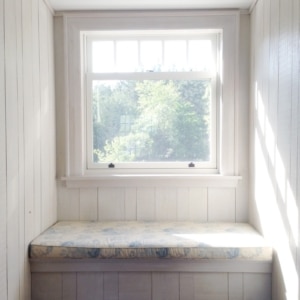
A transom is a window positioned above a door or another window. It may be fixed or operable and can add daylight, ventilation, architectural height, or borrowed light between rooms.
Water-management details
Head flashing, perimeter sealant, sill drainage, wall integration, and the joint with the opening below must work together. Staining at the upper corners can indicate leakage from the transom, wall, roof, or another source above.
Operation and access
Operable transoms need functioning hardware and safe access. Painted-shut sashes, loose operators, broken glass, and unreachable controls can defeat intended ventilation.
Safety glazing
Location near doors, floors, tubs, stairs, or other hazardous areas may require safety glazing. Requirements depend on the opening and adopted code, so labels and permit records help confirm the assembly.
Storm protection
A transom requires its own impact-rated product or approved protection when applicable. A protected door below does not automatically protect the glass above.
Inspection scope
Inspectors document visible damage, operation, sealant, staining, fogging, and accessible storm-protection information but cannot verify concealed flashing or pressure ratings without records.
Frequently asked questions
Can a home inspection confirm every hidden condition?
No. A standard inspection is visual and non-invasive. Accessible evidence is documented, and further specialist evaluation is recommended when needed.
Should repairs be completed before closing?
Timing depends on the condition, contract, risk, and qualified estimates. Safety and active water concerns deserve prompt attention.
Related resources