
Practical homeowner guide
Roof Rafter Spacing: Structure, Loads, and Inspection Clues
Understand why rafter spacing cannot be judged by one rule and what visible framing conditions deserve further evaluation.
Rafter spacing is determined by span, lumber species and grade, member size, roof pitch, covering weight, ceiling support, wind demands, and the adopted design. A dimension that works in one house may be inadequate in another.
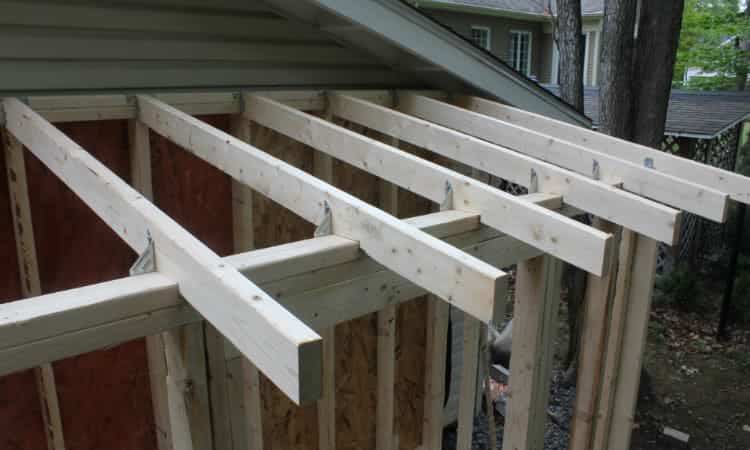
Common layouts
Residential rafters are often arranged at regular on-center spacing, but trusses, engineered lumber, older construction, additions, and repairs can differ. The approved plans and applicable span tables—not appearance alone—establish adequacy.
Loads and connections
Rafters must carry dead loads and environmental loads while transferring forces through walls and connections. In South Florida, uplift resistance and roof-to-wall connections are critical parts of the load path.
Visible warning signs
Sagging planes, split or notched members, displaced braces, missing connectors, improvised supports, moisture damage, and altered framing may justify specialist review. Stored items and mechanical equipment can also add loads that were not intended.
Alterations need care
Cutting rafters for ducts, attic access, skylights, or equipment can weaken the system. Repairs should follow a design from a qualified professional when structural capacity or load transfer is uncertain.
What inspectors can determine
A visual inspection documents accessible framing and apparent concerns. It does not calculate every load or certify structural design. An engineer can evaluate capacity when movement, damage, or unconventional alterations are present.
Frequently asked questions
Can a home inspection confirm every hidden condition?
No. A standard inspection is visual and non-invasive. Accessible evidence is documented, and further specialist evaluation is recommended when needed.
Should repairs be completed before closing?
Timing depends on the condition, contract, risk, and qualified estimates. Safety and active water concerns deserve prompt attention.
Related resources