
Practical homeowner guide
Outlet Testers: Useful Tool, Important Limitations
A three-light outlet tester is useful for several common wiring patterns, but it cannot prove that every part of a circuit is safe or correctly installed.
A three-light outlet tester is useful for several common wiring patterns, but it cannot prove that every part of a circuit is safe or correctly installed.
What basic testers can indicate
Common patterns may suggest open ground, open neutral, open hot, or apparent reversed conductors. The chart on the tester applies only to the conditions it was designed to recognize.
What they can miss
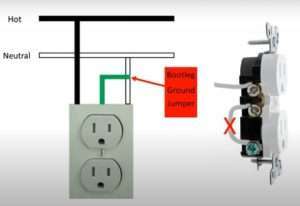
Testers may not reveal bootleg grounds, high-resistance connections, conductor damage, shared-neutral problems, poor grounding quality, or every upstream wiring error.
GFCI testing has limits
A tester’s GFCI button may not operate on an ungrounded circuit even when the device’s own test button functions. Device instructions and professional testing matter.
Readings require context
An unusual result can originate at the tested receptacle, another device, a junction, or the panel. Systematic troubleshooting should be performed by a licensed electrician.
Inspection practice
Home inspectors test a representative number of accessible receptacles and document abnormal indications. The inspection is not an exhaustive electrical code or load analysis.
Frequently asked questions
Can a home inspection confirm every hidden condition?
No. A standard inspection is visual and non-invasive. Accessible evidence is documented, and further specialist evaluation is recommended when needed.
When should a specialist be called?
Seek qualified help when there is an active safety concern, water intrusion, uncertain installation, specialized testing need, or repair beyond ordinary homeowner maintenance.
Related resources