
Practical homeowner guide
Loose Sink Faucet: Causes, Safe Checks, and Repair Decisions
Learn why faucets loosen, which homeowner checks are reasonable, and when corrosion, leakage, or difficult access calls for a plumber.
Mounting nuts can relax, brackets can shift, sealant can fail, and sink or countertop materials can deteriorate. Repeated movement may stress supply lines and allow water beneath the fixture.
Start with a leak check
Dry the cabinet, operate the faucet, and inspect the base, supply connections, shutoffs, sprayer hose, and drain area. Staining or swollen cabinet materials may show a longer history than the current drip.
Access and shutoffs
Before work, identify reliable shutoff valves and confirm that the mounting hardware is safely accessible. Corroded valves, brittle lines, cramped access, and stone counters increase repair risk.
Tightening is not always the answer
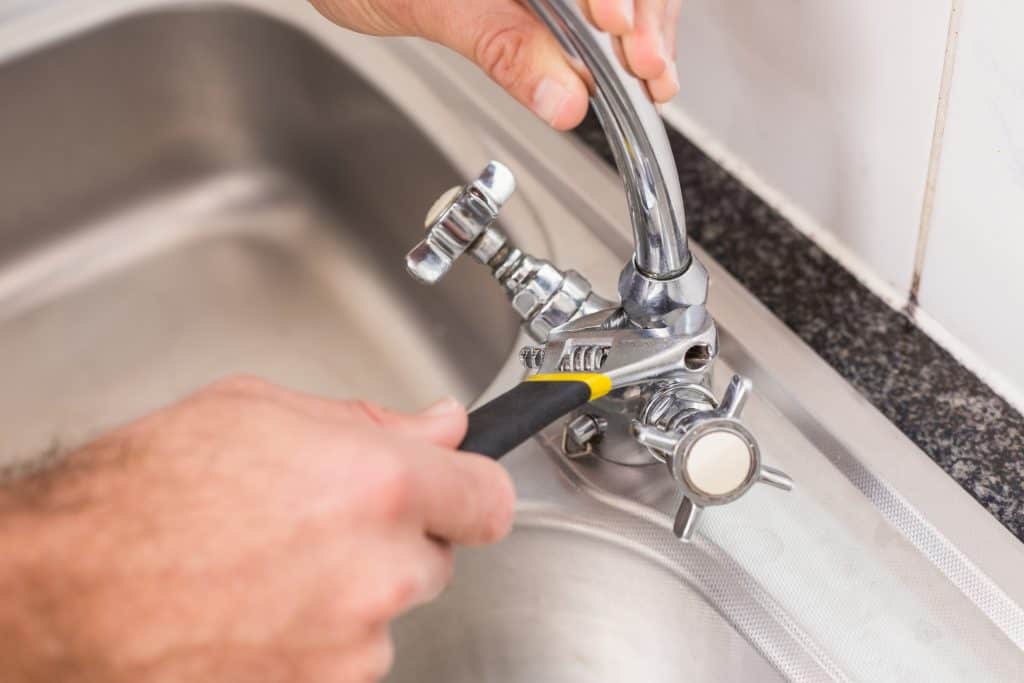
Use the correct tool and follow the manufacturer’s mounting method. Overtightening can crack fixtures or counters, strip hardware, deform gaskets, and worsen leaks.
When parts need replacement
Damaged brackets, rusted nuts, failed gaskets, deteriorated supply lines, or a cracked sink may require replacement rather than adjustment. Match components to the faucet and installation.
Inspection perspective
Inspectors report looseness, leakage, damaged cabinets, corroded shutoffs, and improper connections during accessible operation. Repairs should be tested under normal use afterward.
Frequently asked questions
Can a home inspection confirm every hidden condition?
No. A standard inspection is visual and non-invasive. Accessible evidence is documented, and further specialist evaluation is recommended when needed.
Should repairs be completed before closing?
Timing depends on the condition, contract, risk, and qualified estimates. Safety and active water concerns deserve prompt attention.
Related resources