
Practical homeowner guide
Bathroom Exhaust Fans: Ventilation, Moisture, and Inspection
Learn how bathroom exhaust fans control moisture, where they should discharge, and which installation defects can damage a South Florida home.
Showers add large amounts of moisture. A properly sized fan removes humid air before it condenses on ceilings, trim, cabinets, and cooler surfaces.
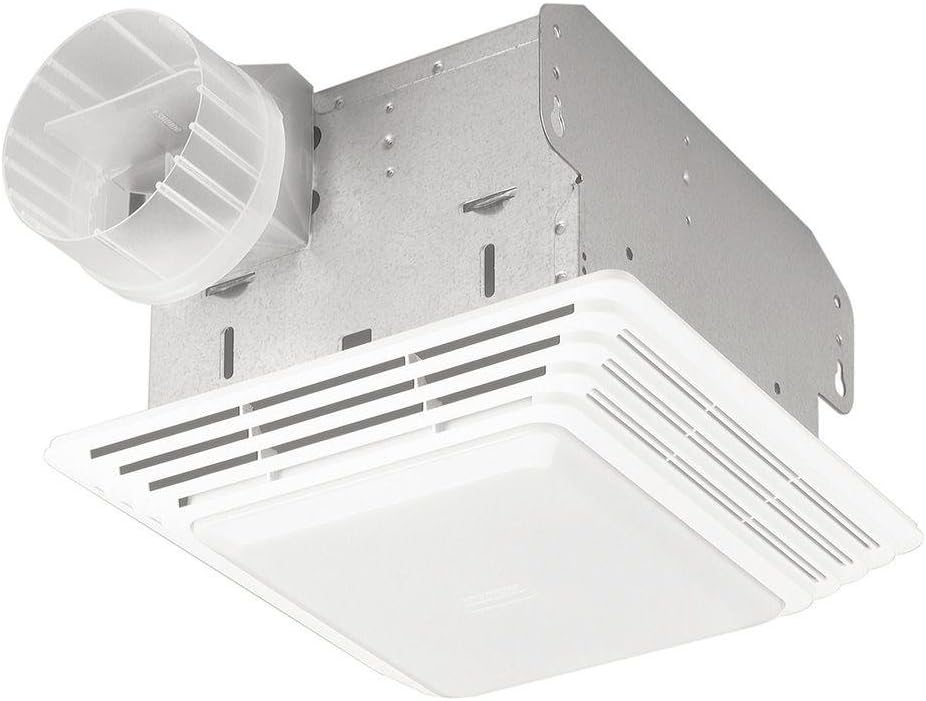
The fan must discharge outdoors
Venting into an attic, soffit cavity, or wall space transfers moisture into concealed materials. Ducts should terminate outdoors through an appropriate hood with a functioning damper.
Duct layout affects performance
Long runs, sharp bends, crushed flexible duct, poor support, and loose joints reduce airflow and collect condensation. Smooth, short, insulated ducts generally perform better when permitted by the assembly.
Sizing and run time
Capacity is matched to room size, ceiling height, fixtures, and duct resistance. Timers, humidity controls, or running the fan after bathing can improve moisture removal.
Electrical and cleaning safety
Turn power off before accessible cleaning. Fans in wet locations and circuits near bathrooms must use appropriate equipment and protection. Noise, overheating, and failed dampers deserve service.
What inspectors check
Inspectors operate accessible fans, observe airflow clues, and identify visible attic discharge, damaged ducts, missing covers, noise, or moisture evidence when accessible.
Frequently asked questions
Can a home inspection confirm every hidden condition?
No. A standard inspection is visual and non-invasive. Accessible evidence is documented, and further specialist evaluation is recommended when needed.
Should repairs be completed before closing?
Timing depends on the condition, contract, risk, and qualified estimates. Safety and active water concerns deserve prompt attention.
Related resources