
Practical homeowner guide
Common Air Conditioner Problems in South Florida Homes
Recognize warning signs, understand inspection limits, and know when an HVAC contractor should evaluate cooling, drainage, or electrical concerns.
Low airflow, dirty filters, blocked returns, duct leakage, thermostat problems, equipment faults, or refrigerant issues can reduce cooling. Large temperature differences between rooms may also reflect duct design or building-envelope conditions.
Water and condensate problems
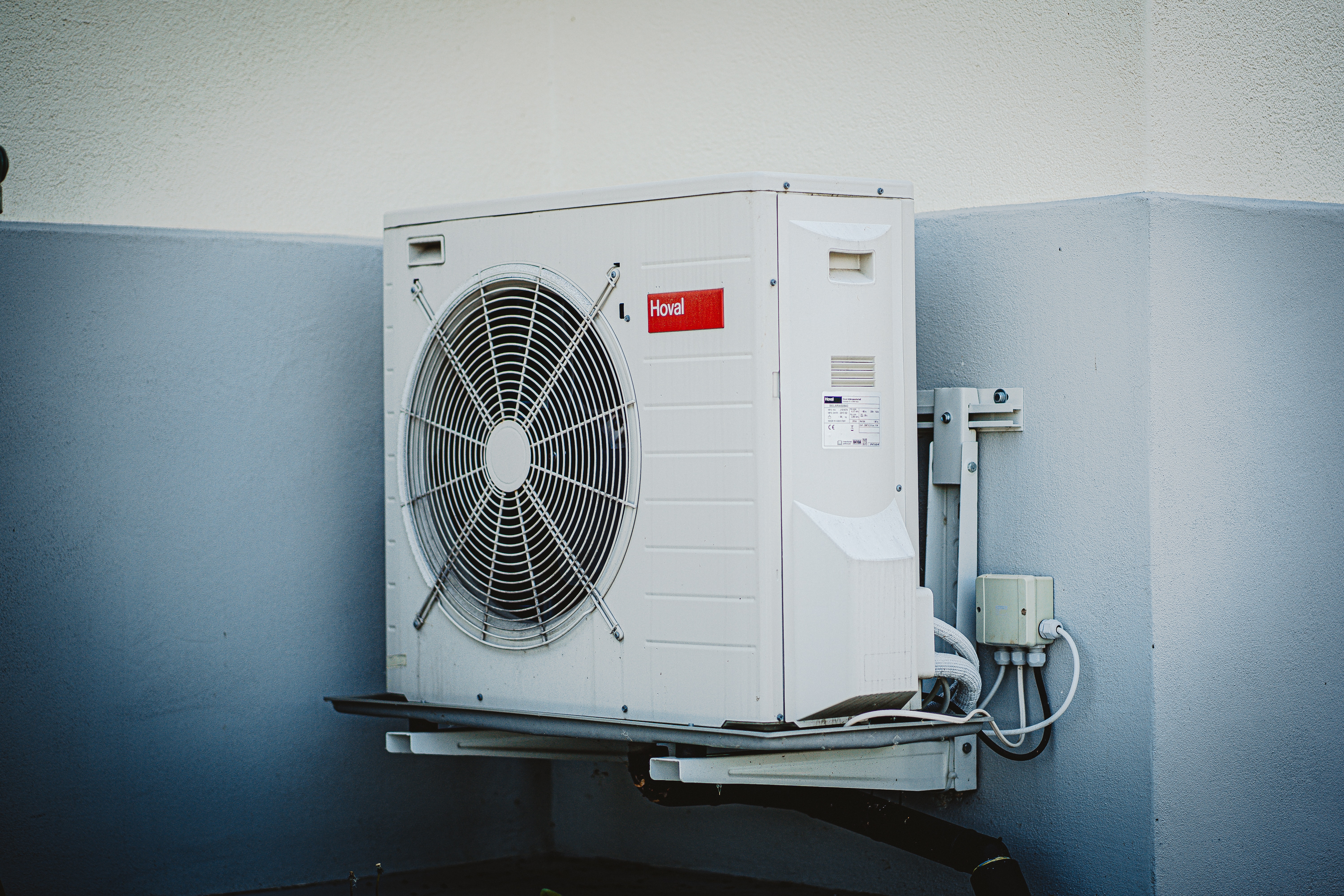
Air conditioners remove substantial moisture in Florida. Clogged drains, damaged pans, missing protection, poor slope, or uninsulated piping can cause leakage and microbial growth. Water near equipment should be addressed promptly.
Noise, cycling, and odors
Grinding, rattling, short cycling, burning odors, or persistent mustiness are warning signs. Turn the system off if operation appears unsafe and have a qualified contractor diagnose the cause.
Electrical and refrigerant safety
Disconnects, breakers, wiring, capacitors, and refrigerant circuits require trained service. Homeowners should not open energized compartments, bypass protection, or handle refrigerant.
Age versus condition
Manufacture date is useful context, but maintenance, installation, exposure, and operating history affect service life. An older system may operate on inspection day while still carrying a higher near-term repair or replacement risk.
What a home inspection covers
Inspectors operate accessible equipment under normal controls when conditions allow and document observed performance and visible defects. They do not dismantle equipment or guarantee future operation; specialist service may be recommended.
Frequently asked questions
Can a home inspection confirm every hidden condition?
No. A standard inspection is visual and non-invasive. Accessible evidence is documented, and further specialist evaluation is recommended when needed.
Should repairs be completed before closing?
Timing depends on the condition, contract, risk, and qualified estimates. Safety and active water concerns deserve prompt attention.
Related resources