Electrical Service Disconnects: Purpose, Defects, and Safety
A service disconnect provides a way to shut off power to a building or major electrical equipment. Its location, rating, condition, and labeling matter during emergencies and maintenance.
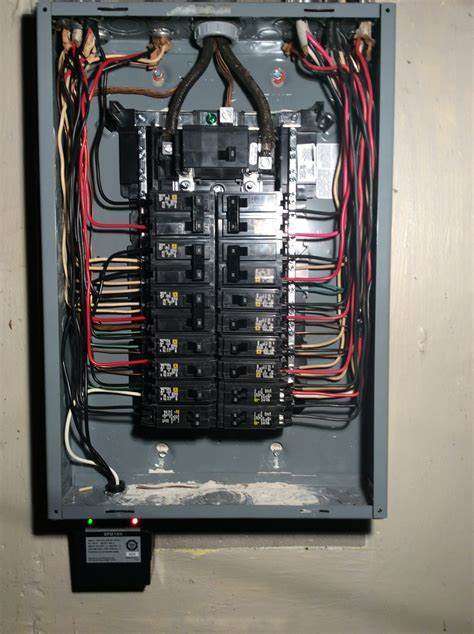
The main service disconnect is typically located at or near the point where electrical service enters the building, though configurations vary. Additional disconnects may serve air-conditioning equipment, generators, solar systems, subpanels, or separate structures. These devices must remain accessible and suitable for their intended use.
What the disconnect does
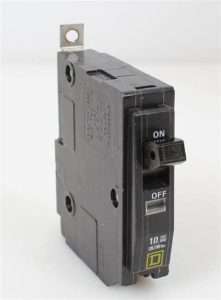
A disconnect opens the circuit so downstream equipment can be de-energized for emergencies, maintenance, or service. It may be a breaker, fused switch, safety switch, or part of listed service equipment.
Turning off a disconnect does not make every conductor inside the enclosure safe. Supply-side components can remain energized and present shock or arc-flash hazards.
Location and access
The disconnect should be readily accessible and not blocked by storage, landscaping, appliances, or construction. Exterior equipment should be suitable for weather exposure and remain securely mounted.
Unclear locations and missing labels can delay emergency response. Homeowners should know which device controls the building and avoid storing items in required working space.
Rating and overcurrent protection
The equipment rating must be appropriate for the service or load. Fuses and breakers provide overcurrent protection, while some disconnects only isolate power and rely on separate protective devices.
Incorrect fuse sizes, damaged breakers, missing filler plates, and mismatched equipment require professional evaluation. Labels and manufacturer instructions determine permitted configurations.
Corrosion, heat, and physical damage
Water intrusion, coastal air, loose connections, age, and overheating can damage enclosures and internal components. Rust streaks, white or green deposits, scorching, melted insulation, and buzzing are warning signs.
Do not operate visibly damaged equipment. An electrician may need to replace components and correct the moisture source, damaged conduit, failed hub, or other entry point.
Multiple power sources
Solar arrays, generators, batteries, and transfer equipment can supply power even when the utility disconnect is off. Clear placards and coordinated disconnecting means are important for occupants and emergency responders.
System-specific shutdown procedures should come from the installer or manufacturer. Never assume one switch de-energizes every source.
Upgrades and replacement
Service upgrades may involve utility coordination, permits, grounding and bonding, meter equipment, conductors, panels, and load calculations. Replacing only the visible switch may not address the complete system.
A licensed electrician can determine whether equipment is obsolete, damaged, undersized, improperly installed, or incompatible with planned additions such as EV charging or major appliances.
Warning signs that deserve prompt attention
- Rust, water entry, scorching, or melted parts
- Loose, damaged, or missing covers
- Blocked access or missing identification
- Buzzing, arcing, or unusual heat
- Improvised wiring or mismatched components
What a home inspection can document
A home inspector visually reviews accessible service and disconnect equipment and may identify damage, corrosion, clearance problems, labeling concerns, or questionable installation. Covers are not removed when unsafe conditions exist.
A visual inspection cannot predict every failure or replace evaluation by the appropriately licensed contractor. It can identify visible concerns, explain why they matter, and help buyers and homeowners plan qualified follow-up.
Need a clearer picture of the property?
GGR Home Inspections provides clear, photo-documented inspections across Miami-Dade, Broward, Palm Beach, and St. Lucie counties.