Electrical Safety Guide
30-Amp Wire Size: What South Florida Homeowners Should Know
A 30-amp circuit needs conductors, overcurrent protection, terminals, and installation conditions that work together safely. The familiar short answer is often 10-gauge copper, but the correct answer depends on the equipment, distance, conductor material, temperature rating, and applicable code.
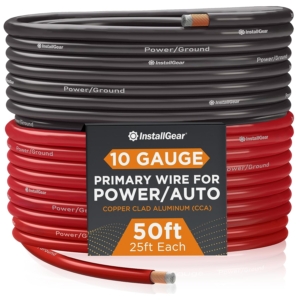
For many common residential installations, a 30-amp branch circuit uses 10 AWG copper conductors. That is a useful starting point—not permission to choose wire from amperage alone. Long runs, aluminum conductors, high ambient temperatures, bundled cables, and equipment-specific instructions can change the design.
What wire is commonly used for a 30-amp circuit?
Ten-gauge copper is commonly associated with 30-amp circuits in homes. Some installations may use larger conductors to address voltage drop or other conditions. Aluminum conductors generally require a larger size than copper and compatible terminals. A licensed electrician should confirm the final conductor type and size.
Where 30-amp circuits are found
Home inspectors may encounter 30-amp circuits serving electric dryers, water heaters, recreational-vehicle receptacles, air-conditioning equipment, well equipment, and other dedicated loads. These are not interchangeable applications. A dryer circuit, for example, can have different conductor and receptacle requirements from an RV connection or an HVAC disconnect.
Five factors that can change the answer
1. Copper or aluminum conductors
Copper and aluminum have different electrical and installation characteristics. Connections must be listed for the conductor material, prepared correctly, and tightened to the manufacturer’s specifications.
2. Circuit length and voltage drop
Resistance increases as a conductor run gets longer. An electrician may specify a larger conductor for a long run so equipment receives adequate voltage and operates reliably.
3. Insulation and terminal temperature ratings
Wire insulation can carry a temperature designation, but the allowable circuit ampacity is also limited by the ratings of terminals and connected equipment. The highest number printed on a wire chart is not automatically the allowable value for every installation.
4. Ambient heat and grouped conductors
Hot attics, rooftops, raceways containing multiple current-carrying conductors, and other conditions can require adjustments. These factors are especially relevant in South Florida.
5. Equipment instructions and local requirements
Air-conditioning equipment and other appliances usually provide minimum circuit ampacity and maximum overcurrent protection information on their nameplates. Those instructions, the adopted electrical code, and the actual installation all matter.
What inspectors look for
- A breaker or fuse that is appropriate for the circuit and equipment.
- Conductors that appear properly sized and protected.
- Damage, overheating, corrosion, loose connections, or improper splices.
- Compatible breaker and panel components.
- Appropriate grounding, bonding, receptacles, disconnects, and covers.
- Evidence that a circuit has been altered without proper evaluation.
A home inspection is visual and non-invasive. When conditions suggest an unsafe or nonstandard installation, the report may recommend evaluation by a licensed electrician.
Common 30-amp circuit mistakes
Frequent concerns include undersized conductors, oversized breakers, double-tapped terminals not designed for two conductors, missing strain relief, damaged insulation, incompatible replacement breakers, and using a receptacle that does not match the intended equipment. Extension cords and adapters are not substitutes for a properly designed permanent circuit.
30-amp wire size FAQ
Is 12-gauge copper acceptable for a 30-amp breaker?
Not for a typical general 30-amp branch circuit. Twelve-gauge copper is normally associated with lower-amperage protection. Specialized equipment rules can be complex, so have the complete installation evaluated instead of relying on wire gauge alone.
Can I use 8-gauge wire on a 30-amp circuit?
A larger conductor may be used in some situations, provided the terminals accept it and the installation complies with applicable requirements. Larger wire does not justify increasing the breaker size.
Does a 30-amp circuit always need a neutral?
No. Whether a neutral is required depends on the load and equipment. Grounding and neutral conductors serve different purposes and should not be treated as interchangeable.
Should a home inspector calculate conductor ampacity?
An inspector identifies visible concerns and reports conditions that warrant specialist evaluation. Final circuit design and code calculations belong with a qualified electrician.
Related electrical guides
Concerned about a home’s electrical system?
GGR Home Inspections provides thorough home inspections throughout South Florida. We document visible electrical concerns so you can make informed decisions and bring in a licensed electrician when needed.
Serving South Florida
Miami-Dade, Broward, and Palm Beach Counties
305-908-7050