

Practical homeowner guide
Leaking Water-Heater Relief Valve: Safe Next Steps
Understand why a TPR valve may discharge, what not to do, and when a plumber should evaluate pressure, expansion, or overheating.
A leaking temperature-and-pressure relief valve is a safety warning, not a drain to plug. Water may be escaping because the valve is worn, the system pressure is too high, thermal expansion is not controlled, or the water heater is overheating.
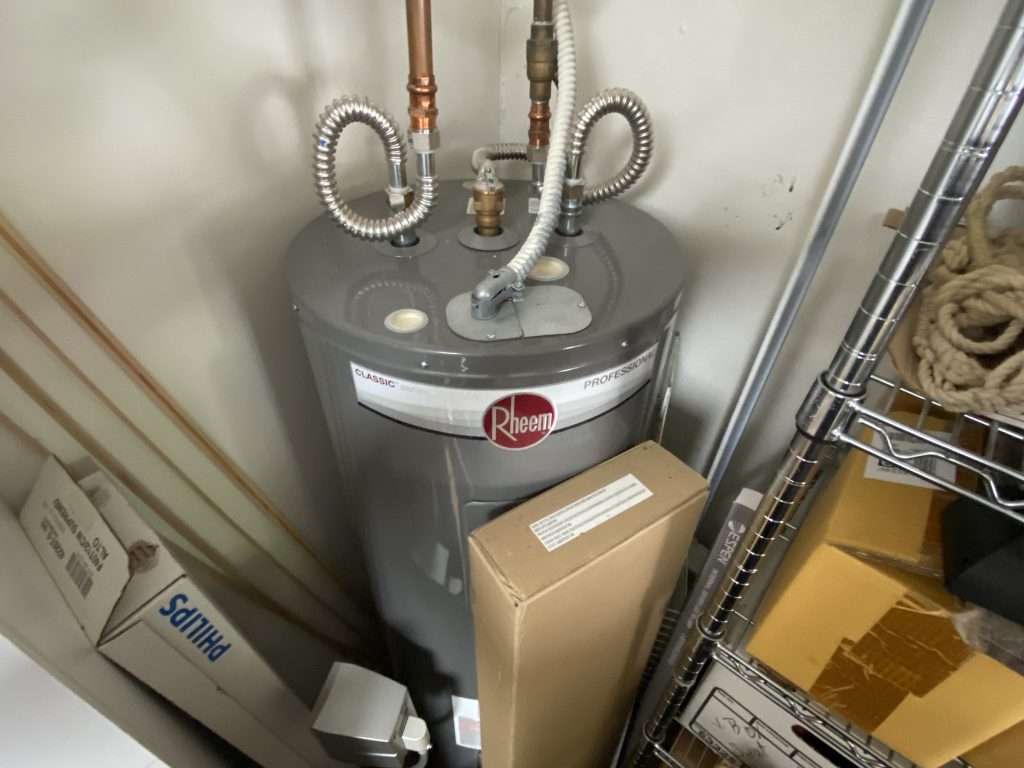
Why a relief valve may leak
- Debris or a worn seal: mineral scale can keep the valve from reseating.
- High supply pressure: excessive house pressure can cause intermittent discharge.
- Thermal expansion: heated water expands, and a closed plumbing system may need a properly sized expansion tank.
- Overheating: thermostat or control failure can create a dangerous temperature condition.
- Improper replacement: the valve must be rated for the specific water heater.
What the discharge pattern can suggest
Occasional drips after a heating cycle may point toward pressure or thermal expansion. Continuous leakage may indicate a damaged valve or persistent pressure problem. A forceful release can signal overheating or excessive pressure. These patterns are clues, not a diagnosis.
Safe next steps
- Keep people away from the discharge outlet.
- Do not operate the test lever repeatedly to “flush” the valve.
- Note whether leakage occurs during heating cycles or continuously.
- Have a plumber measure static and dynamic pressure and evaluate thermal expansion.
- Replace a defective valve only with a correctly rated component.
Discharge-pipe defects inspectors often find
- Pipe missing, capped, reduced, or improperly routed.
- Threaded fitting or valve installed at the outlet.
- Termination where discharge could injure someone or damage the building.
- Pipe sloping upward, trapped, corroded, or made from unsuitable material.
- Termination not readily visible.
Frequently asked questions
Can I tighten the valve to stop the leak?
No. The safety valve is not a normal shutoff and should not be altered or blocked.
Does a leaking valve always mean the water heater is failing?
No. The cause may be pressure, expansion, debris, or the valve itself. The heater and plumbing system need evaluation.
Should I test the lever?
Manufacturer instructions vary, and an older valve may not reseat after testing. Follow the water-heater instructions or have a plumber perform the check.
Related resources

Pingback: Steps For Draining A Water Heater (2023 Guide) - GGR Home Inspections