

Practical homeowner guide
Water Heater Noises: Causes, Safety, and Inspection Clues
Popping, rumbling, ticking, or sizzling can point to sediment, water movement, loose components, or an active leak. The sound and timing help narrow the next safe step.
Popping, rumbling, ticking, or sizzling can point to sediment, water movement, loose components, or an active leak. The sound and timing help narrow the next safe step.
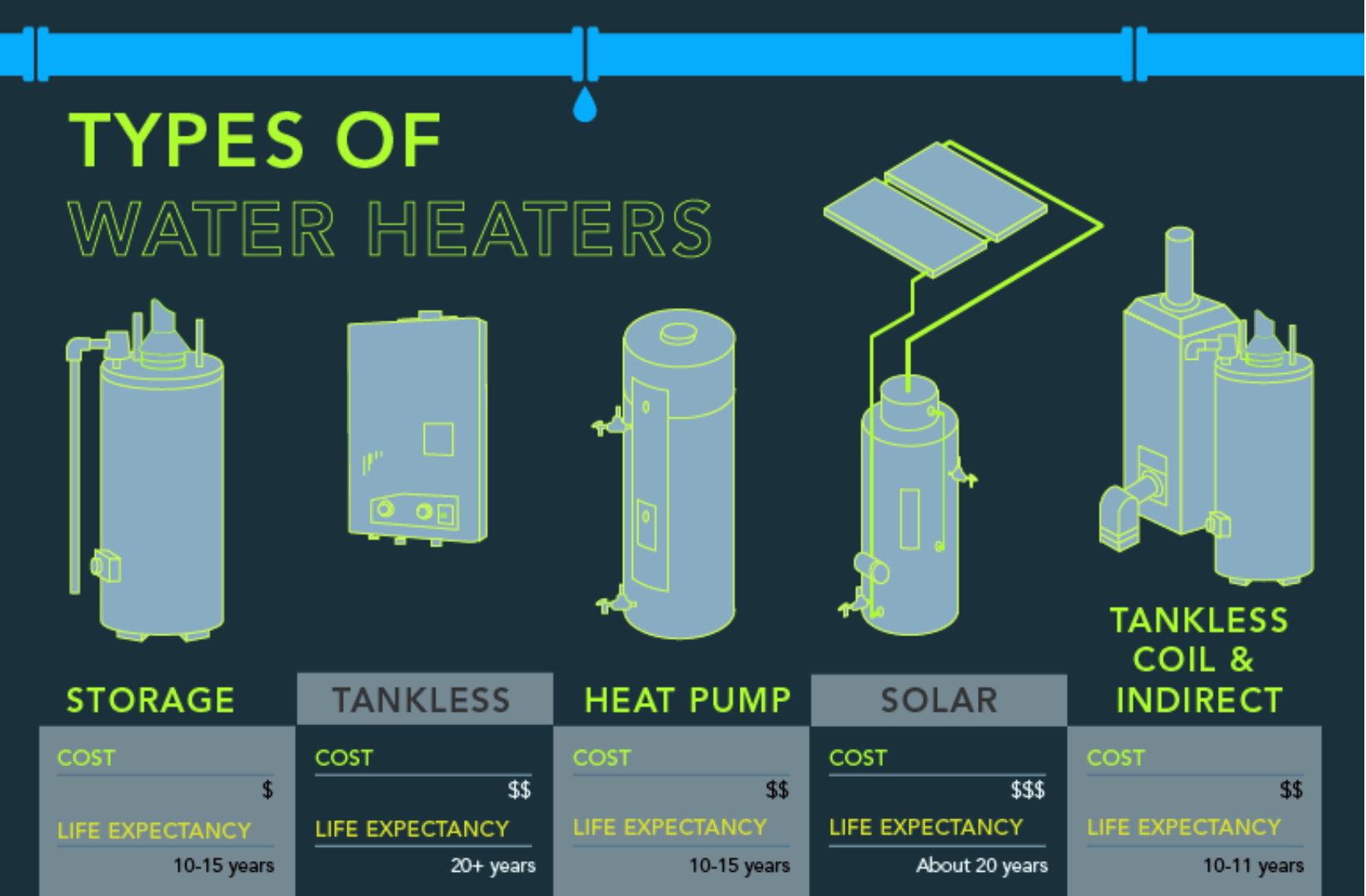
Match the sound to the likely condition
Popping or rumbling in a storage tank often develops when minerals collect near the bottom and water bubbles through the sediment. Ticking may come from heat-trap fittings or normal expansion. Sizzling near a gas burner can indicate condensation or water reaching a hot surface.
Begin with safe observations
Note whether the noise occurs during heating, after a faucet closes, or continuously. Look from a safe distance for moisture, corrosion, staining, a damaged drain pan, or discharge at the temperature-and-pressure relief piping. Do not remove covers or work around energized wiring or gas controls.
Sediment and maintenance
Mineral accumulation can reduce efficiency and shorten equipment life. Flushing may be appropriate for some tanks, but neglected or heavily corroded equipment can leak after disturbance. Follow the manufacturer’s instructions and use a licensed plumber when the history or condition is uncertain.
When the sound needs prompt service
Shut the system down safely and seek help for an active leak, scorching, gas odor, repeated relief-valve discharge, severe vibration, or loss of hot water. Never cap a relief pipe or defeat a safety control.
What a home inspector evaluates
A visual home inspection reviews accessible installation, energy source, shutoffs, venting, relief piping, drainage provisions, visible corrosion, leakage, and operation within the inspection scope. Internal tank condition is not visible.
Frequently asked questions
Can a home inspection confirm every hidden condition?
No. A standard inspection is visual and non-invasive. Accessible evidence is documented, and further specialist evaluation is recommended when needed.
When should a specialist be called?
Seek qualified help when there is an active safety concern, water intrusion, uncertain installation, specialized testing need, or repair beyond ordinary homeowner maintenance.
Related resources

Pingback: Steps For Draining A Water Heater (2023 Guide) - GGR Home Inspections
Pingback: Best Tankless Water Heaters: Everything You Need to Know Before Buying - GGR Home Inspections