
Split-Bus Electrical Panels: Identification and Safety Concerns
A split-bus panel divides service disconnecting among multiple breakers instead of using one modern main breaker.
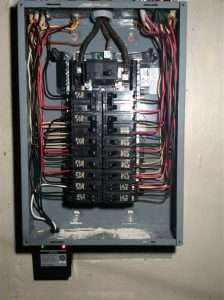
Split-bus panels were installed in many mid-century homes. Configuration, condition, labeling, modifications, and available capacity matter more than age alone.
How to recognize one
Large upper breakers typically feed major loads and a lower lighting section. Service shutdown may require operating several breakers.
Labels and manufacturer diagrams help confirm the design.
Common concerns
Added circuits, mismatched breakers, double tapping, corrosion, heat damage, missing covers, and obsolete components may be present.
Some panels are difficult to insure or service even when no immediate defect is visible.
Upgrade planning
An electrician can evaluate load, service size, grounding and bonding, conductors, meter equipment, and permit requirements.
Replacement should address the complete system rather than only the enclosure.
Warning signs to address
- Scorching or melted parts
- Rust or water intrusion
- Mismatched protective devices
- Unclear service disconnects
What a home inspection can document
An inspector can document accessible panel configuration and visible defects. Capacity calculations and upgrade design require a licensed electrician.
A visual inspection cannot predict every failure or replace evaluation by the appropriately licensed specialist. It can identify visible concerns, explain why they matter, and help owners plan qualified follow-up.
Need a clearer picture of the property?
GGR Home Inspections provides clear, photo-documented inspections across Miami-Dade, Broward, Palm Beach, and St. Lucie counties.

Pingback: Federal Pacific Electrical Panel Can Be Dangerous (2023 Guide) - GGR Home Inspections