Septic Drain Fields: Maintenance, Failure Signs, and Protection
A drain field disperses treated septic effluent into suitable soil, so loading, drainage, roots, and routine tank service directly affect its performance.
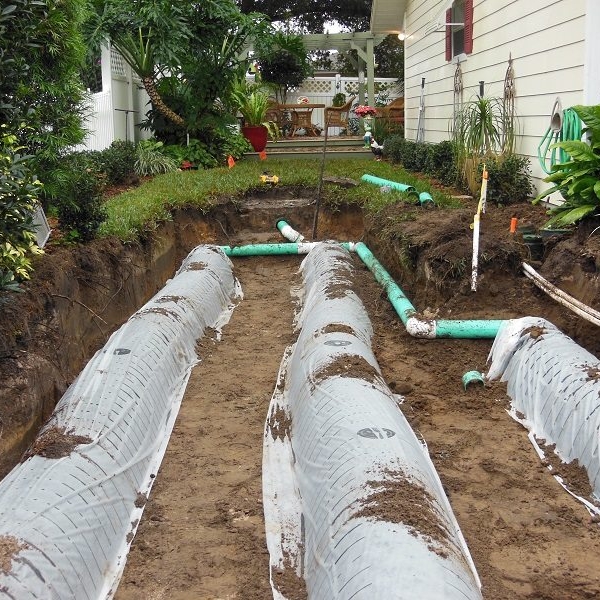
The drain field is a concealed part of the onsite wastewater system. Protecting it starts with controlling what enters the tank and preventing surface conditions that saturate or damage the soil.
How the field works
Effluent leaves the septic tank and moves through distribution piping into the surrounding soil. Soil provides final treatment and dispersal.
Hydraulic overload, solids carryover, compacted soil, or a high water table can reduce absorption.
Protect the area
Keep vehicles, structures, patios, pools, and deep-rooted trees away from the field. Direct roof and yard drainage elsewhere.
Spread laundry and high-water-use activities across the week instead of creating sudden surges.
Maintain the complete system
Pump and inspect the tank on a schedule suited to occupancy, tank size, and professional findings. Repair leaking fixtures and conserve water.
Keep records showing tank location, pumping, repairs, permits, and prior evaluations.
Warning signs to address
- Slow drains or sewage backups
- Wet, spongy, or unusually green soil
- Wastewater odors outdoors
- Surfacing effluent near the field
What a home inspection can document
An inspector can document visible site conditions and readily observable warning signs. Tank opening, pumping, flow testing, and drain-field diagnosis require a septic specialist.
A visual inspection cannot predict every failure or replace evaluation by the appropriately licensed specialist. It can identify visible concerns, explain why they matter, and help owners plan qualified follow-up.
Need a clearer picture of the property?
GGR Home Inspections provides clear, photo-documented inspections across Miami-Dade, Broward, Palm Beach, and St. Lucie counties.