Smoke Alarm Batteries: Testing, Replacement, and Safety
Reliable smoke alarms depend on correct placement, compatible batteries or power supplies, regular testing, clean sensors, and replacement at the manufacturer’s stated age.
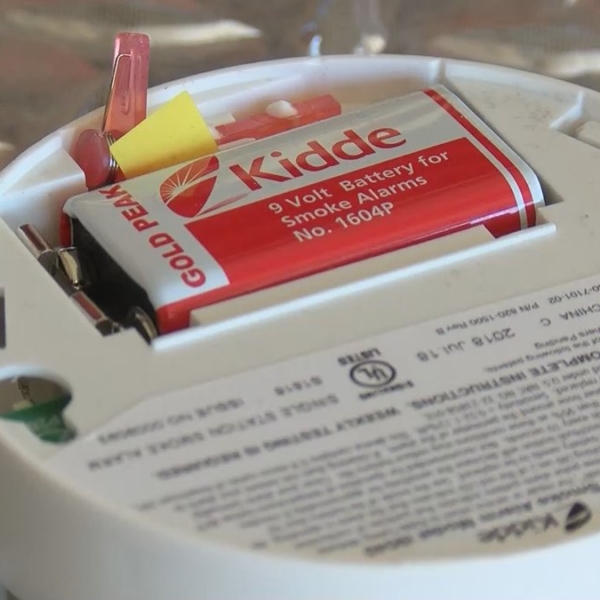
Some alarms use replaceable batteries, some use sealed long-life batteries, and many hardwired alarms include battery backup. Use only the type specified for the model.
Testing and replacement
Use the test button according to the manufacturer’s instructions and replace batteries on the recommended schedule.
After replacement, verify that the alarm resets and sounds normally.
Alarm age and placement
Sensors do not last forever. Check the manufacture or replacement date and replace the unit when required.
Follow applicable placement rules near sleeping areas, on levels, and away from locations that create nuisance alarms.
Interconnection and power
Hardwired or wireless interconnected alarms help occupants hear an alarm throughout the home.
Electrical faults, painted devices, missing units, and mixed incompatible systems need qualified correction.
Warning signs to address
- Alarm will not test
- Missing or painted device
- Persistent chirping
- Expired manufacture date
What a home inspection can document
An inspector can test accessible alarms when appropriate and document placement or visible defects. Alarm design and electrical repair require qualified professionals.
A visual inspection cannot predict every failure or replace evaluation by the appropriately licensed specialist. It can identify visible concerns, explain why they matter, and help owners plan qualified follow-up.
Need a clearer picture of the property?
GGR Home Inspections provides clear, photo-documented inspections across Miami-Dade, Broward, Palm Beach, and St. Lucie counties.