Drum Traps vs. P-Traps: Identification and Common Problems
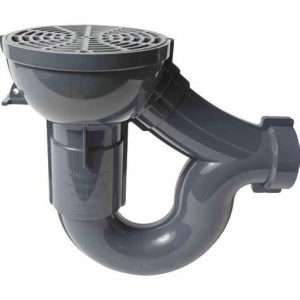
A drum trap is an older plumbing fitting that holds water to block sewer gas, but its large chamber can collect debris and make cleaning or venting difficult.
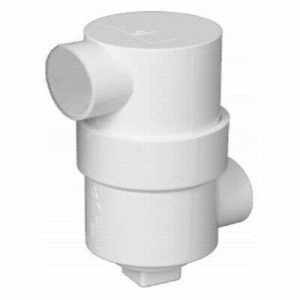
Drum traps may remain in older homes, especially near tubs. Their condition, access, venting, leakage, and local acceptance matter.
How drum traps work
The chamber retains a water seal while wastewater exits through a higher outlet. Solids and hair can settle in the body.
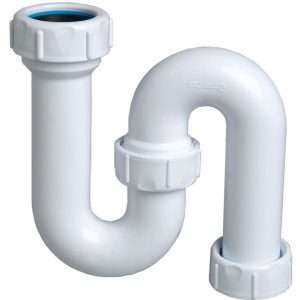
A P-trap uses a curved, self-scouring path and is generally easier to inspect and service.
Common concerns
Slow drainage, corrosion, inaccessible covers, improper venting, leakage, and lost water seals can occur.
Prior remodels may leave abandoned or concealed fittings in poor condition.
Repair and replacement
A plumber can evaluate access, venting, fixture connections, and locally accepted replacement methods.
The goal is reliable drainage and a protected trap seal—not simply faster flow.
Warning signs to address
- Slow or recurring tub drain
- Sewer-gas odor
- Corroded trap body or cover
- Leakage below the fixture
What a home inspection can document
An inspector can document visible trap type, leakage, corrosion, and drainage behavior. Concealed configuration and code compliance require plumber evaluation.
A visual inspection cannot predict every failure or replace evaluation by the appropriately licensed specialist. It can identify visible concerns, explain why they matter, and help owners plan qualified follow-up.
Need a clearer picture of the property?
GGR Home Inspections provides clear, photo-documented inspections across Miami-Dade, Broward, Palm Beach, and St. Lucie counties.