Low Water Pressure at a Bathroom Sink: Causes and Checks
Low flow at one bathroom faucet often points to an aerator, shutoff, supply tube, cartridge, or localized debris problem rather than whole-house pressure.
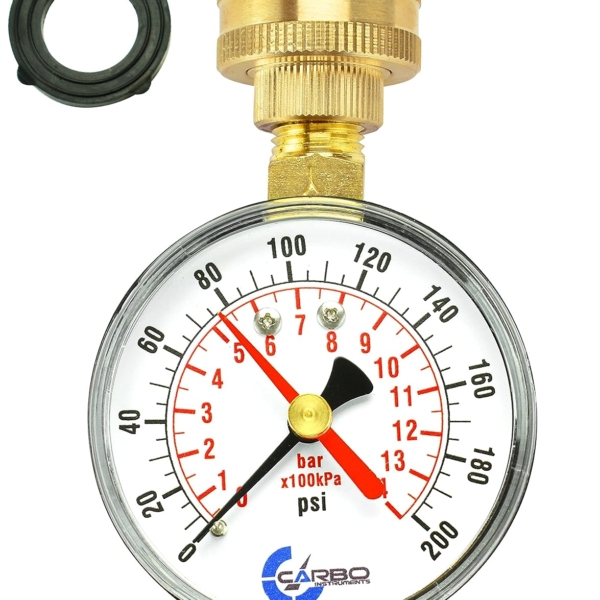
First compare hot and cold flow and check other fixtures. That pattern helps separate a faucet problem from a broader supply or pressure issue.
Start at the faucet
Remove and inspect the aerator only when it can be done safely. Mineral scale or debris may restrict both hot and cold flow.
A clogged cartridge can affect one handle, one temperature, or the full faucet.
Check below the sink
Verify that shutoff valves are open and supply tubes are not kinked. Older valves may begin leaking when operated.
Corrosion, flexible-hose damage, or debris released during plumbing work can reduce flow.
Consider system-wide causes
If multiple fixtures are affected, evaluate the main shutoff, pressure regulator, water service, filters, leaks, and municipal conditions.
Very high or unstable pressure also requires correction.
Warning signs to address
- Leak at shutoff or supply tube
- Sudden whole-house pressure loss
- Corroded or swollen piping
- Unequal hot and cold flow
What a home inspection can document
An inspector can compare fixture flow and document visible valves, leaks, corrosion, and pressure concerns. Detailed diagnosis may require a plumber.
A visual inspection cannot predict every failure or replace evaluation by the appropriately licensed specialist. It can identify visible concerns, explain why they matter, and help owners plan qualified follow-up.
Need a clearer picture of the property?
GGR Home Inspections provides clear, photo-documented inspections across Miami-Dade, Broward, Palm Beach, and St. Lucie counties.