Air-Conditioner Lifespan in South Florida: Signs and Planning
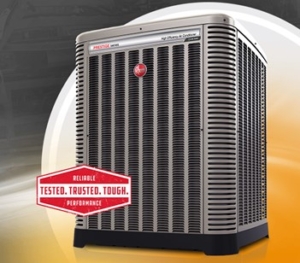
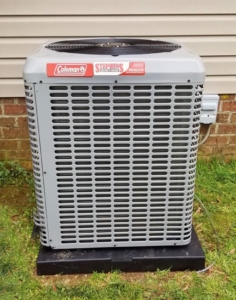
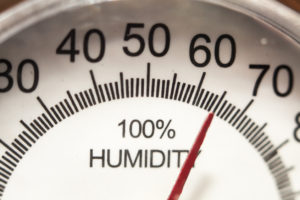
Heat, humidity, salt exposure, installation quality, drainage, maintenance, and operating hours can make South Florida HVAC equipment age differently from national averages.
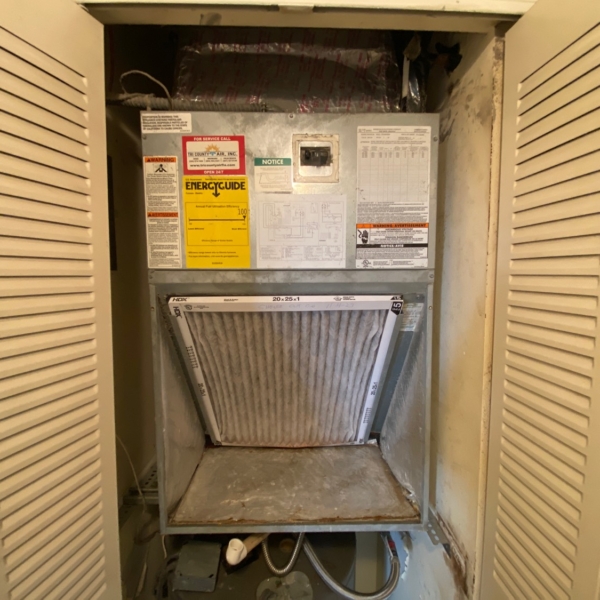
Age is only one part of replacement planning. Condition, efficiency, refrigerant type, repair history, comfort, moisture control, and parts availability also matter.
What shortens service life
Corrosion, dirty coils, restricted airflow, clogged drains, poor refrigerant charge, electrical stress, and inadequate installation can accelerate wear.
Coastal exposure and continuous cooling demand deserve special attention.
Signs replacement may be near
Frequent repairs, rising energy use, uneven temperatures, excessive noise, poor humidity control, and unavailable parts can change the repair-versus-replace decision.
One symptom does not prove failure, but patterns matter.
Plan before an emergency
Keep model, serial, service, warranty, and repair records. Budget for equipment, permits, electrical work, ducts, drainage, and code-required upgrades.
Compare properly sized systems and qualified contractors rather than relying only on price.
Warning signs to address
- Weak or uneven cooling
- Corrosion or oil staining
- Frequent drain backups
- Repeated electrical or refrigerant repairs
What a home inspection can document
An inspector can document accessible equipment condition, temperature response, drainage, visible corrosion, and operating concerns. Detailed performance diagnosis requires HVAC service.
A visual inspection cannot predict every failure or replace evaluation by the appropriately licensed specialist. It can identify visible concerns, explain why they matter, and help owners plan qualified follow-up.
Need a clearer picture of the property?
GGR Home Inspections provides clear, photo-documented inspections across Miami-Dade, Broward, Palm Beach, and St. Lucie counties.