Florida Moisture-Control Guide
Best Dehumidifiers for Basements: A Practical Buying Guide
The best dehumidifier is not simply the model with the largest number on the box. It must match the space, drainage options, temperature, and source of the moisture.
South Florida homes may not have traditional below-grade basements, but the same advice applies to enclosed lower levels, storage rooms, converted garages, and other damp spaces. A properly selected dehumidifier can improve comfort and reduce condensation. It cannot repair a roof leak, plumbing leak, drainage problem, or uncontrolled water intrusion.
Start With the Moisture Source
Before buying equipment, look for active leaks, staining, standing water, condensation, musty odors, and damp materials. Correcting the source is more important than continuously collecting water from the air. Significant water entry or visible microbial growth may require qualified evaluation and remediation.
What Size Dehumidifier Do You Need?
Capacity is commonly expressed as pints of moisture removed per day under standardized test conditions. The right size depends on more than floor area:
- Room volume: Ceiling height changes the amount of air being treated.
- Moisture load: A slightly humid room differs from one with wet walls or recurring seepage.
- Air movement: Closed doors and divided rooms limit circulation.
- Temperature: Performance can decline in cooler spaces, and frost-control capability may matter.
- Drainage: Continuous drainage often matters more than extra rated capacity.
Use the manufacturer’s current sizing chart as a starting point, then choose for the actual conditions. Avoid relying on older online product lists because models, ratings, and testing standards change.
Portable, Crawl-Space, or Whole-Home?
Portable Units
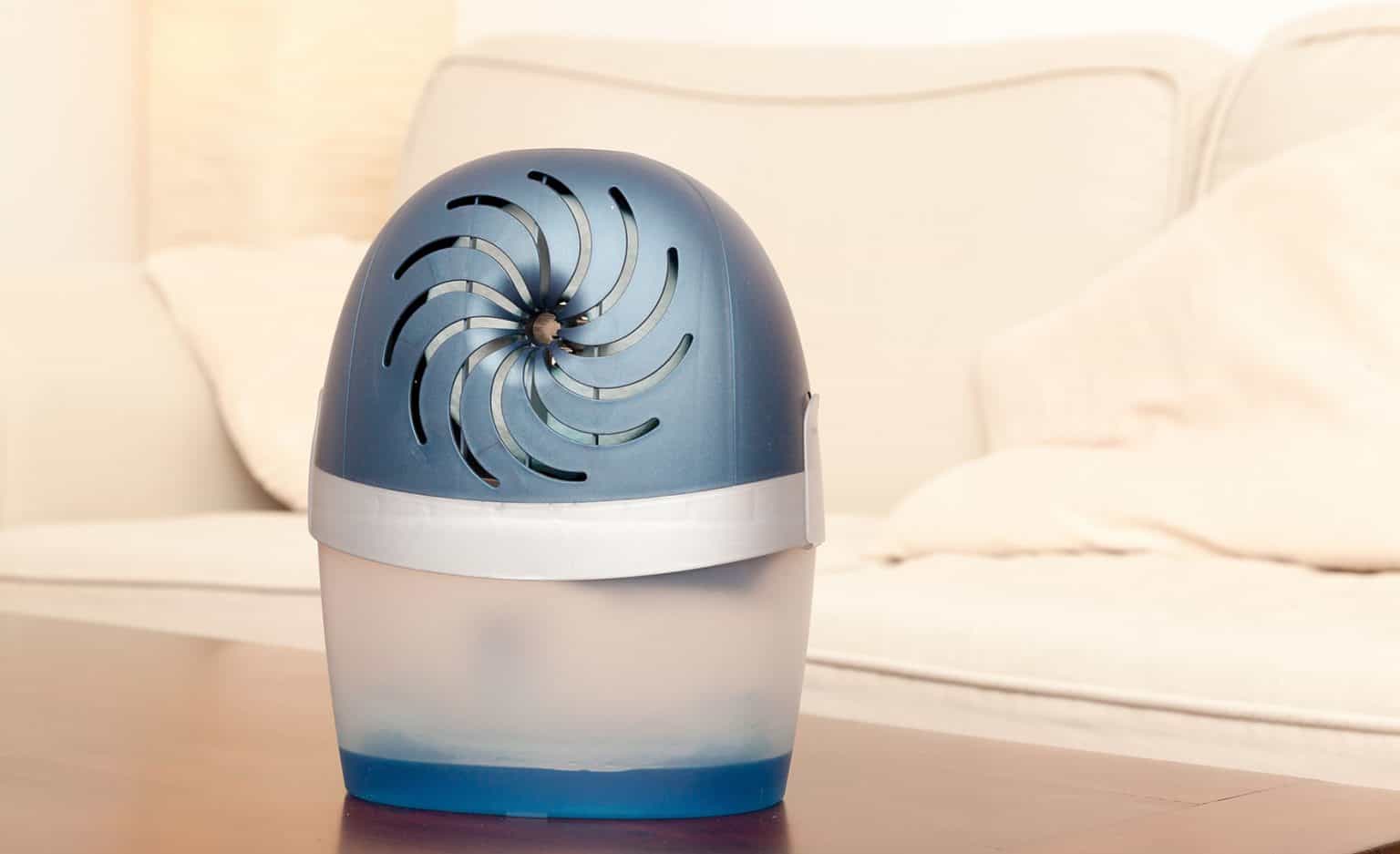
Portable dehumidifiers suit a room or modest enclosed area. Look for an accessible filter, humidistat, automatic restart, full-bucket shutoff, and a hose connection. They are easy to relocate but need clearance and routine cleaning.
Low-Profile or Crawl-Space Units
Purpose-built units can fit tighter areas and support permanent drainage. Installation details—including electrical supply, condensate routing, service access, and ducting—should follow the manufacturer’s instructions.
Whole-Home Units
A ducted dehumidifier can control moisture across a larger area and operate independently of normal cooling cycles. Proper design is important; an HVAC professional should evaluate airflow, controls, drainage, and compatibility with the existing system.
Features Worth Prioritizing
- Automatic humidity control: Cycles the unit toward a selected target instead of running continuously.
- Continuous drain option: Reduces the chance of a full bucket stopping operation.
- Condensate pump: Useful when gravity drainage is unavailable.
- Automatic defrost: Helps protect operation in cooler conditions.
- Washable or replaceable filter: Simplifies maintenance.
- Automatic restart: Restores settings after a power interruption.
- Recognized efficiency certification: Helps compare energy use among current models.
Humidity Targets for Florida Homes
A practical indoor target is generally around 30% to 50% relative humidity, while keeping it below 60% helps limit conditions that support mold growth. Exact comfort and condensation conditions vary. Use a separate hygrometer to verify the room rather than relying only on the unit’s display.
Drainage and Electrical Safety
Place the unit on a stable surface with the clearances required by its manufacturer. Keep the plug and cord dry, use a properly grounded receptacle, and do not use an undersized extension cord. Route drain hoses with continuous fall when using gravity drainage, secure the discharge point, and inspect the hose for clogs or kinks.
A dehumidifier that repeatedly trips a breaker, leaks, develops ice, produces a burning odor, or has a damaged cord should be turned off and evaluated. Do not increase breaker size or bypass a safety device.
Maintenance That Protects Performance
- Clean or replace the air filter on the manufacturer’s schedule.
- Wash and dry the collection bucket to limit buildup.
- Inspect the drain hose and pump discharge.
- Vacuum accessible intake and exhaust grilles with the unit unplugged.
- Confirm that stored items have not blocked airflow.
- Check the room with an independent humidity meter.
When a Dehumidifier Is Not the Fix
Call for professional help when there is active water intrusion, recurring staining, visible growth, soft or damaged building materials, sewage contamination, or unexplained high humidity that continues despite normal equipment operation. The solution may involve drainage, roofing, plumbing, air sealing, insulation, ventilation, or HVAC repairs.
What an Inspector Can Identify
During a visual home inspection, the inspector may document accessible signs of moisture, staining, condensation, drainage concerns, ventilation limitations, and conditions conducive to damage. A standard inspection does not include destructive testing, mold identification, or engineering design, but it can help a buyer understand when specialist follow-up is appropriate.
Bottom Line
Choose a dehumidifier by room conditions, drainage, temperature, serviceability, and verified efficiency—not a dated “top five” list. Most importantly, correct liquid-water sources before expecting portable equipment to solve the problem.
Schedule a South Florida Home Inspection
GGR Home Inspections evaluates accessible moisture-related conditions during a comprehensive inspection. Call 305-908-7050 or schedule online.
Continue Learning