South Florida HVAC Maintenance Guide
How Often Should an HVAC System Be Serviced?
Most residential HVAC systems should receive professional maintenance at least once each year. In South Florida’s long cooling season, many homeowners schedule service twice yearly or follow the more frequent interval specified by the equipment manufacturer.
Air-conditioning equipment in South Florida works through extended heat, humidity, salt air, and heavy rainfall. Regular maintenance cannot prevent every failure, but it can identify developing problems, support efficient operation, and reduce the chance of an avoidable interruption during peak cooling season.
Recommended HVAC Service Frequency
A common baseline is one professional maintenance visit each year. Twice-yearly service—often before the hottest months and again after the most demanding part of the cooling season—can be appropriate for heat pumps, older systems, heavily used equipment, coastal properties, or systems with a history of drainage and humidity problems.
The equipment manual and written warranty control. Some manufacturers require documented maintenance at specific intervals. A service contract does not automatically preserve warranty coverage; keep invoices and confirm the actual terms for the installed model.
Why South Florida Systems May Need More Attention
- Long cooling season: compressors, blowers, and condensate systems operate for more hours.
- High humidity: clogged drains and poor moisture removal can lead to leakage or microbial growth.
- Salt and coastal exposure: metal components and condenser coils can corrode faster.
- Heavy vegetation and storms: leaves, landscaping, and windblown debris can restrict outdoor airflow.
- Construction dust or pets: filters and indoor coils may load more quickly.
What Professional HVAC Maintenance May Include
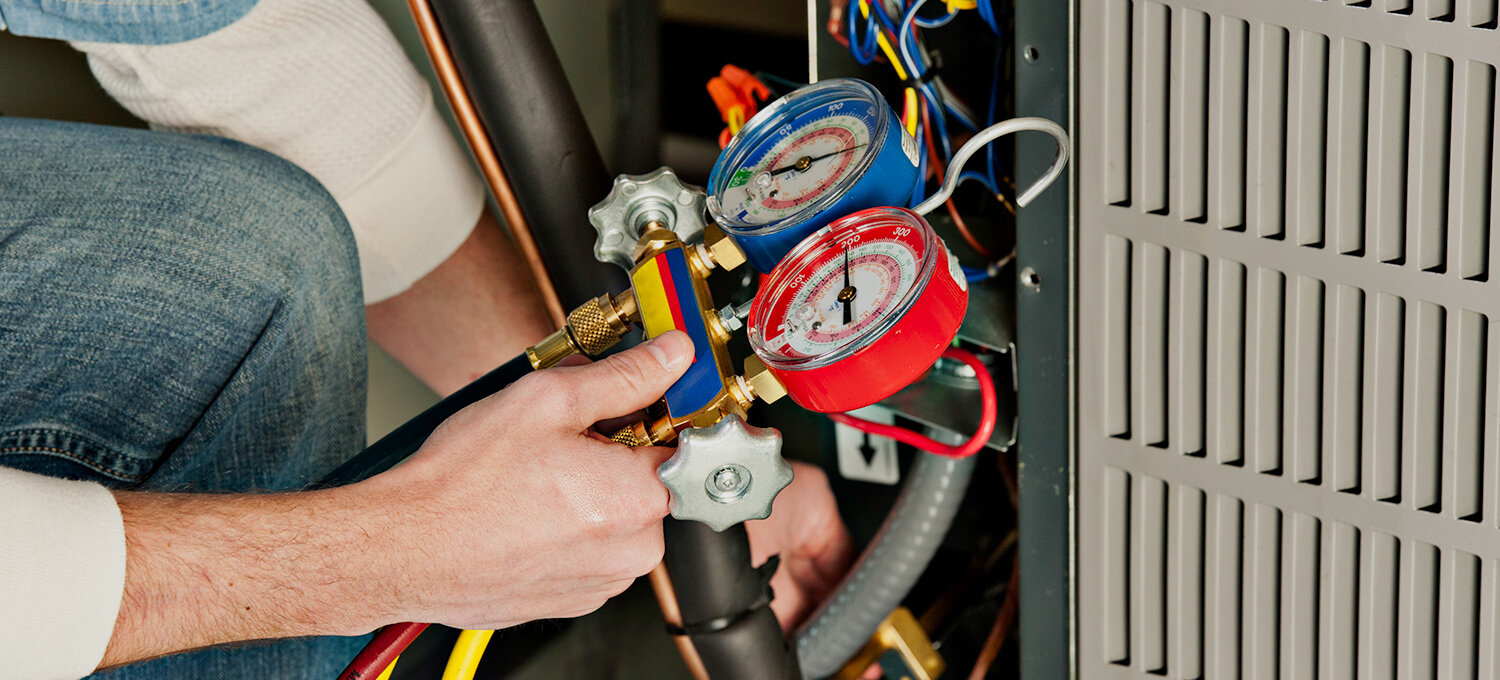
The exact scope varies by system and service provider. A qualified technician may inspect accessible electrical components, refrigerant lines, blower operation, temperature performance, condensate drainage, coils, thermostat operation, and visible duct or cabinet conditions.
Maintenance can also include cleaning approved components, tightening accessible connections, clearing the condensate drain, replacing a filter, and checking manufacturer-specific operating data. Refrigerant should not be added as routine maintenance without evaluating why charge is low.
How Often Should the HVAC Filter Be Changed?
There is no universal replacement interval. Filter type, size, system runtime, pets, smoke, renovation dust, and indoor-air needs all matter. Inspect the filter monthly at first and replace or clean it according to the manufacturer’s instructions and its actual condition.
A higher-efficiency filter is not always better for an existing system. A filter that creates excessive airflow resistance can reduce performance. Use a size and rating approved for the equipment, and ask an HVAC contractor before making a major filter change.
Safe Maintenance Homeowners Can Perform
- Keep the outdoor unit clear of leaves, storage, and vegetation without bending coil fins.
- Inspect and replace the air filter as required.
- Keep supply registers and return grilles open and unobstructed.
- Watch for water near the indoor unit or condensate termination.
- Use normal thermostat settings and replace thermostat batteries when applicable.
- Check the outdoor unit visually after severe weather.
Do not open energized equipment, handle refrigerant, bypass safety devices, or attempt internal electrical repairs. Turn the system off and obtain professional service when there is smoke, arcing, a burning odor, exposed wiring, significant leakage, or unusual mechanical noise.
Warning Signs That Should Not Wait
- The system does not cool or repeatedly shuts off.
- Water is leaking from the air handler, ceiling, or drain pan.
- Airflow is weak, uneven, or suddenly reduced.
- New grinding, rattling, buzzing, or squealing sounds appear.
- A burning, musty, or chemical odor persists.
- Ice develops on refrigerant lines or the indoor coil.
- Energy use rises sharply without a clear weather or occupancy change.
- The breaker trips or electrical components show heat damage.
HVAC Maintenance vs. a Home Inspection
During a buyer home inspection, the inspector operates the HVAC system using normal controls when conditions permit and observes accessible equipment, drainage, distribution, and visible installation concerns.
A home inspection is not a tune-up and does not include dismantling equipment, cleaning coils, measuring refrigerant charge, or predicting remaining service life. An HVAC contractor should evaluate older equipment, abnormal operation, deferred maintenance, active defects, or concerns that require specialized testing.
Frequently Asked Questions
Is annual HVAC service enough in Florida?
Annual service is a common minimum. Twice-yearly maintenance may be reasonable for heavily used, older, coastal, or heat-pump systems. Follow the equipment instructions and technician recommendations based on actual condition.
Should both heating and cooling be checked?
Yes. Heat pumps provide both functions, and auxiliary heat or separate heating equipment should be checked safely before it is needed.
Can maintenance guarantee that the system will not fail?
No. Maintenance can improve reliability and identify concerns, but mechanical and electrical components can still fail without warning.
Does an old system automatically need replacement?
No. Age is one planning factor. Condition, performance, repair history, efficiency, refrigerant type, availability of parts, and replacement cost should be considered together.
Schedule a South Florida Home Inspection
GGR Home Inspections evaluates accessible HVAC components as part of a comprehensive home inspection. Call 305-908-7050 or schedule online.
Continue Learning