
Common Florida Roof Types: Materials, Lifespan, and Inspection
Roof material, design, installation, exposure, and maintenance all influence how a roof performs in Florida heat, rain, humidity, and wind.
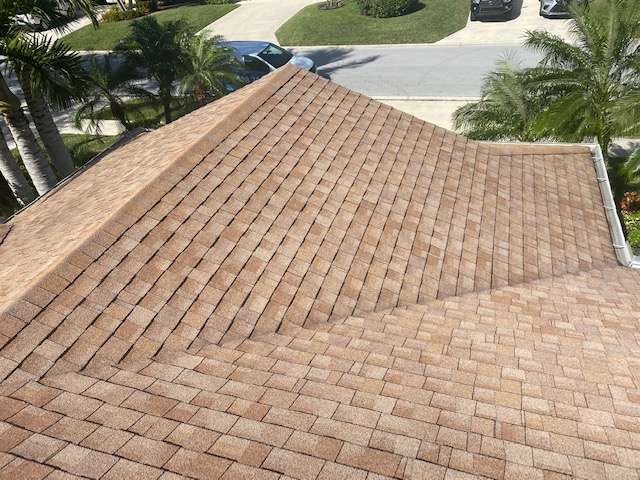
Florida homes use asphalt shingles, concrete or clay tile, metal panels, and low-slope membrane systems. Each has different fastening, flashing, drainage, repair, and maintenance considerations. An advertised lifespan is not a promise; actual service life depends on installation quality, ventilation, storm history, foot traffic, surrounding trees, and timely repair.
Asphalt shingle roofs
Asphalt shingles are common because they are widely available and comparatively economical. Inspectors look for missing or lifted tabs, cracking, granule loss, exposed fasteners, poor repairs, and installation defects around edges and penetrations.
Heat, inadequate ventilation, storm exposure, and foot traffic can accelerate wear. Isolated damage does not always require full replacement, but widespread deterioration or active leakage should be evaluated by a roofer.
Concrete and clay tile roofs
Tile can provide durable weather protection, but tiles may crack, slip, or break from impact and foot traffic. The waterproofing underlayment beneath the tile is a critical part of the assembly and can age even when the visible tiles appear serviceable.
Replacement tiles should match the system and be secured correctly. Mortar-only patches, exposed fasteners, displaced ridge pieces, and repeated cracked tiles can signal maintenance or installation concerns.
Metal roofing systems
Metal roofs may use exposed-fastener panels, concealed-fastener standing seams, or other profiles. Inspectors look for loose or backed-out fasteners, failed sealants, corrosion, damaged panels, improper penetrations, and vulnerable transitions.
Coastal exposure and incompatible metals can contribute to corrosion. Repairs should follow the specific manufacturer system rather than relying on broad applications of sealant.
Flat and low-slope roofs
Low-slope roofs commonly use modified bitumen, built-up roofing, TPO, PVC, or other membranes. Proper drainage is essential because prolonged ponding can stress seams, flashings, insulation, and roof decking.
Blisters, open seams, punctures, deteriorated coatings, blocked drains, and poorly detailed penetrations deserve attention. A roof can leak far from the interior stain because water may travel within the assembly.
Roof shape, drainage, and wind
Hip, gable, flat, and mixed roof shapes shed wind and water differently. Valleys, wall intersections, parapets, scuppers, gutters, and transitions concentrate drainage and are common maintenance locations.
Wind performance depends on the complete system, including deck attachment, roof-to-wall connections, edge details, and opening protection—not roof covering alone. Insurance documentation requires specific evidence and is limited to Miami-Dade, Broward, and Palm Beach counties.
Maintenance and documentation
Keep drains and gutters clear, trim damaging branches, repair loose components promptly, and document professional work. Permits, invoices, product approvals, and reroof records can help establish installation details and approximate age.
After a major storm, evaluate visible damage from the ground and arrange qualified review when needed. Do not climb onto a wet or compromised roof.
Warning signs that deserve prompt attention
- Missing, slipped, cracked, or lifted materials
- Open seams or failed flashing
- Interior staining or active leakage
- Ponding water or blocked drainage
- Corrosion, punctures, or repeated patching
What a home inspection can document
A home inspector documents visible roof covering, penetrations, flashings, drainage, and accessible attic evidence when safe and within scope. Concealed underlayment and fastening cannot be fully verified without destructive investigation.
A visual inspection cannot predict every failure or replace evaluation by the appropriately licensed contractor. It can identify visible concerns, explain why they matter, and help buyers and homeowners plan qualified follow-up.
Need a clearer picture of the property?
GGR Home Inspections provides clear, photo-documented inspections across Miami-Dade, Broward, Palm Beach, and St. Lucie counties.

Pingback: Modified Bitumen Roofs: Florida Life Expectancy – GGR Home Inspections
Pingback: Here’s How to Get Insurance to Pay for Roof Replacement – GGR Home Inspections
Pingback: Learn What Plumbing Vent Pipes On Roof Are For (2023 Guide) – GGR Home Inspections