
Prevent Dryer Vent Fires: Installation, Cleaning, and Warning Signs
Safe dryer performance depends on a clean lint screen, smooth metal duct, short supported route, clear exterior termination, and prompt response to overheating.
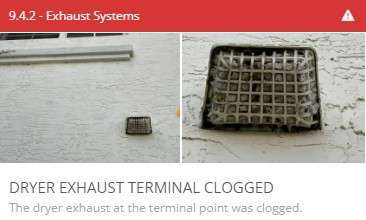
Lint is combustible, and restricted airflow raises appliance temperature and drying time. Problems often develop gradually inside concealed ducts.
Use safer duct materials
Avoid plastic and thin foil for permanent concealed routes. Smooth metal collects less lint and resists crushing.
Secure joints without fasteners that project into the airflow.
Keep the route efficient
Minimize length and bends, support the duct, and protect it from crushing behind the appliance.
The exterior hood should open freely and should not use a lint-trapping screen.
Clean and monitor
Clean the lint screen every load and arrange periodic duct cleaning based on use and conditions.
Long drying times, hot clothing, weak exterior airflow, and lint behind the dryer are warning signs.
Warning signs to address
- Burning odor or scorching
- Long drying cycles
- Crushed or disconnected duct
- Exterior damper does not open
What a home inspection can document
An inspector can document visible duct materials, routing, disconnection, and termination. Concealed lint accumulation requires specialized cleaning or testing.
A visual inspection cannot predict every failure or replace evaluation by the appropriately licensed specialist. It can identify visible concerns, explain why they matter, and help owners plan qualified follow-up.
Need a clearer picture of the property?
GGR Home Inspections provides clear, photo-documented inspections across Miami-Dade, Broward, Palm Beach, and St. Lucie counties.

Pingback: Dirty Dryer Vents Can Be Dangerous 2022 – GGR Home Inspections