How Long After Shocking a Pool Can You Swim?
The safe wait depends on the chemical used, dosage, circulation, water balance, and measured sanitizer level—not a single universal number of hours.
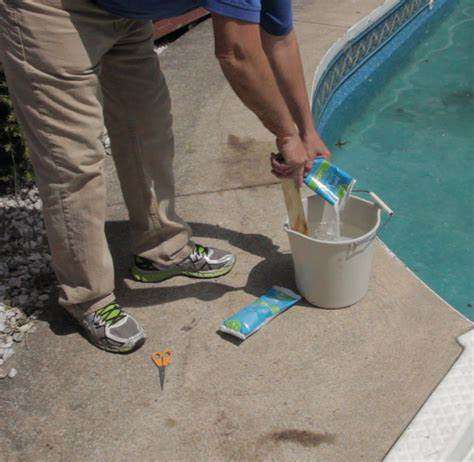
Pool shock raises sanitizer concentration to address contaminants or restore water quality. Swimmers should remain out until the product instructions are satisfied and testing confirms the water is within the safe operating range.
Check the product and dose
Calcium hypochlorite, sodium hypochlorite, dichlor, and non-chlorine treatments behave differently. The amount added and pool volume affect recovery time.
Record what was used and when; guessing can lead to unsafe re-entry.
Test before swimming
Measure free chlorine or the relevant sanitizer, pH, and water clarity using a reliable test method.
Do not enter when levels exceed the product’s stated range or when the pool is cloudy and the bottom is not visible.
Handle chemicals safely
Store chemicals dry, separated, labeled, ventilated, and away from children and incompatible products.
Use protective equipment and add products only as directed with the circulation system operating when required.
Warning signs to address
- Strong irritation or chemical odor
- Cloudy water or invisible drain
- Unknown chemical or dose
- Damaged storage containers
What a home inspection can document
A home inspector reviews visible pool components and safety conditions but does not certify water chemistry or determine chemical re-entry times.
A visual inspection cannot predict every failure or replace evaluation by the appropriately licensed specialist. It can identify visible concerns, explain why they matter, and help owners plan qualified follow-up.
Need a clearer picture of the property?
GGR Home Inspections provides clear, photo-documented inspections across Miami-Dade, Broward, Palm Beach, and St. Lucie counties.