
Weep Holes: Purpose, Locations, and Common Defects
Weep holes let trapped water drain from masonry walls, windows, and other assemblies instead of remaining behind finished surfaces.
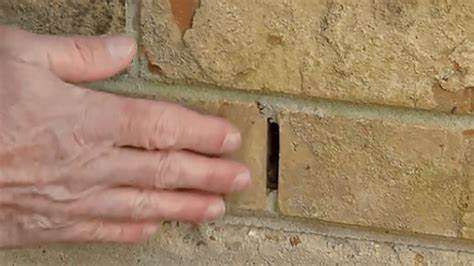
Water can enter exterior assemblies through wind-driven rain, small cracks, joints, and condensation. Proper flashing directs that moisture toward open drainage points.
Where weep holes are found
Common locations include brick veneer, window frames, retaining walls, and some stucco or masonry details. Their shape and spacing depend on the system.
An opening is useful only when concealed flashing and drainage paths are correctly installed.
Common problems
Mortar, paint, insects, debris, soil, mulch, and prior repairs can block openings. Missing flashing or openings placed below grade can also defeat drainage.
Moisture staining, efflorescence, rust, or interior damage may indicate that water is not leaving as intended.
Repair approach
Clear only confirmed weep paths using methods appropriate for the material. Correct grading, sealant, flashing, and wall defects that allow excessive water entry.
Repeated leakage deserves evaluation by a qualified building-envelope contractor.
Warning signs to address
- Blocked or painted openings
- Weeps buried by soil or mulch
- Efflorescence or rust staining
- Interior moisture near exterior walls
What a home inspection can document
An inspector can document visible weep openings, clearances, staining, sealant failure, and moisture evidence but cannot verify concealed flashing without invasive work.
A visual inspection cannot predict every failure or replace evaluation by the appropriately licensed specialist. It can identify visible concerns, explain why they matter, and help owners plan qualified follow-up.
Need a clearer picture of the property?
GGR Home Inspections provides clear, photo-documented inspections across Miami-Dade, Broward, Palm Beach, and St. Lucie counties.

Pingback: What Is A Lintel? Why Does It Matter? - GGR Home Inspections