Florida Plumbing Guide
Are S-Traps Still Used? What Florida Homebuyers Should Know
S-traps still appear in older and remodeled homes, but they are prohibited for new plumbing work because they can lose their protective water seal. Learn how to recognize the concern and what a qualified plumber may recommend.
Yes, S-traps are still found in South Florida homes—especially beneath sinks in older properties, additions, and do-it-yourself renovations. Their continued presence does not mean they are accepted for new installations. The current Florida Plumbing Code lists S-traps among prohibited trap configurations.
What Is an S-Trap?
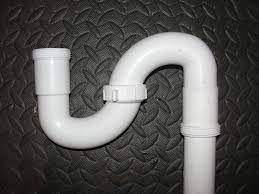
A fixture trap is the curved section of drainpipe beneath a sink, tub, shower, or other plumbing fixture. It retains a small amount of water called the trap seal. That water creates a barrier between the occupied home and the sanitary drainage system.
A properly vented P-trap has a horizontal trap arm that connects to a vented drainage line. An S-trap curves down again shortly after the trap, creating an S-like path. This arrangement can allow the draining water to siphon the trap seal away.
Why Are S-Traps Prohibited?
Section 1002.3 of the 2023 Florida Building Code, Plumbing identifies S-traps as prohibited. The problem is not simply the shape. It is the risk that the configuration can self-siphon and leave too little water in the trap.
If the trap seal is lost, sewer gases and odors can enter the room through the fixture drain. The code also regulates trap-seal depth and vent connections so the drainage system can operate without siphoning, backpressure, or excessive evaporation.
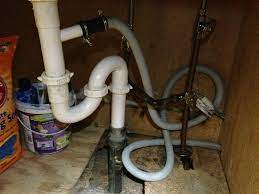
S-Trap vs. P-Trap
Both configurations include a curved trap that holds water. The key difference is what happens after the curve:
- P-trap: The trap outlet continues through a horizontal trap arm toward a properly vented drainage connection.
- S-trap: The outlet turns downward before an effective vent connection, increasing the potential for self-siphoning.
A pipe that looks like a P-trap is not automatically compliant. Trap-arm length, slope, pipe size, vent location, fittings, and concealed connections all affect whether the installation is properly vented.
Does an Existing S-Trap Have to Be Replaced?
A home inspection identifies visible conditions; it does not determine permit status or order code enforcement. An older installation may remain in place until it is altered, repaired, or addressed as part of a transaction. Requirements can depend on the scope of work, local enforcement, and permit history.
Homebuyers should treat an observed S-trap as a plumbing concern worth evaluating—not assume that it is harmless because it has been present for years. Odors, gurgling, an empty trap, leakage, corrosion, or amateur alterations increase the reason for prompt specialist review.
How Is an S-Trap Corrected?
The correct repair depends on the accessible piping and the building’s vent system. A licensed plumber may be able to reconnect the fixture to a properly vented branch, add an approved vent connection, or redesign part of the drain. In some allowed applications, a listed air admittance valve may be part of the solution, but it must be correctly sized, located, accessible, and installed under applicable code requirements.
Simply adding fittings, extending the horizontal pipe, or attaching a mechanical valve does not guarantee a compliant repair. Concealed drainage, vent routing, fixture-unit loading, and permit requirements should be evaluated before work begins.
Can a Handyman Replace an S-Trap?
Because a correction can involve rearranging drain and vent piping, it should be evaluated and completed by a properly licensed plumbing professional. Florida and local licensing or permit rules may limit who can perform the work. Avoid relying on a generic online video for a configuration that has not been diagnosed in person.
What a Home Inspector Looks For
During a buyer home inspection, visible plumbing observations may include:
- A trap outlet that turns downward into the floor before a visible vent connection.
- Unlisted or questionable air admittance valves.
- Loose joints, active leakage, corrosion, or improper materials.
- Gurgling, slow drainage, sewer-like odors, or changing fixture water levels.
- Double trapping, flexible accordion drains, or other amateur alterations.
The inspector cannot confirm every concealed connection or prove that a trap will never siphon. When the visible evidence is questionable, the report may recommend a licensed plumber, permit review, or further evaluation during the inspection period.
Frequently Asked Questions
Are S-traps illegal in Florida?
The 2023 Florida Plumbing Code lists S-traps as prohibited for code-compliant plumbing installations. Whether an existing condition must be corrected immediately depends on the circumstances, local authority, and any planned work.
Can an S-trap cause sewer odors?
Yes. If siphoning or evaporation reduces the trap seal, sewer-like odors can enter through the drain. Odors can also come from leaks, dry unused fixtures, failed wax seals, biofilm, or other drainage defects, so the source should be diagnosed.
Can I convert an S-trap to a P-trap myself?
The visible fittings are only part of the system. A compliant repair depends on the vent and drainage layout, which may be concealed. A licensed plumber should determine the appropriate correction and whether a permit is required.
Will an S-trap fail a home inspection?
A home inspection is not a pass-or-fail test. An inspector can document the visible S-trap and recommend further evaluation or correction. The buyer, seller, insurer, lender, and local authority make their own decisions.
Schedule a South Florida Home Inspection
GGR Home Inspections evaluates visible plumbing components and fixture drainage during a comprehensive buyer inspection. Call 305-908-7050 or schedule online.
Continue Learning