Practical homeowner guide
10 Practical Ways to Improve Energy Efficiency in a South Florida Home
Reduce cooling demand and wasted energy with targeted air sealing, HVAC care, window strategies, water-heating improvements, and better controls.
In South Florida, cooling and humidity control are major energy priorities. The best improvements reduce heat and moisture entering the home while helping the HVAC system operate as designed. Start with maintenance and low-cost corrections before buying expensive equipment.
1. Maintain the HVAC system
Use the correct filter, keep returns clear, clean outdoor-coil surroundings, and schedule service when performance declines or maintenance is due. Correct condensate and airflow problems promptly.
2. Seal obvious air leaks
Weatherstrip exterior doors and seal appropriate gaps around penetrations. Do not block intentional drainage, attic ventilation, appliance combustion air, or required clearances.
3. Control solar heat
Use exterior shading, blinds, curtains, and appropriate window products. Document impact protection separately; an energy-efficient window is not automatically hurricane-rated.
4. Review attic insulation and ducts
Missing insulation, disconnected ducts, damaged jackets, and attic air leakage can increase cooling demand. Duct repairs and insulation improvements should preserve access and ventilation.
5. Use thermostat schedules
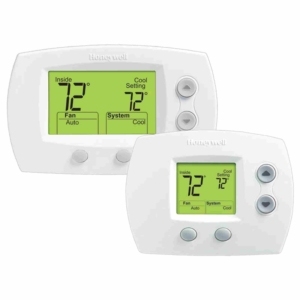
Choose realistic occupied and unoccupied settings. Large setbacks in humid weather can create comfort or moisture problems if recovery is slow.
6–7. Improve lighting and plug loads
Use efficient lamps where suitable, turn off unused equipment, and choose efficient replacements when appliances reach the end of service life. Avoid unsafe extension-cord arrangements.
8. Reduce water-heating waste
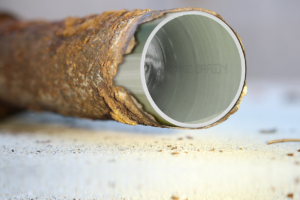
Repair hot-water leaks, use efficient fixtures, set equipment according to manufacturer guidance, and insulate suitable piping. Keep required clearances and safety controls accessible.
9. Improve pool efficiency
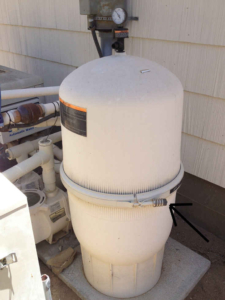
Use proper pump schedules, maintain filters, repair leaks, and consider efficient variable-speed equipment when replacement is justified.
10. Measure before major upgrades
An energy assessment can identify the strongest opportunities. Compare utility history, equipment condition, comfort complaints, incentives, warranties, and payback before committing.
Frequently asked questions
Should I replace windows first?
Not automatically. Air sealing, HVAC issues, ducts, and shading may offer better value depending on the home.
Does closing vents save energy?
Closing many vents can disrupt airflow and pressure. Have the system balanced professionally.
Will a larger air conditioner work better?
Oversizing can reduce moisture removal and comfort. Equipment should be properly sized.
Related resources