
Practical homeowner guide
Window Frame Materials: Performance, Maintenance, and Inspection
Compare common window-frame materials and the installation details that matter for heat, moisture, storm protection, and long-term service.
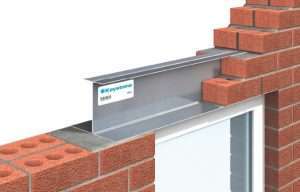
Glass, spacers, seals, drainage, fasteners, flashing, installation, and product approval all influence performance. A premium frame cannot compensate for poor integration with the wall.
Aluminum frames
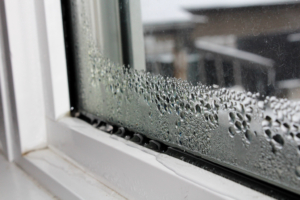
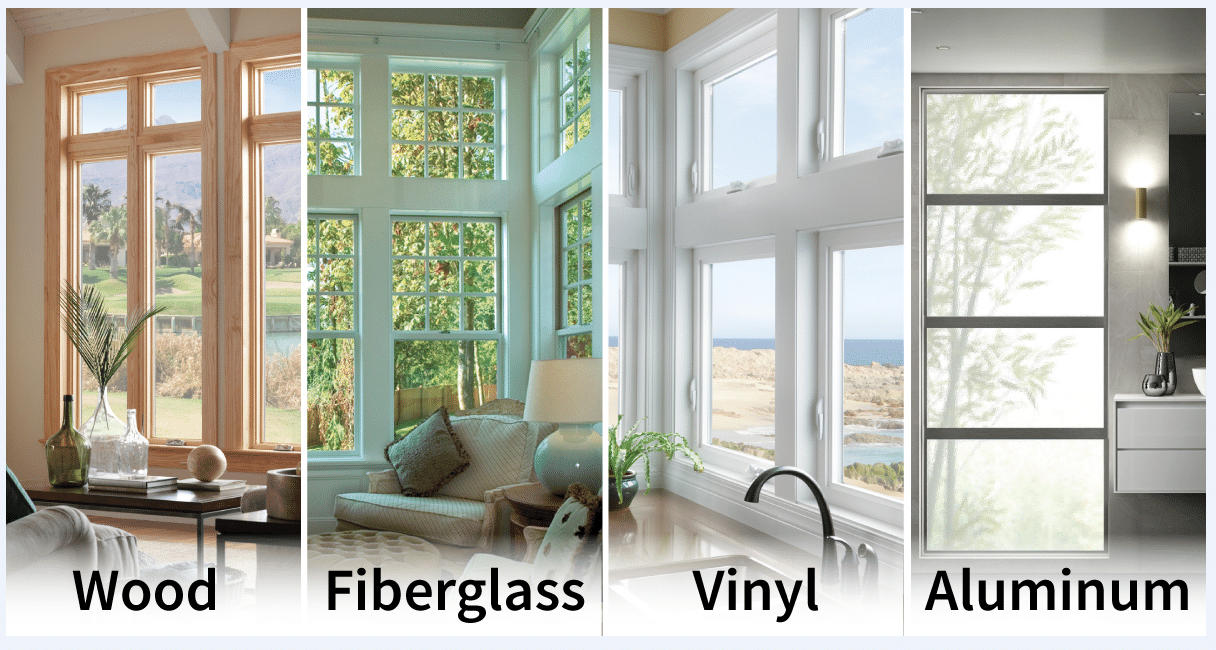
Aluminum is strong and common in Florida, but it conducts heat and can corrode in coastal exposure. Check finishes, fasteners, corners, drainage openings, and signs of condensation or leakage.
Vinyl and composite frames
These products can provide good thermal performance with low maintenance, but heat movement, reinforcement, dark colors, hardware, and manufacturer limitations matter. Distortion or failed seals can impair operation.
Wood and clad wood
Wood offers appearance and repairability but needs careful moisture control and maintenance. Cladding protects exterior surfaces, yet concealed decay can develop when joints or flashing leak.
Impact and code documentation
Frame material alone does not establish impact resistance. Verify labels, product approvals, glass, anchorage, opening size, and permit documentation for the complete assembly.
What inspectors report
Inspectors note operation, locks, damaged frames, corrosion, decay, fogging, failed sealant, leakage evidence, and missing safety features from accessible areas.
Frequently asked questions
Can a home inspection confirm every hidden condition?
No. A standard inspection is visual and non-invasive. Accessible evidence is documented, and further specialist evaluation is recommended when needed.
Should repairs be completed before closing?
Timing depends on the condition, contract, risk, and qualified estimates. Safety and active water concerns deserve prompt attention.
Related resources