
Practical homeowner guide
Essential Homeowner Tools for Safe Maintenance and Inspection
Build a practical tool kit for routine checks and small repairs while understanding which jobs require licensed or specialized help.
A tape measure, flashlight, spare batteries, small level, and non-contact thermometer help homeowners document conditions without dismantling systems.
Basic hand tools
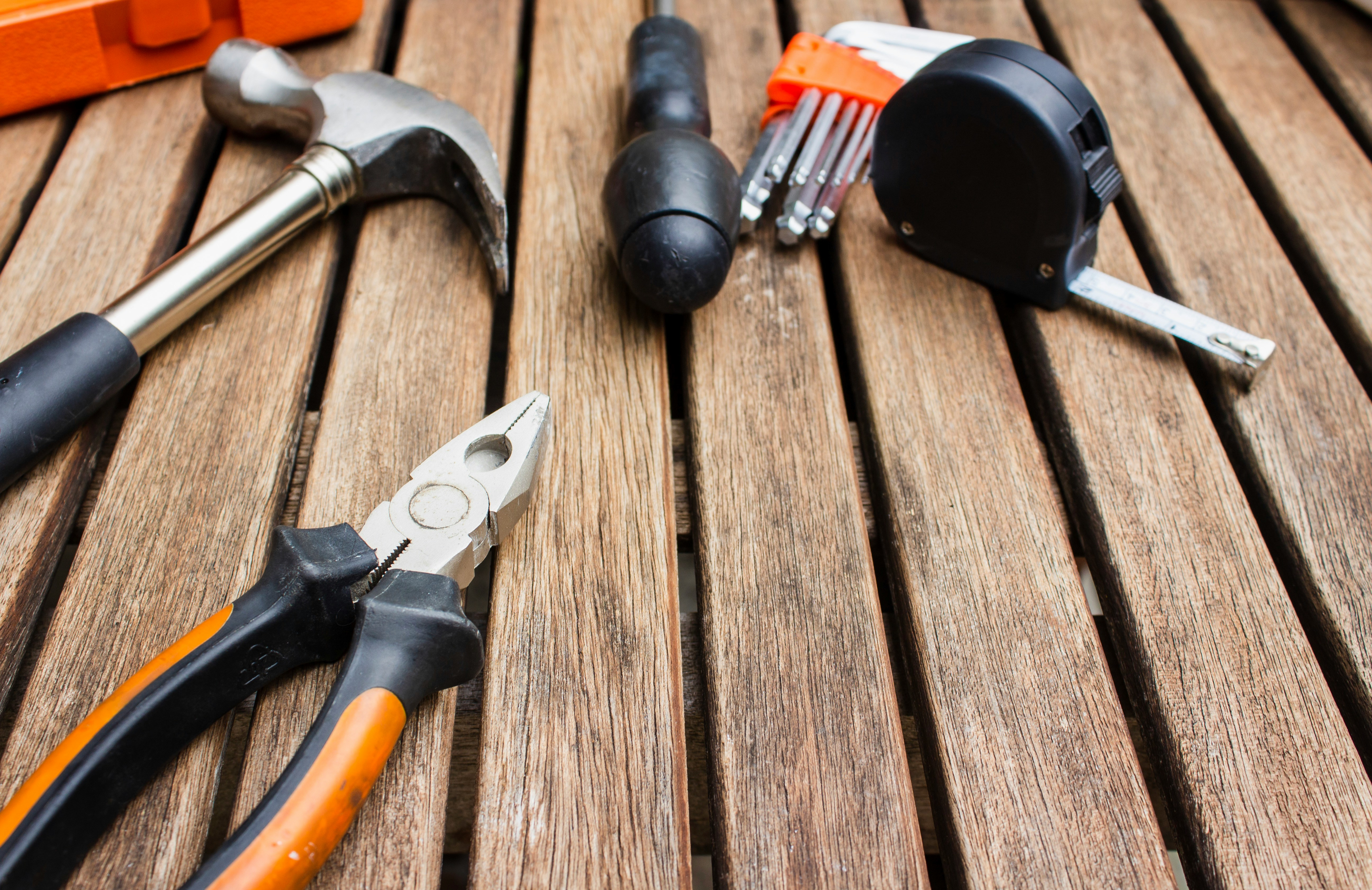
A quality screwdriver set, adjustable wrench, pliers, utility knife, hammer, and hex keys cover many furniture, hardware, and fixture tasks. Select the correct size to avoid damaged fasteners and fittings.
Safety equipment
Eye protection, gloves, hearing protection, dust masks appropriate to the task, and a stable ladder are more important than specialty gadgets. Never use a conductive ladder near electrical hazards.
Water and moisture checks
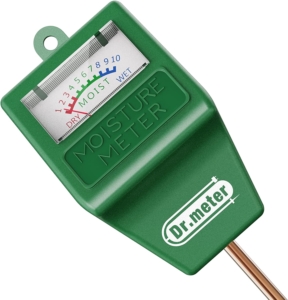
Absorbent towels, a bucket, simple hose washers, and a homeowner-grade moisture meter can help with early response. A meter reading is a clue, not a diagnosis, and should be interpreted with visible conditions.
Documentation tools
Use a phone or camera, labels, and a maintenance log to record filter sizes, shutoff locations, model numbers, repairs, and recurring symptoms. Clear records improve contractor estimates and future inspections.
Tools do not replace training
Do not open electrical panels, handle refrigerant, work on gas piping, walk unsafe roofs, or disturb suspect materials without appropriate qualifications and protection.
Frequently asked questions
Can a home inspection confirm every hidden condition?
No. A standard inspection is visual and non-invasive. Accessible evidence is documented, and further specialist evaluation is recommended when needed.
Should repairs be completed before closing?
Timing depends on the condition, contract, risk, and qualified estimates. Safety and active water concerns deserve prompt attention.
Related resources