
Stucco Cracks: When to Monitor, Seal, or Repair
Stucco cracks range from minor shrinkage to openings associated with water intrusion, corrosion, movement, or installation defects.
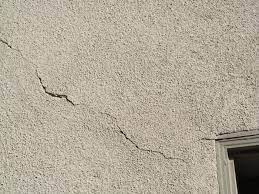
The crack pattern, width, location, depth, moisture exposure, and changes over time matter more than appearance alone. South Florida rain and humidity make prompt water management especially important around windows, doors, penetrations, and wall transitions.
Identify common crack patterns
Hairline map cracking can result from shrinkage or curing. Diagonal cracks near openings, horizontal cracks, displacement, or repeated repair failure may indicate concentrated movement or corrosion.
Photograph and measure cracks so changes can be compared over time. Note interior symptoms, sticking openings, or nearby drainage problems.
Protect against water intrusion
Even small openings can admit wind-driven rain. Failed sealant, missing flashing, unsealed penetrations, and poor clearance near grade can worsen exposure.
Repair materials must be compatible and flexible enough for the location. Paint alone rarely corrects an active opening.
Investigate corrosion and movement
Rust staining, bulging, spalling, or exposed metal may involve embedded lath, fasteners, lintels, or reinforcement. Settlement and thermal movement can also produce cracking.
A qualified contractor or engineer can determine whether localized repair, moisture correction, corrosion treatment, or structural work is appropriate.
Repair and finish correctly
The area should be clean, sound, and dry. Repairs may require opening the crack, removing loose material, reinforcing, patching in layers, curing, sealing, and matching texture.
Correct drainage and movement causes first. Maintain records and monitor the repaired area after heavy weather.
Warning signs to address
- Cracks wider than a hairline
- Displacement or bulging
- Rust stains or exposed metal
- Moisture stains indoors
- Repeated cracking after repair
What a home inspection can document
A home inspector can document visible crack patterns, displacement, staining, sealant failure, and related interior evidence. Concealed wall conditions require further investigation.
A visual inspection cannot predict every failure or replace evaluation by the appropriately licensed specialist. It can identify visible concerns, explain why they matter, and help buyers and homeowners plan qualified follow-up.
Need a clearer picture of the property?
GGR Home Inspections provides clear, photo-documented inspections across Miami-Dade, Broward, Palm Beach, and St. Lucie counties.



Pingback: home care
This are some absolutely good ideas and suggestions. If you’ve just found a large or deep crack in your stucco, we advise you to consult a professional who can identify the root cause of the problem.