Common Home Electrical Problems: Warning Signs and Safe Next Steps
Electrical problems can begin with a small symptom—a warm outlet, a flickering light, or a breaker that trips repeatedly. Knowing which signs deserve attention helps South Florida homeowners respond safely without attempting hazardous repairs.
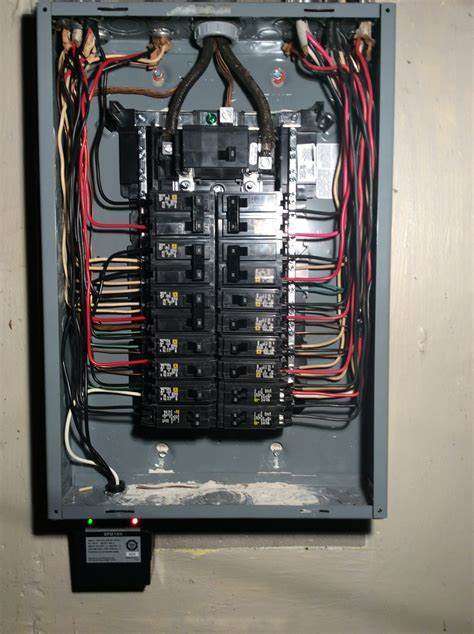
A home’s electrical system distributes power through the service equipment, panelboards, branch circuits, switches, receptacles, fixtures, and permanently connected equipment. These components work together, so a defect in one location can create symptoms elsewhere. A home inspection documents visible conditions and recommends further evaluation when the cause or repair is outside the inspection scope.
Breakers that trip repeatedly
A circuit breaker is designed to interrupt power when current exceeds safe limits or when certain faults are detected. One isolated trip may result from temporarily overloading a circuit. A breaker that trips again after the connected load is reduced can indicate an overloaded branch circuit, damaged appliance, loose connection, short circuit, ground fault, or defective breaker.
Repeatedly resetting a breaker without identifying the cause is not a repair. Note which lights, outlets, or appliances lose power and whether the trip occurs when a specific device starts. That information can help an electrician diagnose the problem efficiently.
Flickering, dimming, or unusually bright lights
Brief dimming when a large motor starts can occur in some homes, but frequent flickering or major brightness changes should be evaluated. Possible causes include a loose lamp, worn switch, poor connection, overloaded circuit, failing neutral connection, or a utility-side problem.
If several rooms are affected, lights alternate between unusually dim and bright, or the issue occurs with buzzing or heat, stop using affected equipment and contact a qualified electrician. A loose service or neutral connection can damage appliances and create a serious hazard.
Warm, discolored, loose, or sparking receptacles
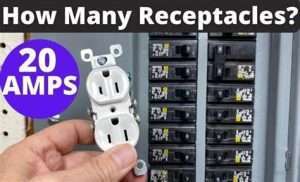
Outlets and switches should remain secure and should not show scorching, melting, cracking, or persistent warmth. These symptoms can develop from loose terminals, worn internal contacts, overloading, damaged wiring, or poor-quality prior work. A plug that falls out easily may not maintain a reliable connection and can generate heat.
A tiny static spark when plugging in certain equipment is different from repeated arcing, a flash inside the device, crackling, or burn marks. Stop using any damaged or overheating receptacle and have it evaluated. Do not hide evidence of heat damage with a new cover plate.
Dead outlets and switches
A dead receptacle may be caused by a tripped breaker, a tripped upstream GFCI device, a failed receptacle, a loose connection, or damage elsewhere on the circuit. GFCI receptacles may protect other outlets downstream, so one tripped device can affect multiple locations.
If normal reset steps do not restore power, or if the device will not reset, avoid disassembly. An electrician can test the circuit, confirm proper grounding and polarity, and determine whether the problem is limited to the device or involves concealed wiring.
GFCI and AFCI protection concerns
Ground-fault circuit-interrupter protection is commonly used where electricity and moisture may come together, such as kitchens, bathrooms, garages, exterior areas, laundry areas, and other required locations. Arc-fault protection is designed to detect certain arcing conditions in branch circuits. Requirements depend on the installation date, location, adopted code, and later alterations.
Test devices using their built-in buttons according to manufacturer guidance. A device that will not trip, reset, or hold should be evaluated. A home inspection identifies visible protection and accessible test results but does not certify every concealed connection or predict future performance.
Extension cords and overloaded power strips
Extension cords are intended for temporary use, not as permanent substitutes for fixed wiring. Cords routed through walls, doors, windows, ceilings, or under rugs can be damaged or overheat. Daisy-chained power strips and multi-plug adapters can also overload a receptacle or branch circuit.
High-demand appliances such as portable heaters, air conditioners, cooking equipment, and some shop tools should be connected only as their manufacturers direct. If a room lacks enough outlets for normal use, an electrician can evaluate whether additional permanent circuits or receptacles are appropriate.
Older wiring and panel concerns
Older homes may contain ungrounded wiring, cloth-insulated conductors, aluminum branch-circuit wiring, outdated service equipment, or modifications completed over many decades. Age alone does not establish that a system is unsafe, but certain materials and panel brands have recognized concerns and may affect repair, insurance, or renovation decisions.
A qualified electrician should evaluate suspected aluminum wiring, damaged insulation, corrosion, missing protective components, double-tapped terminals not designed for multiple conductors, or evidence of overheating. Electrical work should be based on the specific system—not a generic internet repair.
Electrical-panel access and labeling
The electrical panel should be readily accessible, with the working area kept clear. Covers and unused openings should be secured, and circuit directories should be legible and reasonably accurate. Storage, appliances, shelving, or finishes should not block access needed during an emergency or professional inspection.
Home inspectors visually review accessible service and distribution equipment when conditions permit. They may report corrosion, improper openings, loose equipment, damaged covers, questionable wiring, or other visible defects, but they do not perform invasive troubleshooting or repairs.
When to call an electrician immediately
- Smoke, flames, burning odors, or visible arcing
- Scorched panels, outlets, switches, or wiring
- Shock or tingling from equipment, plumbing, or metal surfaces
- Persistent buzzing, crackling, or overheating
- Water intrusion at electrical equipment
- Repeated breaker trips that continue after loads are disconnected
- Sudden widespread dimming or unusually bright lights
If active fire or an immediate life-safety threat exists, leave the area and contact emergency services. Do not touch equipment or use water on energized electrical components.
What a home inspection can document
A standard home inspection is a visual evaluation of readily accessible systems and components. It can identify many visible warning signs, explain their significance, and recommend an electrician when specialized testing or repair is appropriate. It is not a code-compliance inspection and cannot reveal every concealed defect.
For buyers and homeowners across South Florida, the goal is practical: understand the visible condition of the system, avoid unsafe assumptions, and obtain qualified follow-up before small symptoms become larger problems.
Need a clearer picture of the home?
GGR Home Inspections provides thorough, photo-documented inspections with straightforward explanations across Miami-Dade, Broward, Palm Beach, and St. Lucie counties.